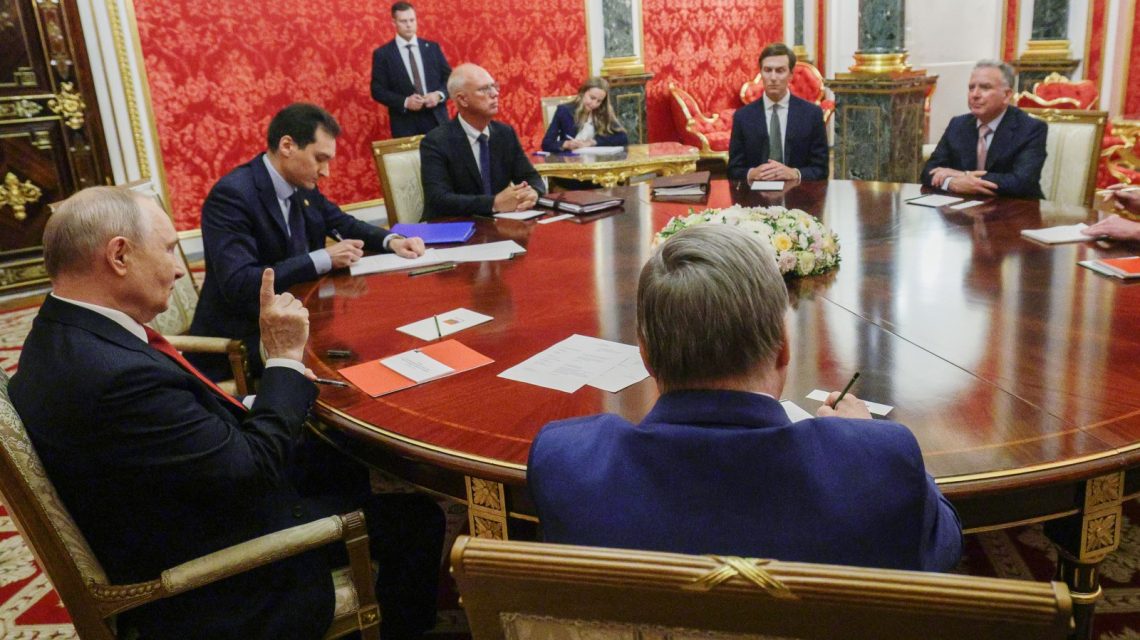
Russia has dedicated over four years to adapting to a status of self-reliance amidst its ongoing conflict with Ukraine. The United States aims to influence Russian President Vladimir Putin’s perspective on thriving independently. Despite the severe situation in Ukraine, where Russian forces aggressively occupy Ukrainian territories with drones targeting civilian areas, the Trump administration adopts both punitive and enticing measures towards Moscow. This strategy involves stricter sanctions alongside welcoming Russian officials to discuss potential energy deals and economic collaboration, contingent upon a ceasefire.
This is a gamble with uncertain outcomes, particularly distressing for Ukrainian President Volodymyr Zelensky. America recognizes Russia’s ability to endure isolation and hopes to entice interest in new possibilities by showcasing benefits of cooperation.
Mixed Diplomatic Efforts
Russian envoy Kirill Dmitriev engaged in discussions in Washington about the potential cessation of hostilities, along with envisioning future U.S.-Russia relations. Dmitriev, guiding Russia’s sovereign wealth fund, met officials from U.S. Treasury and Energy departments, discussing peace prospects and potential energy partnerships post-agreement in Ukraine.
Earlier in September, individuals close to President Trump, including Steve Witkoff and Jared Kushner, engaged in dialogues with Putin in Moscow, offering warm exchanges and future recollections centered around collaboration. Such gestures, however, rouse dissatisfaction in Kyiv due to the devastation claimed by Russia’s aggression, causing immense loss and economic burdens, necessitating extensive reconstruction efforts.
From Ukraine’s viewpoint, actions favoring Russia appear as unjust concessions, especially following EU’s decisions, perceived as detrimental according to Zelensky. Nevertheless, positive gestures towards Russia shouldn’t overshadow the stringent sanctions and no imminent recalibration of the diplomatic landscape.
Persistent Global Pressure
Treasury Secretary Scott Bessent emphasized the non-negotiable stance against initiating mutual interest dialogs until the conflict ends entirely. This reflects the broader U.S. commitment to tighten restrictions further. Recently, President Trump expanded sanctions targeting Russian officials and entities, halting new investments in Russia, particularly within the energy sector, alongside imposing high tariffs on nations supporting Russian oil trades.
Simultaneously, NATO allies have extensively contributed military aid to Ukraine, ensuring uninterrupted support. The United Kingdom has amplified sanctions targeting specific Russian vessels and networks, with EU maintaining extended asset freezes against numerous individuals and entities.
Despite Russia’s economic resilience against sanctions, increasing pressure continues to affect financial forecasts. Russia foresees a larger budget deficit than initially predicted, reduced oil-and-gas revenue expectations, and stagnant GDP growth rates. Inflation remains concerning, showing noticeable impacts from sanctions and logistical barriers.
Strategic Economic Adjustments
The Russian government projects significant expenditure on national defense, aligning with intentions to fortify its war capabilities despite economic sanctions. This shift towards a militarized economy further strengthens Kyiv’s perspective that uncompromising pressures are necessary, pushing for enhanced sanctions and actions disrupting Russia’s economic endeavors supporting its military initiatives.
American strategic support persists through substantial military aid, yet remains restricted to material assistance, avoiding direct military engagement due to potential conflict escalation risks. Continuous pressure supports Ukraine’s defense strategies, urging Western allies to uphold firm actions against Russian aggression.
While Moscow strengthens ties with alternative markets, maintaining considerable trade levels with countries like China and India, these cannot fully substitute prior Western access regarding capital and technological engagements. Thus, discussions about postwar collaborations present an incentive for reconsidering Russia’s isolation, potentially altering its strategic considerations amidst growing internal economic pressures.
 U.S. Ambassador Criticizes South African Government
 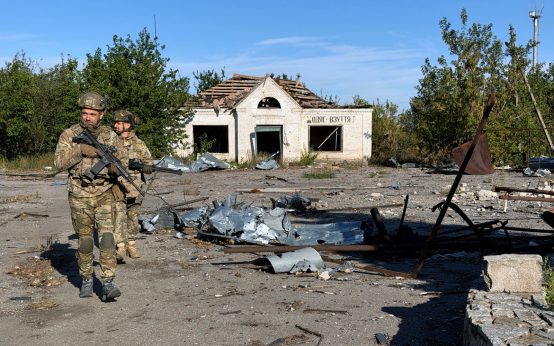 Ukraine Faces Critical Months Amid Counteroffensive Developments
  Controversy Surrounds Performances at Gillette Stadium
 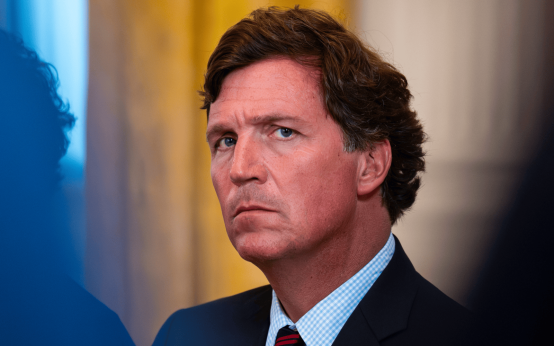 Tucker Carlson’s Remarks on Britain and WWII Spark Backlash
  Police Divers Uncover Ancient Roman Artifacts in Sardinia Waters
  Conservative Activist Urges AI Safety Measures