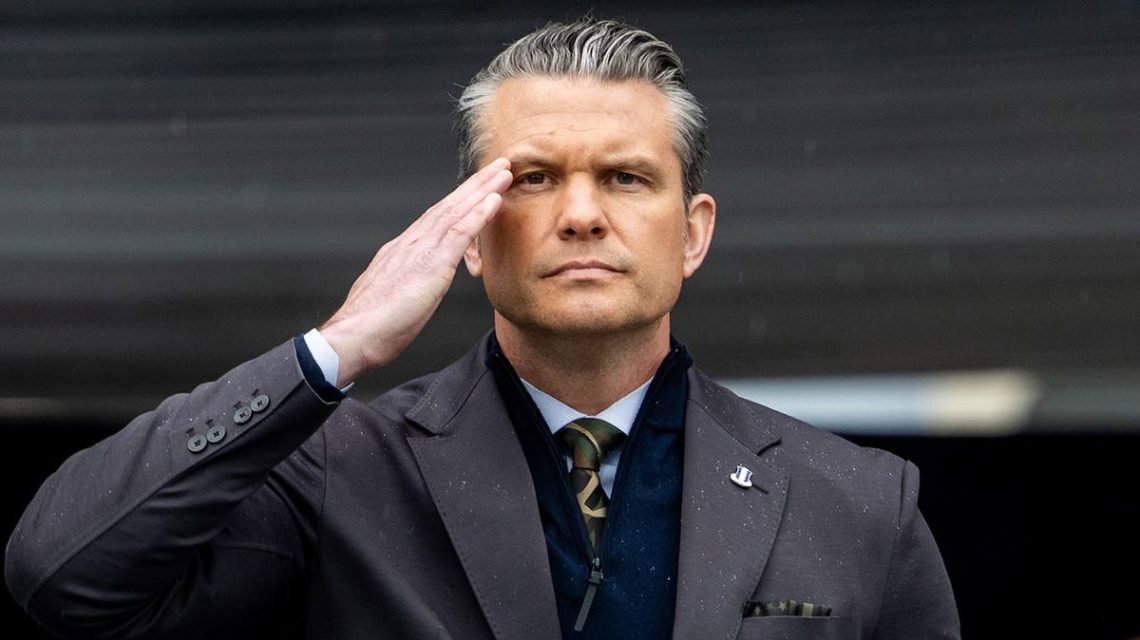
On a rainy Saturday morning, cadets at the United States Military Academy marched into Michie Stadium, joining the prestigious Long Gray Line. This event brought back memories of my own graduation in 1973 at West Point. I tuned in partly to prepare for a television interview but soon realized the deeper significance of Secretary of War Pete Hegseth’s address.
Pete Hegseth’s speech at the 2026 commencement ceremony was noteworthy for its honesty about God, duty, and sacrifice. Hegseth, an intern at the Family Research Council where I served as vice president, had impressed with his discipline and Christian faith. Over the years, he became a recognized figure on Fox News and served in Iraq and Afghanistan with the Army National Guard, advocating for veterans.
Unlike typical sanitized speeches, Hegseth offered cadets a candid perspective on their chosen paths. He quoted Isaiah 6:8: “Whom shall I send, and who will go for us? … Here am I! Send me.” The verse was apt for these future Army officers, some of whom may lead in combat soon, facing potential perils.
Founded by Thomas Jefferson in 1802, West Point’s mission has always been to develop leaders capable of defending the nation. Its motto, “Duty, Honor, Country,” embodies a commitment to service. During my own graduation, the Army was navigating a tough transition post-Vietnam War. Today’s cadets face a similarly complex world with ongoing conflicts in Ukraine, pressures from China on Taiwan, and evolving cyber and AI threats.
Hegseth’s address also critiqued the military’s recent focus on diversity and inclusion, emphasizing a return to merit and reaffirming readiness. He reminded graduates that the military’s purpose is to fight and win wars, a principle that needs reiteration in today’s context.
Combat demands moral clarity and the courage to make decisions with incomplete information. Hegseth’s speech resonated with this truth, highlighting the importance of character and morality in leadership. Leaders must be anchored by values beyond self-interest.
Personal moments in Hegseth’s speech, where he expressed pride in potentially seeing his son serve, touched on the continuity of West Point’s legacy. That legacy endures through every graduating class, each joining a chain that stretches back centuries. West Point’s Corps of Cadets sang “The Corps,” a tradition since 1911, symbolizing this enduring lineage.
As technology reshapes warfare, the moral judgment of leaders becomes critical. America requires leaders not just technically skilled but also morally grounded, ready to answer the ancient call: Here am I, Lord. Send me.
 Iowa Senate Election: Turek Leads in Polls Amid Economic Concerns
  Kamala Harris Joins Abdul El-Sayed in Michigan Senate Campaign
  Public Confidence in the Supreme Court at Record Lows
  Federal Authorities Arrest California Lawmaker’s Aide for Visa Overstay
 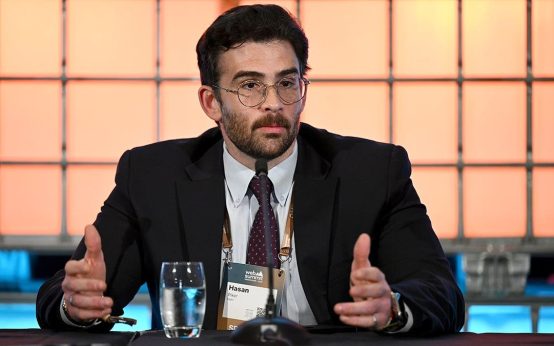 Hasan Piker Addresses Controversial Comments and Political Involvement
  Lukashenko and Putin Share Light Moments While Strengthening Ties