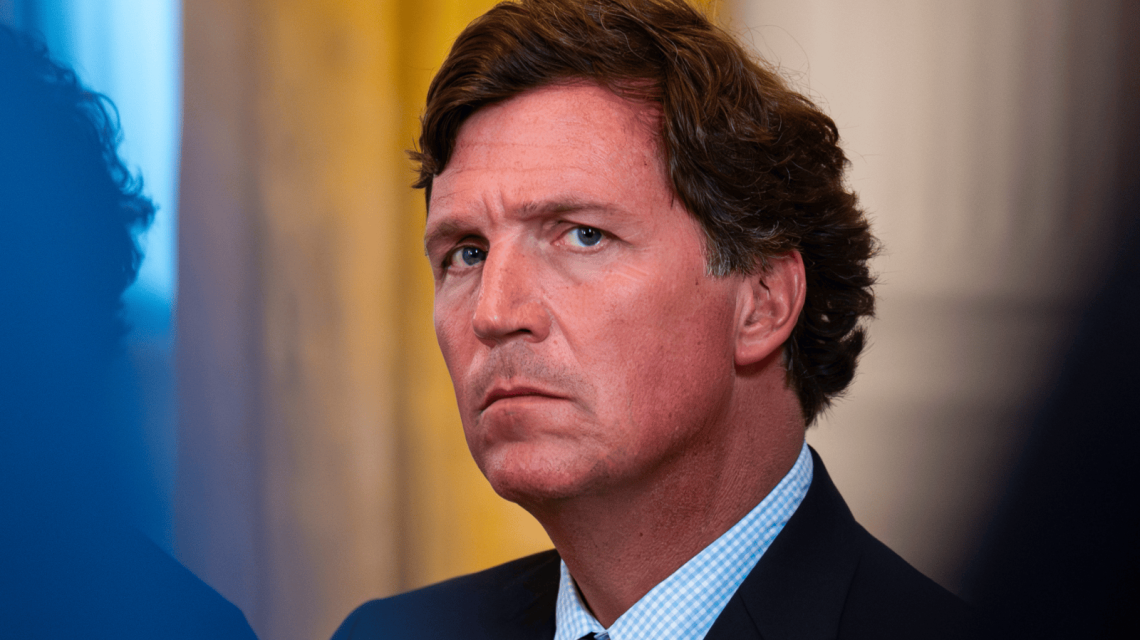
Tucker Carlson faced criticism after he questioned Britain’s decision to fight Nazi Germany during a recent interview. Speaking with former British lawmaker Sir Jacob Rees-Mogg, Carlson explored the topic against the backdrop of potential conflict with Russia. His remarks, shared on Carlson’s social media account, shifted from contemporary security threats to Britain’s role in World War II.
Carlson’s Perspective
Carlson clarified that he did not defend Hitler but challenged Britain’s entry into the war. He cited the Treaty of Versailles and discussed German expansionism, questioning the necessity of the conflict. Rees-Mogg responded by framing the war as a battle between good and evil, emphasizing the importance of defeating Nazism.
Carlson disagreed, suggesting the war undermined Britain’s imperial power without clear benefits to its citizens. Rees-Mogg insisted Britain retained its dignity by confronting what he described as the worst evil in history.
Reactions from Conservatives
Prominent conservative figures expressed their disapproval. U.S. Ambassador Mike Huckabee criticized Carlson, suggesting he implied a preferable Nazi takeover. Former British member of the European Parliament Lance Forman and Texas Senator Ted Cruz also opposed Carlson’s view.
Christopher Snowdon, a British commentator, highlighted a contradiction in Carlson’s stance on national sovereignty. Meghan McCain humorously suggested that the conversation warranted a parody.
Non-Interventionist Views
Carlson argued that war should provide tangible benefits to a nation before sacrificing lives. Rees-Mogg emphasized that defeating dictatorships on expansionist paths justified such actions. Their exchange underlined differing views on the role of military intervention.
Additional Topics Discussed
The interview covered Britain’s support for Ukraine and military preparedness with respect to Russia. Rees-Mogg argued that preparedness deterred aggression. Discussions also included the atomic bombings of Hiroshima and Nagasaki, NATO, immigration, and free speech.
Rees-Mogg and Carlson identified some common ground on free speech issues, critiquing Britain for attacking freedom of expression, even for pro-Russian views.
 Trump Pressures Lawmakers to Support Permanent Daylight Saving Time
  President Trump Advances New White House Ballroom Construction
  The Role of JD Vance in Engaging the Working Class
  Trump’s Capital Punishment Expansion While Criticism Grows
  White House Announces Medicare Fund for One-Time Payments
  Supreme Court Permits Trump Administration’s Third-Country Deportation Strategy