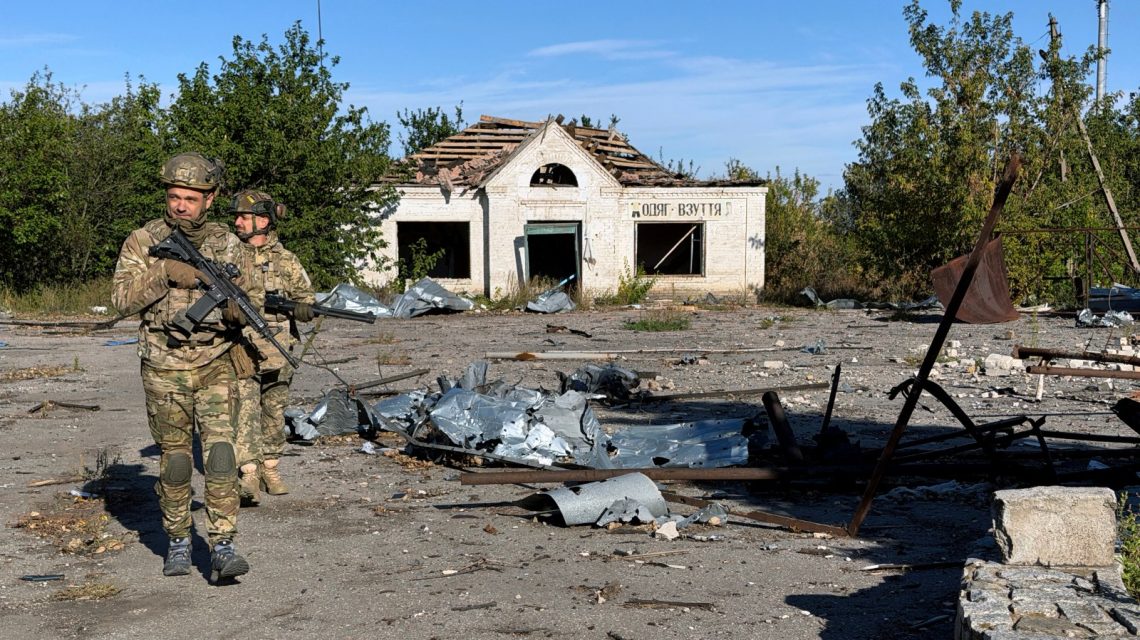
Territorial Gains and Winter Concerns
Kyiv’s progress in the Donetsk oblast signals a pivotal period as temperatures fall, and fears arise over Vladimir Putin intensifying long-range attacks before the harshest winter of the conflict. Ukraine’s Third Army Corps reported achievements with bomber drones and remote-controlled technology during “Operation Vivaldi,” preventing Russian forces from encircling strategic areas vital to defending the Donbas region. Putin faces a strategic dilemma after losing 46,000 troops last month without gaining territory, as reported by Kyiv, raising concerns of potential strikes on Ukraine’s energy infrastructure to force submission by freezing conditions.
German Chancellor Friedrich Merz’s visit to Kyiv underscores the urgency of the situation, highlighting “decisive weeks” following Russia’s extensive bombardment, which included attacks on Dnipro River bridges. Giorgi Revishvili from “Russia Analyzed” informed Newsweek about the challenging autumn and winter ahead for Ukrainian forces, warning that adverse weather may hinder Kyiv’s strike capabilities. Despite Russian losses, Putin’s objectives to capture the entire Donbas and advance remain unchanged. Newsweek sought comment from the Russian defense ministry on these developments.
Ukraine’s Innovative Use of Robots in Operation Vivaldi
President Volodymyr Zelensky announced the fourth phase of Operation Vivaldi in the Lyman area of Donetsk, aimed at thwarting Russia’s full control over Donbas. While the operation has been ongoing since summer, details emerged recently. Brigadier-General Andrii Biletskyi disclosed that Ukraine regained 68 square miles of territory, aided by Zelensky’s strategy of deploying ground robotic systems instead of soldiers where possible. A notable achievement was the use of attack robots in Russian rear areas and a robotic amphibious platform transporting supplies across extensive mixed terrain.
Operation Vivaldi enhanced Ukraine’s position north of Lyman, blocking Russian efforts to sever key highways crucial for logistics. This action reduced the risk of encircling the Sloviansk-Kramatorsk region from the north, according to Revishvili, who remarked on the operational security maintained during these months. He expressed interest in observing the final phase and the potential consolidation and expansion of gains by Ukrainian forces.
Winter Challenges for Ukraine
Recently, Russia launched a major drone and missile assault, primarily targeting energy infrastructure in Kyiv and surrounds, using high-speed drones that challenge Ukrainian air defenses. Prime Minister Serhiy Koretskyi noted this as the largest combined strike package since April’s heating season’s end, affecting critical locales like a school and the Southern Bridge. Channel eRadar on Telegram predicts increased strikes on electricity generation and transmission facilities.
Economy Minister Oleksandr Kravchenko warned of potentially the harshest winter invasion since February 2022. Russian attacks on Kyiv’s bridges have occurred six times since October 1, disrupting transit across the Dnipro River. Yuriy Boyechko, CEO of Hope for Ukraine, told Newsweek that targeting these bridges risks splitting Kyiv into isolated sections, escalating local power struggles into humanitarian crises. Essential supplies like food and repair equipment rely on these crossings to reach densely populated areas, making any disruption particularly severe.
Revishvili articulated Putin’s strategy as wagering on increased attacks on infrastructure and residential zones during winter to create a critical societal breaking point.
Ukraine’s Battlefield Challenges
Despite claims from Vladimir Putin at the Valdai Forum, the Institute for the Study of War (ISW) reports net territorial loss for Russian forces last month, labeling Putin’s claims “fictional battlefield reality.” Revishvili acknowledged Ukraine’s autumn challenge of increased Russian military equipment utilization. Over the coming months, reduced visibility and adverse weather could impair Ukraine’s strike abilities, potentially providing Russia with chances to penetrate positions and employ heavier equipment. Revishvili emphasized the need to observe developments over the next two months.
For comments, contact Newsweek editors Tobias Meyjes and Cristina Diciu.
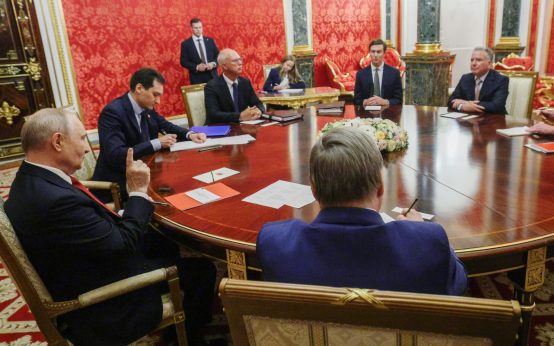 Russia’s Resilience and Western Strategies Amid Conflict
  U.S. Ambassador Criticizes South African Government
  Controversy Surrounds Performances at Gillette Stadium
  Tucker Carlson’s Remarks on Britain and WWII Spark Backlash
 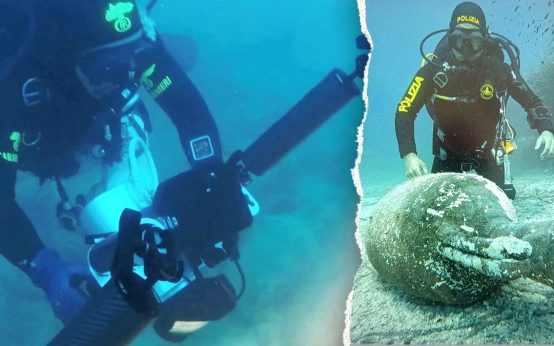 Police Divers Uncover Ancient Roman Artifacts in Sardinia Waters
  Conservative Activist Urges AI Safety Measures