
The Trump administration is set to relax regulations on methane emissions from the oil and gas industry, targeting especially low-producing, high-emitting wells. This move will be announced by President Trump at a Texas rally, according to an administration source.
The proposed changes focus on “marginal wells,” which produce a lesser volume of oil or gas but emit about half of the nation’s methane. These wells contribute roughly 7% to the nation’s oil and gas production. Methane, a potent greenhouse gas, is approximately 28 times more effective than carbon dioxide at trapping heat, accounting for about a quarter of global warming. Major sources include fossil fuel activities, agriculture, and landfills. Natural gas consists mainly of methane.
Beyond marginal wells, the proposal seeks to ease Biden-era regulations on the broader oil sector, such as reducing flaring, the burning off of excess gas. These details were initially reported by Bloomberg and confirmed by an administration official.
Natural gas is primarily made up of methane.
In other energy and environment news, a group of Democratic senators is skeptical about the Trump administration’s handling of renewable energy under a bipartisan permitting reform. They’re urging the restoration of climate funding that was cut for blue states. Additionally, a federal judge has prolonged a ban on cutting trees at East Potomac Park, where President Trump envisions a future golf course.
Rep. Jamie Raskin warned oil companies of consequences if they import Russian diesel, following President Trump’s diesel agreement with Moscow. Meanwhile, there are expectations that high gas prices will affect Republican voters in upcoming elections.
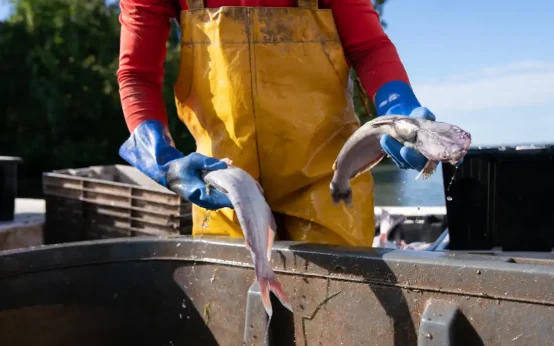 Schoolchildren Take on Invasive Blue Catfish in Chesapeake Bay
 Caring for Virginia’s Waterways: A Responsibility Beyond Resources
 Plastic Particles in the Human Body: A Growing Concern
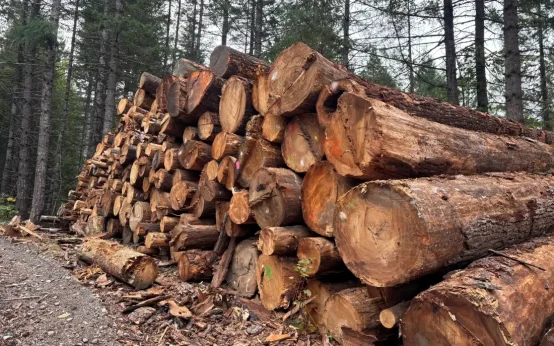 Timber Industry and National Forest Policies: Challenges and Debates
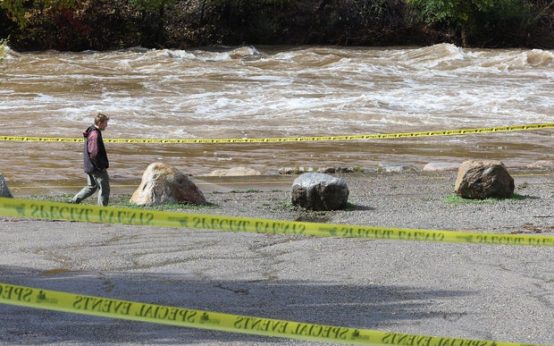 Southwest U.S. Faces Heavy Rains and Flooding Threats
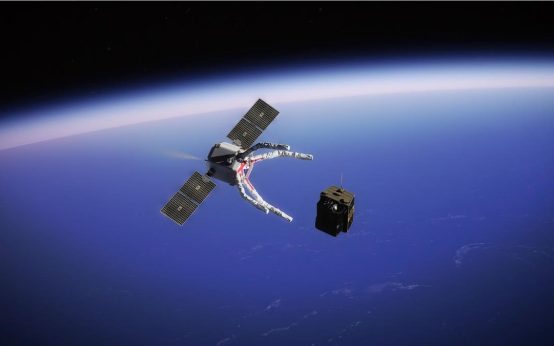 Pentagon Confirms Deployment of US Space Weapons as UK Develops Space Cleanup Technology