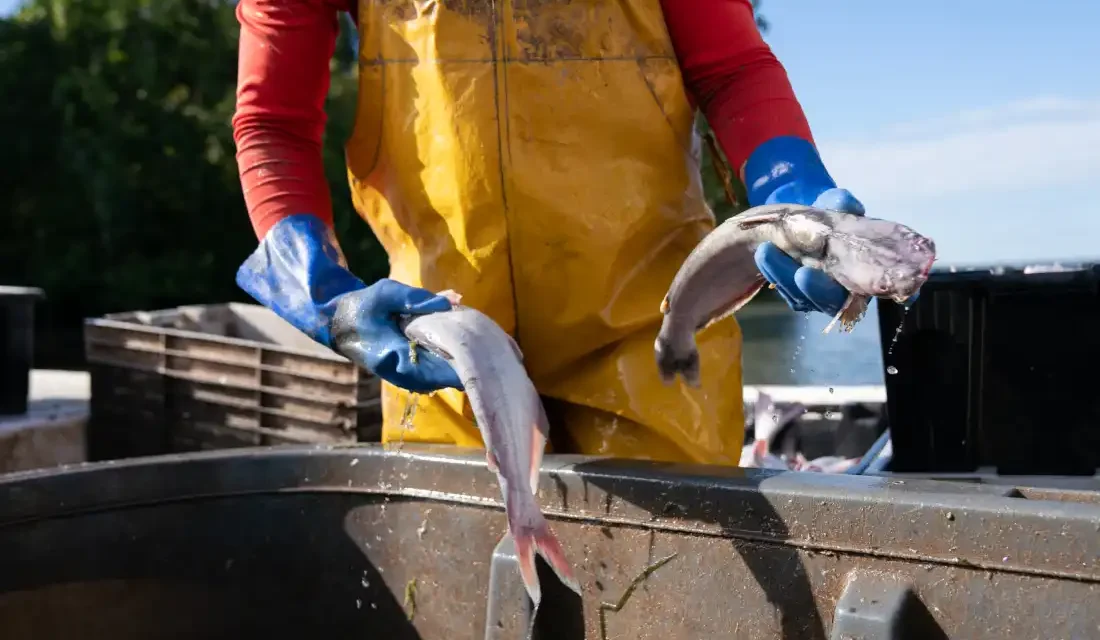
In the Chesapeake Bay and its tributaries, the invasive blue catfish poses a serious threat by preying on local species such as blue crabs. Schools like Preston Elementary on Maryland’s Eastern Shore are helping control the population by including catfish in student lunches.
During lunchtime at Preston Elementary, students enjoy catfish sandwiches, known as “catty patties.” Ben Rochon, a second-grader, expresses his excitement, stating, “I got a catfish sandwich! It’s yummy.” While some kids add ketchup or mayo, others prefer it plain. Fifth-grader Teagan Donovan says, “I like it by itself with no toppings,” and even skips the bun.
Pizza Fridays provide competition, but more students are trying catfish dishes thanks to a few monthly servings. Beth Brewster, who manages food services in Caroline County Public Schools, supports this change, emphasizing the benefits of blue catfish: tasty, nutritious, and also an effective way to tackle the invasive species problem.
Beth Brewster remarks, “It tastes so good because it eats everything we love — crabs and rockfish.”
Eight years earlier, State officials encouraged Brewster to address the invasive fish issue. Karen Fedor, from the Maryland Department of Agriculture, recognized Brewster’s creativity in creating a kid-friendly dish that complies with dietary standards. This led to the development of the “catty patty,” crafted from blue catfish similar to a crabcake. Initially slowed by the pandemic, the initiative gained momentum through a partnership with Bay2Tray, linking schools to seafood resources. Now, school districts in Maryland and Virginia offer blue catfish in their lunch programs.
Blue catfish, originally from the Midwest, was introduced to Virginia rivers in the 1970s for recreational fishing. It has adapted to Chesapeake’s brackish waters, spreading rapidly. Branson Williams from the Maryland Department of Natural Resources explains how rainfall facilitated the fish’s movement into new habitats in 2018. Now flourishing in Maryland’s tidal tributaries and the Chesapeake Bay, blue catfish can constitute up to 70% of fish biomass in some areas, impacting traditional fisheries.
Williams notes, “They’re a freshwater fish; they should stay in freshwater portions, but they can handle some salinity.”
Virginia also raises concerns about the prevalence of blue catfish, which threaten key species like menhaden and young crabs. Various states, including Maryland, are tapping into human consumption to control invasive species; similar efforts target Asian carp and green crabs elsewhere.
Rocky Rice, a Maryland waterman, exemplifies this shift. Initially fishing for catfish during the off-season, it now forms the core of his business. Although its market price is lower than other seafood, the demand and quantity secure his operations.
Processing plays a pivotal role. Catfish requires USDA inspection, limiting processing facilities and complicating distribution. Yet, four processors in Maryland continue to supply fish to markets, schools, and food banks.
Jenn Lovewell of Real Good Fish, managing the Bay2Tray program, emphasizes the ongoing need to harvest millions of pounds of blue catfish to maintain current levels. “Eat the problem and save the bay,” she advocates, proposing a sustainable solution to the invasive fish issue.
 Efforts to Protect Youth Voting Rights Amid Challenges
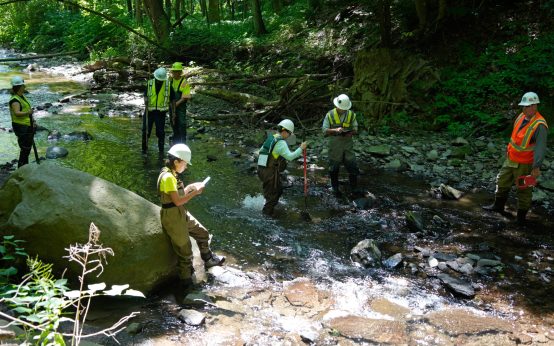 Investigation into EPA’s Response to East Palestine Train Derailment
 Texas Data-Center Boom Risks Air Pollution Progress
 Trump Administration Proposes Relaxation of Methane Emission Regulations for Oil and Gas
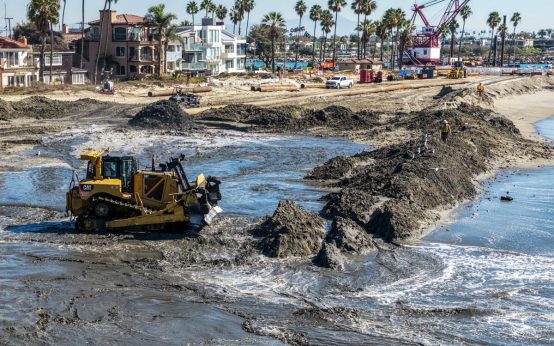 Exploring the UC System’s Influence on California
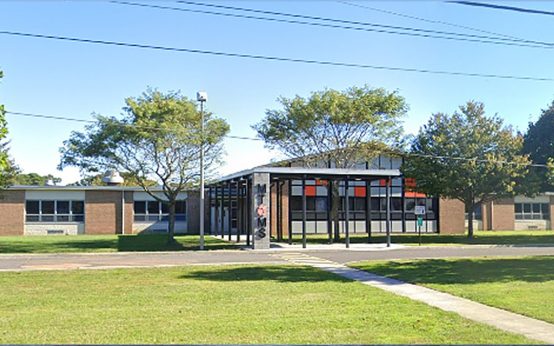 New Jersey Teacher Arrested in Prostitution-Related Scheme