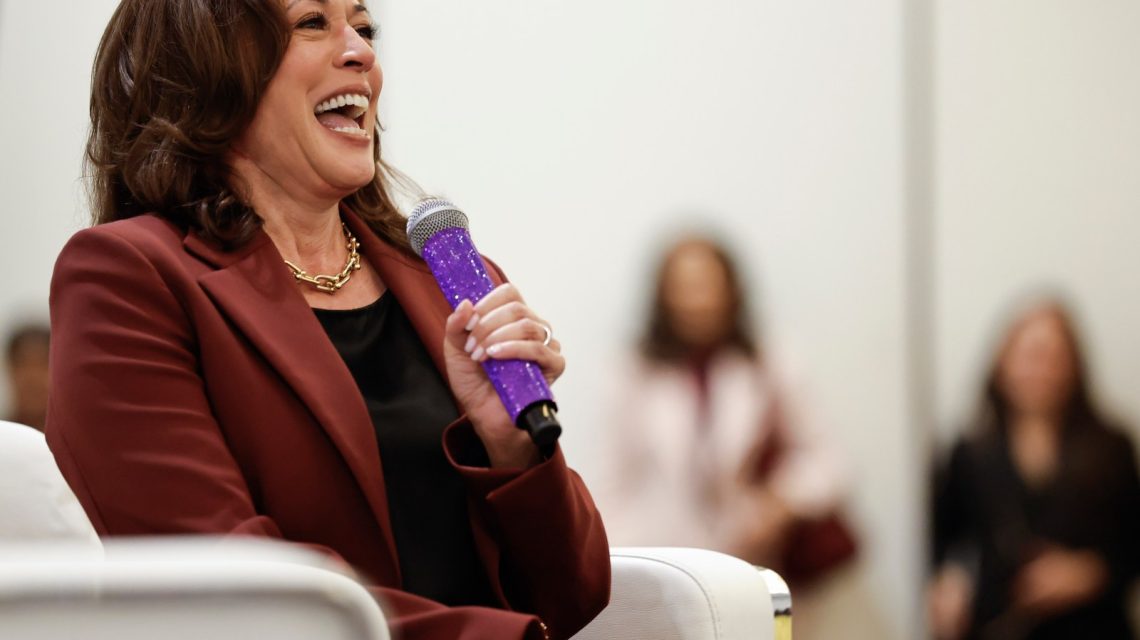
As the midterm elections approach, speculation intensifies about potential contenders for the 2028 presidential race. Polling suggests prominent figures such as Vice President JD Vance and former Vice President Kamala Harris might be frontrunners. The post-midterm period often clarifies the presidential candidate landscape as hopefuls start preparing their campaigns.
Both Harris and Vance have faced questions about their presidential aspirations, as have Democratic Congresswoman Alexandria Ocasio-Cortez and California Governor Gavin Newsom. Even Donald Trump has expressed his views on potential successors to his MAGA movement. Harris was defeated by Trump in her 2024 presidential campaign.
What Do the Polls Show?
A YouGov/Economist poll released recently shows Harris slightly more favorable than Vance. Harris has a 43 percent favorability rating and a 54 percent unfavorable rating. Vance’s ratings are 41 percent favorable and 53 percent unfavorable. The survey included 1,440 registered U.S. voters from October 23-26, 2026, with a 3 percent margin of error.
According to Craig Agranoff, a political professor at Florida Atlantic University, discussions about the 2028 race will intensify after midterm results are clear. He emphasized that early polls are driven by name recognition and are not accurate forecasts. Campaigns, debates, and primaries will significantly influence the 2028 race. Midterm outcomes will be more impactful than early polls.
A Harvard CAPS/Harris Poll conducted last month found Harris with a 43 percent favorability and a 46 percent unfavorable rating, while Vance had 41 percent favorability and a 44 percent unfavorable rating. It surveyed 2,200 registered voters from September 26-28, 2026, with a margin of error of 2.1 percent.
A Marquette Law School poll earlier this year reported Harris with 37 percent favorability and 58 percent unfavorability, with 5 percent unfamiliar with her. Vance had a 39 percent favorability and 54 percent unfavorable score, with 8 percent unfamiliar. The poll surveyed 1,001 adults nationwide from May 20-26, 2026, with a 3.4 percent margin of error.
Professor Grant Davis Reeher of Syracuse University stated it remains too early for firm conclusions. He mentioned that even significant midterm wins might not secure future candidacies. Reeher suggested Harris may not remain a top Democratic contender without broader party support.
Additional analyses from YouGov reflect Harris’s popularity at 49 percent, with 32 percent disliking her and 16 percent neutral. Vance’s popularity stands at 38 percent, with 45 percent disliking him and 12 percent neutral. YouGov calculates scores based on perceptions from those familiar with the candidates.
The New York Times/Siena Research Institute poll recently highlighted Harris and Vance leading their respective parties in potential 2028 primaries. Vance led with 33 percent over Marco Rubio’s 23 percent and 8 percent for Trump. Harris garnered 12 percent, with Newsom at 9 percent, Pete Buttigieg at 7 percent, and Alexandria Ocasio-Cortez at 6 percent.
This survey polled 850 voters regarding the Republican primary and 1,170 voters regarding the Democratic primary from October 12-19, 2026, with a margin of error of 1.9 percent.
Statements from Harris and Vance on 2028
Vance has expressed reservations about confirming a 2028 presidential bid, citing his focus on his current role. He indicated that a decision would follow the midterms. In discussions with Megyn Kelly and CBS News, Vance mentioned potential support from the president but reiterated no detailed discussions have occurred.
Regarding speculation around a Vance-Rubio ticket, Vance dismissed such a notion, considering it premature and likely unfavorable to public perception.
Harris, when approached about her plans for 2028, mentioned her ongoing contemplation of the role’s impact. She expressed her intentions to consider the best interests of the American people. In an interview with CNN, she shared thoughts on the importance of leaders focused on public interest over personal ambition and acknowledged various influencing factors on her decision.
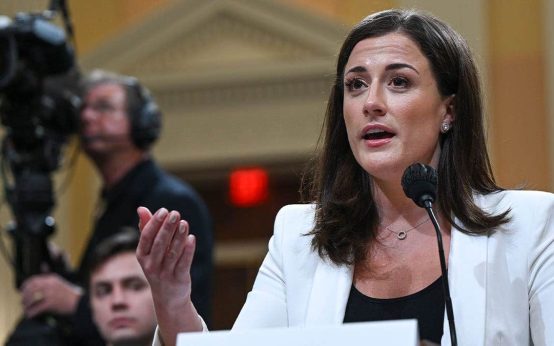 Federal Grand Jury Declines to Indict Cassidy Hutchinson
 Pentagon Selects Poland for Missile Maintenance Facility
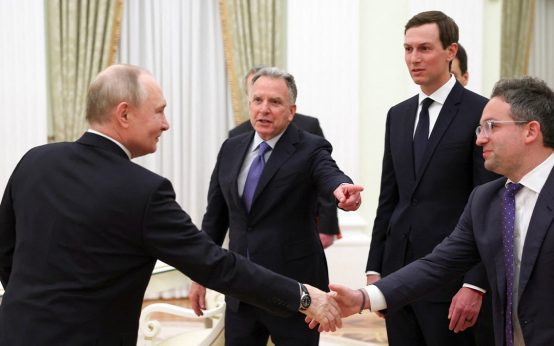 Controversy Surrounds Russian Diesel Tankers Headed to U.S.
 Candidate Distances Themselves from Controversial Ad
 Trump Administration’s Influence Over Election Integrity
 Kennedy’s Campaign Efforts and Health Policy Developments