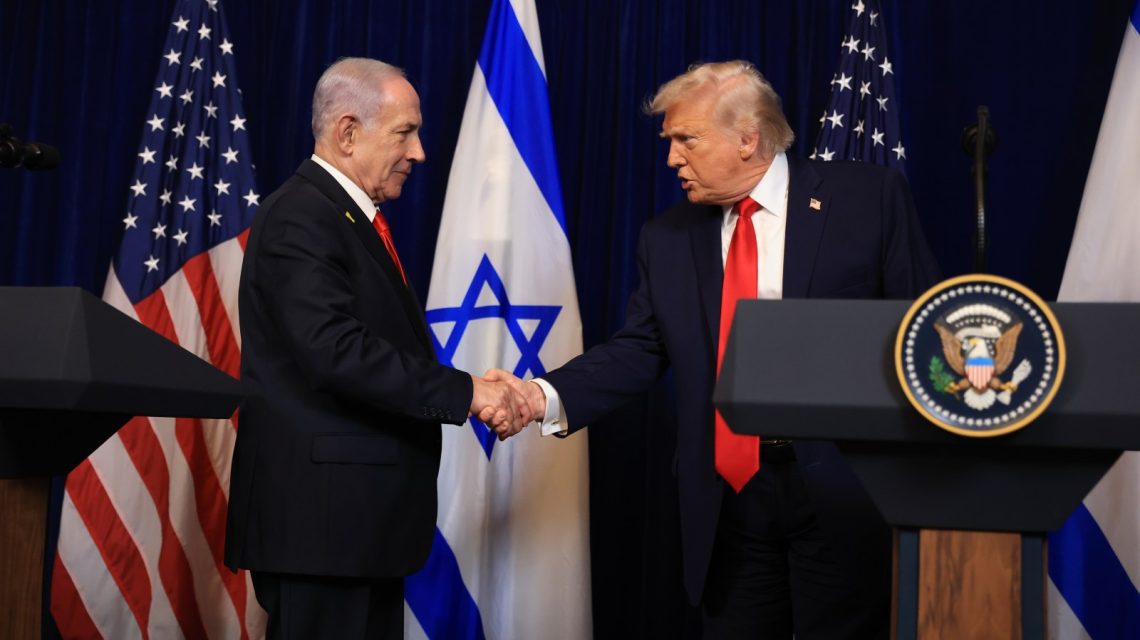
Donald Trump has given his endorsement to Israeli Prime Minister Benjamin Netanyahu just a week before a pivotal election. This move raises questions about the direction Israel will take politically, whether it will continue on a path toward an elected autocracy or maintain its status as a liberal democracy. Despite his endorsement, Israeli voters should remain focused on their own political landscape and consider the potential ramifications should Trump not accept a change in leadership.
On Sunday, Trump praised Netanyahu, calling him a great wartime leader and valuable ally against Iran. He noted that without Netanyahu, the United States might have to face Iran alone. Such comments from a former American president about the internal politics of an allied nation are unusual.
Israel’s appreciation for Trump stems from key actions he took while in office, such as recognizing Jerusalem as Israel’s capital and Israeli sovereignty over the Golan Heights, spearheading the Abraham Accords, and his stance against Iran. However, supporting Israel does not necessarily mean supporting Netanyahu, and these two aspects can sometimes be at odds.
Nobody should be surprised by Trump’s endorsement of Netanyahu. Trump has a pattern of backing right-wing populists globally.
Examples include his administration’s support for Poland’s nationalist candidate, Karol Nawrocki, and his backing of Hungary’s Viktor Orbán. Trump’s admiration for strong leaders is known. He supports those who claim to represent their nation authentically while disregarding political opponents and institutional constraints.
Netanyahu has increasingly aligned with this style, with his coalition challenging judicial independence and concentrating power. This reflects a populist agenda that undermines the true essence of democracy.
Beyond democratic norms, Netanyahu’s tenure is marked by national and strategic failures. The most notable was on October 7, 2023, the worst security lapse in Israel’s history. His government failed to anticipate the threat from Hamas, leaving citizens unprotected. Despite the need, Netanyahu resists independent investigations to assign accountability.
His approach to wars against Hamas, Hezbollah, and Iran is celebrated by some, yet these military efforts have not achieved lasting regional stability and have damaged Israel’s international reputation.
Netanyahu’s political coalition includes parties with demands that risk internal stability. Ultra-Orthodox parties, for instance, require preserving military exemptions for their members, despite it burdening the larger population. Their educational system lacks essential subjects, leading to low workforce participation. As their population grows, this puts Israel’s economy and security at risk.
The far-right aspect of Netanyahu’s coalition also poses challenges. Figures like Itamar Ben-Gvir and Bezalel Smotrich push for settlement expansion, escalating tension in the West Bank. Their actions have drawn international criticism and resulted in fatalities among Palestinian civilians, which could invite economic sanctions from Europe.
Recent polls indicate Netanyahu may lose his parliamentary majority. The diverse parties seeking his ouster could unite with Israeli-Arab parties to form a majority, though this would require significant political compromise.
If unable to form a coalition, the situation could turn even more complex. Trump might further intervene, urging opposition leaders like Gadi Eisenkot and Naftali Bennett to join Netanyahu to preserve the U.S.-Israel relationship, especially against Iran, or to maintain U.S. support.
The allure of Saudi Arabian normalization might serve as a bargaining chip. Trump might propose a historic deal with Riyadh in exchange for cooperation with Netanyahu, though any such deal would need serious commitment from Saudi Arabia and not empty promises.
This scenario, while low probability, is not implausible given Trump’s aspirations for recognition as a peacemaker. If Trump can influence Netanyahu to broker peace with Saudi Arabia and accommodate Palestinian concerns, it could radically alter the political landscape.
Alternatively, Trump and Netanyahu might opt to revive conflict with Iran, using the resultant chaos to influence election outcomes. In either situation, Eisenkot and Bennett would be confronted with a critical decision: whether to facilitate a diplomatic breakthrough or focus on their agenda to replace Netanyahu’s leadership.
Ultimately, Israelis must distinguish gratitude for Trump’s past support from following his guidance in their elections. Israel’s political future rest in the hands of its electorate, and those desiring change must have the fortitude to achieve it without succumbing to external pressures.
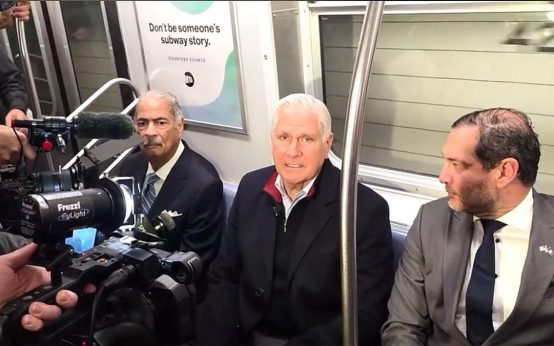 Bruce Blakeman Criticizes Governor Hochul on Public Safety
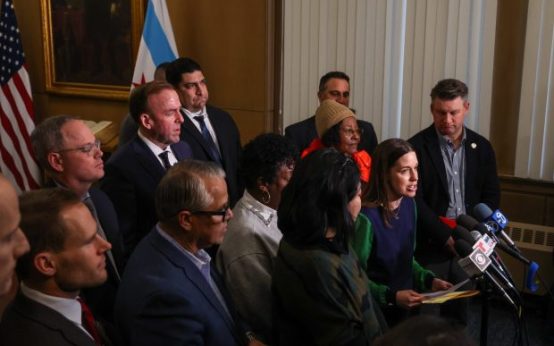 Mayor Johnson’s Fiscal Strategy: Tax Proposals and Budget Planning
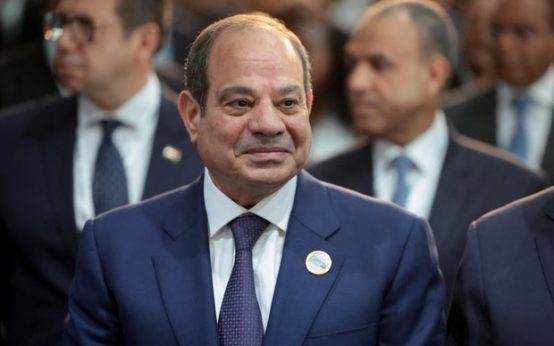 Egyptian Parliament Weighs Authorization for Military Support to Saudi Arabia
 Controversy Surrounds CBS News Editor’s Investigation into Senate Candidate
 Trump Administration’s Approach to H-1B Visa Abuse and Instacart’s Settlement
 Report Criticizes Fairfax County for Ignoring ICE Detainers and Accused Prosecutor of Preferential Treatment