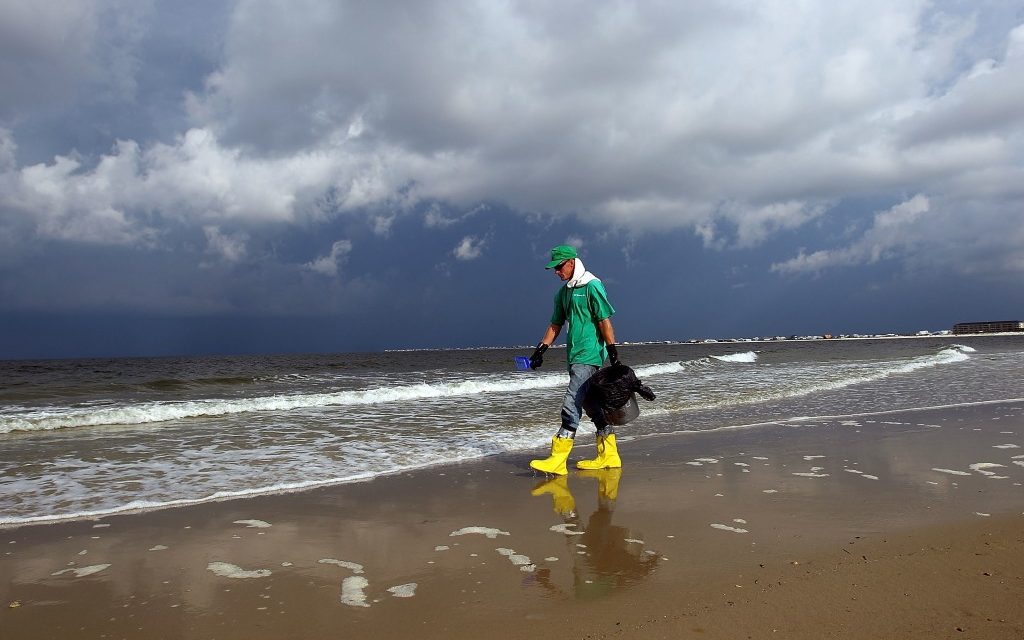
A recent study reveals a significant reduction in marine animal populations in the Gulf of Mexico following the 2010 Deepwater Horizon spill. The affected area, lying between the ocean’s surface and depths devoid of light, saw a 63.5% drop in fish populations from 2011 to 2015. Crustaceans, crucial to the diet of many marine predators, decreased by 62%, while squids and octopuses declined by 59.7%. This data, garnered from research published in the Proceedings of the National Academy of Sciences (PNAS), indicates that these populations have not substantially recovered.
Study of the Gulf’s “Twilight Zone”
Researchers concentrated on the Gulf’s “twilight zone,” an immense marine region above the seafloor where surface-feeding creatures like dolphins and whales hunt. Before the spill, this zone had not been extensively studied. Tracey Sutton, the study’s lead author and a biological oceanographer at Nova Southeastern University, noted a striking 66% reduction in marine life within this area from the spill’s aftermath to late 2014.
“We saw this big decline,” Sutton remarked. “The question was then why?”
Sutton’s team eliminated variables like temperature, oxygen levels, and food supply as potential causes. The correlation between the spill and the decline appeared conclusive, as no significant recovery trends emerged in sampling beyond 2023.
Evidence of Decline
The study employed a tripartite approach: they assessed net captures, acoustic sonar measurements, and genetic evidence of reduced species diversity. Post-explosion, pollutant accumulation in surviving flora and fauna compromised future generations. BP spokesperson Paul Takahashi acknowledged the spill’s lasting impact on the company, emphasizing safety improvements to prevent future incidents. Isabel Romero, a chemical oceanographer at the University of South Carolina, detailed different threats posed by oil and dispersants used during the spill.
Rita Colwell, a former National Science Foundation Director, suggested alternative mitigation strategies involving oil-degrading microbes. Despite not establishing a direct link definitively, Sutton highlighted the logical connection, evidenced by timing and observed declines.
Impact on Marine Ecosystem
Sutton explained that foundational species such as krill, whose populations have fallen by 72%, underpin the marine food web. The decline in lanternfish—only a third of their previous numbers—and dragonfish populations also illustrates significant ecological disruption.
Understanding Unexplored Oceans
Researchers have learned not only about the marine life but also the broader interconnectedness of the Gulf ecosystem. Sutton emphasized the ocean’s integration from surface to seabed. Kaitlin Frasier, from the Scripps Institution, emphasized the need for visibility and awareness of these severe ecological consequences.
Concerned experts like Boris Worm of Dalhousie University urge consideration of these findings in dialogues about deep-sea mining and drilling.
 Community Urges Closure of NIPSCO’s Coal Plant in Michigan City
 The Great Lakes’ Plastic Pollution Crisis: Underreported Dangers and Industry’s Role
 Arizona Candidates Prioritize Water Policy Amid Drought Concerns
 Nor’easter Threatens U.S. With Greater Impact Than Recent Hurricanes
 Malibu Residents Confront Fire Challenges with Community Spirit and Resilience
 Rapidly Spreading Fire Burns in Malibu