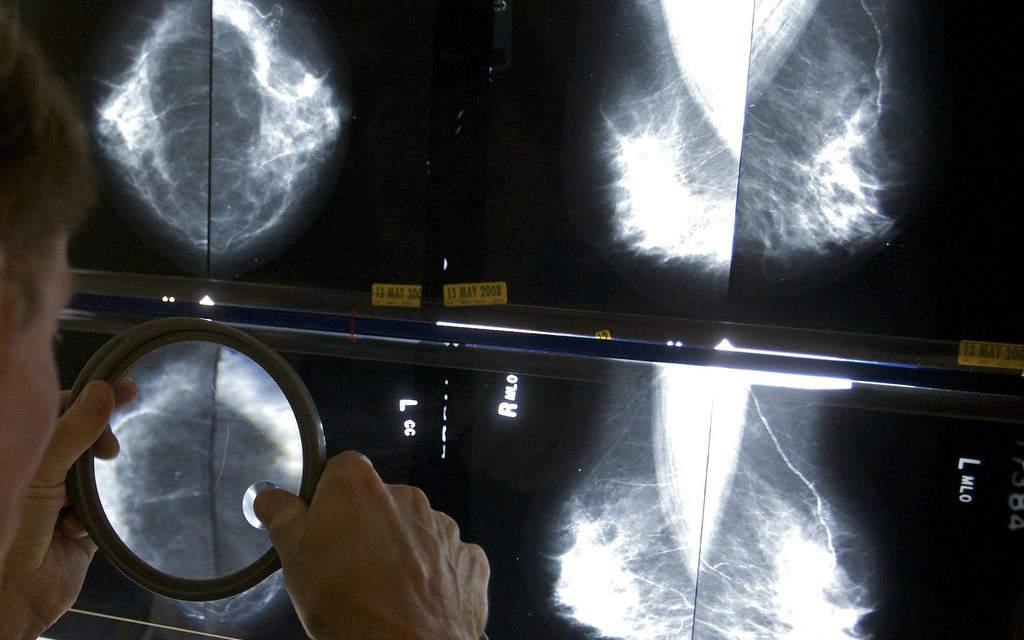
A radiologist, relying on precise tools, examines mammograms in Los Angeles on May 6, 2010, highlighting the ongoing battle against breast cancer. This image reminiscent of my mother’s experience, emphasizes the value of comprehending personal breast cancer risk. Upon learning of my own high risk, I chose to undergo a double mastectomy. It was a critical decision made with awareness and intent.
This life event solidified my belief in the need for all women to understand their cancer risk, aiming for informed health decisions. Creating a universal tool for breast cancer risk assessment is paramount to achieving this goal.
Breast Cancer Awareness Month serves to recognize progress in decreasing breast cancer fatalities, yet acknowledges existing challenges. Accessible screening and detection have enhanced early diagnosis possibilities. Despite advancements, significant efforts remain necessary to battle this widespread disease.
Efforts should include addressing care disparities, particularly in rural regions like Louisiana, by reducing barriers that hinder women’s understanding of their risk. Universal risk assessments become pivotal in this mission. These assessments evaluate factors like family history and lifestyle, yet their varying metrics create confusion. A study by the National Institutes of Health shows many women are unaware of these assessments’ importance.
A universal, user-friendly assessment, accompanied by educational resources, would empower women to comprehend their risk effectively. This objective aligns with the goals of the recently proposed Know Your Risk Act, aimed at developing a standardized tool via the Department of Health and Human Services. The act also enhances access to assessments through the National Breast and Cervical Cancer Early Detection Program.
Current risk assessment methods lack consistency and vary in accuracy. A unified, evidence-based approach is critical. Present tools, diversified in format and application, are inconsistently used in clinical environments. A standardized method ensures women receive consistent, reliable information.
This approach would not only inform women but also encourage those at heightened risk to discuss preventive strategies with healthcare providers. Such discussions are potentially lifesaving.
“Early intervention significantly contributed to my understanding and preventive actions regarding breast cancer,” shares the author, emphasizing the importance of universal risk awareness.
To extend this opportunity to all women, health agencies must prevent ignorance about breast cancer risks. The NIH’s Women’s Health Division offers pivotal research support, supplemented by cutting-edge AI tools. Regular mammograms and screenings should be discussed with healthcare providers to identify risks early.
Statistically, breast cancer affects one in eight women, underscoring the importance of proactive risk assessment. By ensuring accessible, reliable assessments, prevention and care can improve significantly.
Representative Julia Letlow, serving Louisiana’s 5th District, is committed to advancing healthcare innovation and risk assessment accessibility.
 Pennsylvania Mother Shares Experience of a Distressing School Incident with Disabled Son
 The Broader Impact of Abortion Bans
 Trump Administration Advocates for Psychedelic Treatments for Veterans
 Autistic Women Experience More Severe Menopause Symptoms
 Kennedy’s Campaign Efforts and Health Policy Developments
 Isometric Exercises and Blood Pressure: Study Insights