
Isometric exercises, such as holding a wall squat for a few minutes, may not appear strenuous. However, research indicates they could be highly effective for reducing blood pressure. A study published in BMJ Open Sport & Exercise Medicine highlights that isometric exercise training, where muscles contract without joint movement, can significantly lower resting blood pressure in as little as four weeks.
The study involved 100 inactive adults with a systolic blood pressure between 120 and 140 mmHg. Over four weeks, participants performed lower-body isometric wall squats thrice weekly at home. The routine included four two-minute squats, with two minutes of seated rest in between. Participants’ heart rates were monitored to maintain consistent effort.
After four weeks, the average systolic blood pressure dropped by 9.5 points, and diastolic pressure also decreased compared to a control group. The study then explored how reduced exercise frequency affected these benefits.
For four weeks, participants were assigned to exercise three, two, one, or zero times per week.
Those who stopped exercising entirely saw their blood pressure return to baseline levels, negating their initial progress. In contrast, those exercising once or twice a week retained much of their improvement. Only participants training three times weekly maintained significant gains in specific health metrics:
- Total peripheral resistance, indicating blood flow resistance
- Heart rate variability, showing heartbeat time variation
- Reflex sensitivity, related to blood pressure regulation efficiency
Dr. Aseem Malhotra, a cardiologist, commented on these findings, noting the potential cardiovascular benefits of minimal exercise frequency. “Wall squats are cost-effective,” Dr. Malhotra told Fox News Digital. Although Dr. Malhotra was not part of the study, he shared, “In clinical practice, dietary changes also produce significant blood pressure improvements.”
He recommended a low-carb Mediterranean diet as a potent intervention for blood pressure and overall metabolic health.
The study consisted mainly of healthy adults not on blood pressure medications. Researchers acknowledged limitations in generalizing findings to those with diagnosed hypertension, older individuals, or patients already on medication. Additionally, the study’s four-week maintenance phase suggests further research is needed to determine long-term benefits.
Khloe Quill, a lifestyle writer, covers various topics, including health, with Fox News Digital. For more health stories, sign up for the newsletter or download the Fox News app.
 Kennedy’s Campaign Efforts and Health Policy Developments
 Exploring the Benefits and Flavors of Winter Squash
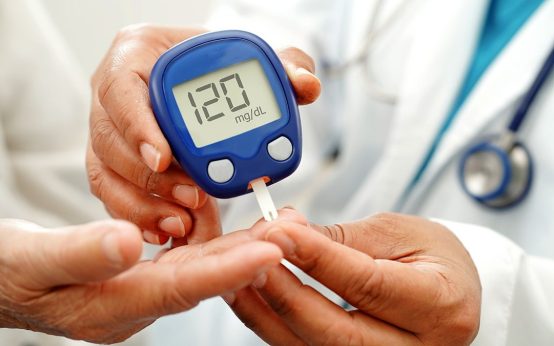 Impact of Daily Habits on Blood Sugar Levels
 Restaurant Substitutions: A Debate on Dining Etiquette
 NFL Agent Leigh Steinberg Discusses Jalen Hurts’ Health Situation and League Implications
 Navigating the Breakup Process: Key Steps for a Healthy Transition