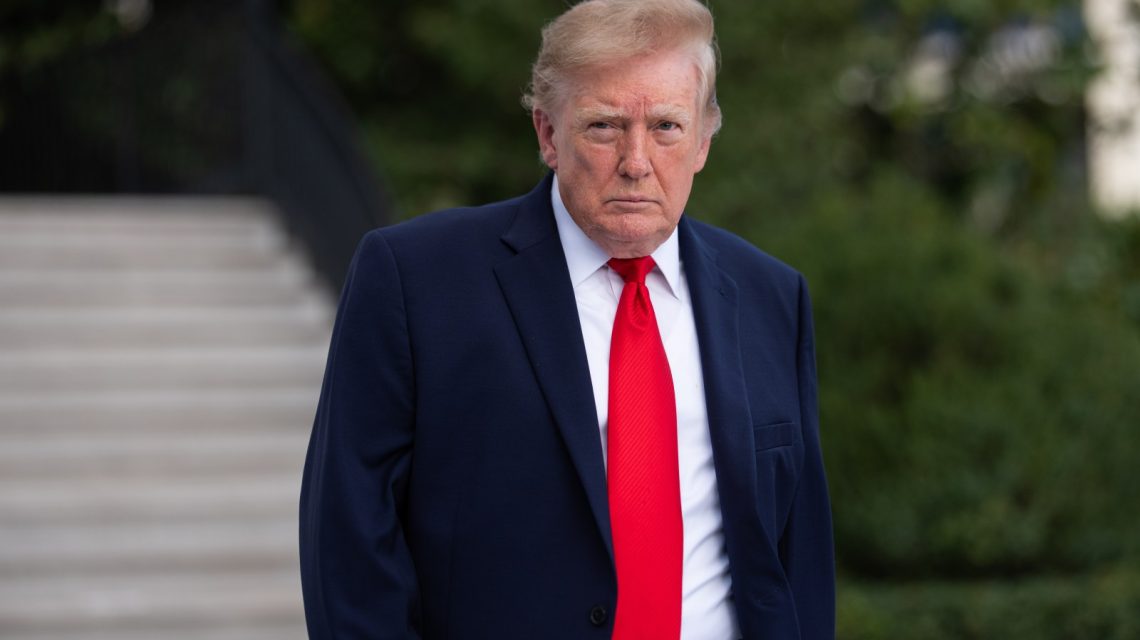
The Trump administration is prioritizing efforts to expand access to psychedelic drugs for veterans, as potential treatments for post-traumatic stress disorder (PTSD) and depression gain interest. Andrew Gradison, a senior adviser at the Veterans Health Administration, notes that up to 2.1 million veterans could benefit from therapies using substances like psilocybin and MDMA. These figures are based on the fact that approximately 6.4 million veterans regularly depend on the Department of Veterans Affairs (VA) for healthcare.
Christopher DiViaio, the clinical director at Eleve Behavioral Health, underscores the persistent nature of PTSD for many veterans. He explains that while traditional treatments such as therapy and medication have helped some individuals, they aren’t effective for everyone. As a result, there is growing interest in exploring alternative solutions, including psychedelic-assisted therapy.
The current challenge lies in the lack of regulatory approval for psychedelic drugs as safe and effective treatments for mental health conditions. This presents a significant barrier for the VA, which would face numerous practical and safety challenges even if approval is granted.
Why Psychedelic Treatments Matter for Veterans
Veterans have become a focus for potential psychedelic treatments, as researchers seek new approaches to addressing PTSD and other mental health issues. In April, President Donald Trump issued an executive order to expedite research, clinical trials, and patient access to psychedelic therapies. Despite these efforts, the U.S. Food and Drug Administration (FDA) has not yet approved psychedelic treatments for these conditions.
Gradison shared insights at the Horizons: Perspectives on Psychedelics conference, expressing a desire to increase VA’s capacity to offer psychedelic therapies to veterans with mental health concerns. This accounts for roughly one-third of regular VA patients, totaling as many as 2.1 million individuals.
The VA is actively preparing for the rollout of psychedelic therapies, and Toby Marton, chief medical officer at Radial Health, highlights the administration’s commitment to the initiative. Resources are already being allocated to support this effort, although Gradison cautions that reaching large-scale treatment levels will take time.
The Veterans Health Administration will face challenges meeting demand for psychedelic treatments, said Gradison. ‘It’ll be a challenge’ in the first year to treat thousands of patients with FDA-approved psychedelics, pointing out both practical and safety considerations.
FDA Approval and Legal Hurdles
Accelerating the regulatory and research process is key to making pharmaceutical treatments legally available to VA patients. Current efforts are not aimed at dispensing illicit psychedelics under existing laws, but rather exploring potential legal avenues for specific treatments.
Despite substantial interest from the veteran community, FDA approval remains a critical hurdle. In 2024, the FDA rejected a proposal for MDMA combined with therapy as a PTSD treatment. Nevertheless, the Trump administration continues to facilitate faster development of psychedelic therapies.
Following Trump’s executive order, the FDA began fast-tracking reviews for several companies developing psychedelic treatments. Compass Pathways is one such company, working on a synthetic formulation of psilocybin for treatment-resistant depression. The company expects to submit its application this quarter, anticipating approval in the first half of 2027.
The Path Forward
If FDA approval is granted, the Trump administration would need to translate this into viable treatments within the VA. DiViaio emphasizes the importance of managing expectations, warning against presenting psychedelics as ‘miracle treatments.’ While promising, these substances can induce intense psychological experiences that may not be suitable for everyone. Thorough consideration of who benefits, potential risks, and support requirements before, during, and after treatment is essential.
Beyond approval, considerations such as affordability, access to trained professionals, and proper follow-up care will be paramount. Even a promising treatment from clinical trials can face challenges in everyday implementation.
 Autistic Women Experience More Severe Menopause Symptoms
 Kennedy’s Campaign Efforts and Health Policy Developments
 Isometric Exercises and Blood Pressure: Study Insights
 Impact of Daily Habits on Blood Sugar Levels
 NFL Agent Leigh Steinberg Discusses Jalen Hurts’ Health Situation and League Implications
 Highland Park Celebrates Día de los Muertos with Vibrant Week-Long Event