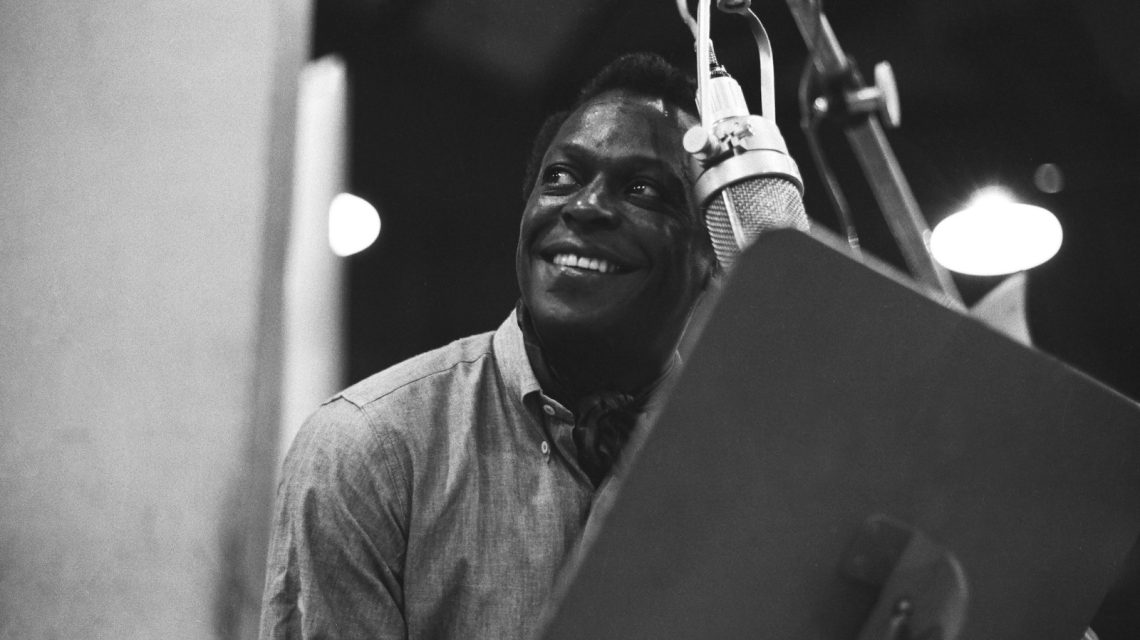
Miles Davis, a pivotal figure in American music, would have turned 100 this year. Known for his profound influence on jazz, Davis transcended genres and embodied a unique blend of rock star charisma and hip-hop attitude. Drawing comparisons to popular music icons, he remains a subject of fascination.
Many enthusiasts, like myself, first encounter Davis through the album Kind of Blue. Its timeless beauty, captivating improvisations, and serene trumpet sounds left a lasting impression on listeners worldwide. During my early days as a writer in New York, under the guidance of my mentor Sam Anderson, I dived into the world of jazz, starting with this masterpiece.
Davis, the son of a music teacher and a dentist in East St. Louis, embraced a musical journey that included bebop, cool jazz, and hard bop. He later pioneered jazz fusion, blending rock, funk, soul, and global rhythms. His collaborations with legends like Charlie Parker, Thelonious Monk, and John Coltrane, along with contemporary influences like Prince, further solidified his legacy.
Aside from his music, Davis was renowned for his evolving fashion sense, mirroring the changing cultural landscape. His style ranged from the elegant suits of jazz’s golden era to expressive ensembles of the 70s and 80s. Davis, both bandleader and cultural symbol, defined artistic freedom.
Intriguingly, Davis counted Gil Evans, a white arranger, among his closest collaborators, symbolizing his belief in shared artistic exploration. His numerous achievements, however, come with a complex personal history. Known for his pride and outspokenness, Davis faced racial adversity throughout his life, exemplifying both resilience and the harsh realities of the 20th-century United States.
Despite his musical genius, Davis’s legacy is marred by his admission of abusing women, documented in his autobiography with Quincy Troupe. His lack of remorse complicates the admiration for his work. Award-winning writer Pearl Cleage, author of Mad at Miles, emphasizes the necessity of acknowledging both his brilliance and his violence.
“We have to honor the artistic genius but still acknowledge his abuse of women. It’s a terrible contradiction that women have to confront regularly when our geniuses and heroes abuse us.” – Pearl Cleage
Davis’s history of violence, partly influenced by trauma from his childhood and being a Black man in America, shadows his musical achievements. Both his success and his personal failings hold lessons for us today.
As the United States approaches its 250th anniversary, reflecting on figures like Miles Davis urges a reevaluation. How can we align the emotions evoked by his albums with our broader values? The answer lies in confronting and learning from past contradictions.
Kevin Powell, a GRAMMY-nominated poet and public figure, reflects on these themes in his writing, including his latest poetry collection. His work encourages thoughtful analysis of our cultural icons and their multifaceted legacies.
Follow Kevin Powell on social media by searching ‘poet kevin powell.’
 Judge Adam Levy Shares Insights on His New Show
  New York Magazine’s Men’s Style Issue Sparks Debate
  Olivia Rodrigo’s Tour Opener Features Astonishing Costume Change
  Tribute to AEW Star Pac: Remembering Benjamin Satterley
  Chaos Erupts on WWE ‘Monday Night Raw’ with Faction Feuds
  Actor Dennis Haskins Dies at 75