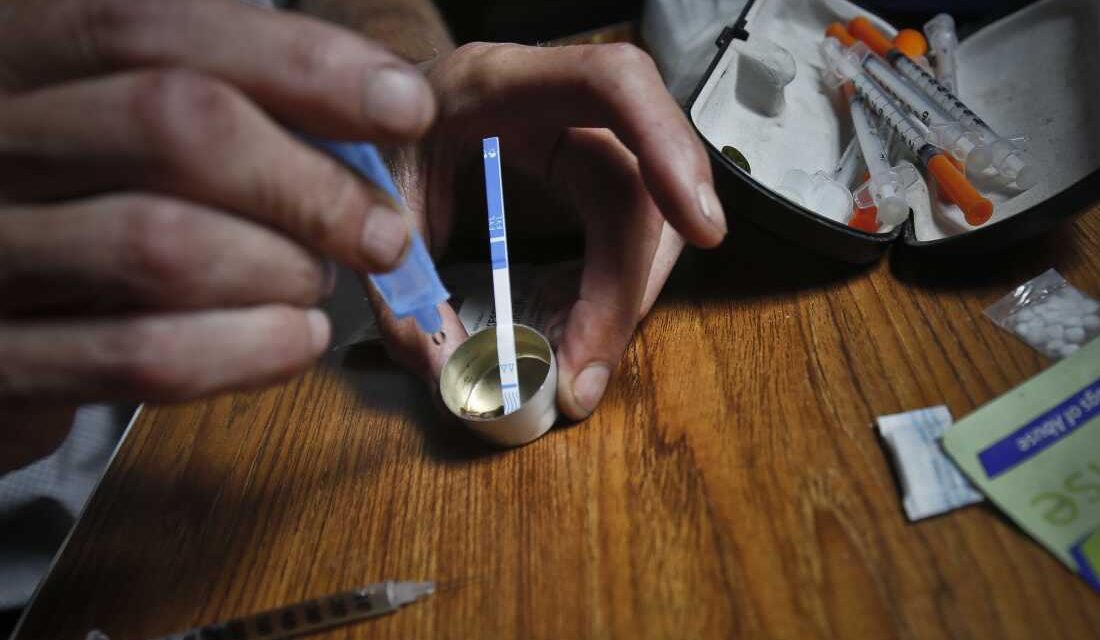
Back in August 2018, a drug user in New York utilized a test strip to check for fentanyl in heroin. This practice, seen by Bebeto Matthews, AP Photo, highlights a crucial effort in harm reduction. Fentanyl, a potent opioid, increases the risk of overdose significantly when mixed with other drugs.
In recent years, Baltimore experienced three mass overdose incidents within three months in the Penn North area. In one case, over 24 individuals needed hospitalization due to unresponsiveness on streets and sidewalks. While there were no fatalities, some cases were critical. Testing found that the street drugs contained high levels of N-methylclonazepam, a benzodiazepine similar to Xanax or Valium. Both classes of drugs suppress breathing, and their combination raises overdose risks. Importantly, benzodiazepines do not respond to opioid overdose reversal medications.
Reacting to these incidents, the Baltimore Harm Reduction Coalition developed test strips to detect benzodiazepines. These, along with strips for other adulterants like fentanyl, xylazine, and medetomidine, are distributed through clinics and neighborhood events. Available for free, you can also find them in bars or on street corners. Individuals can mix a small sample of a drug with water, dip a test strip, and look for color change indicating adulterants.
Candy Kerr, a coalition spokesperson, states, “People don’t really know what they’re getting when buying street drugs. The availability of test strips allows for informed decisions, potentially slowing down use.”
A new federal policy threatens this effort. Effective late April, the Substance Abuse and Mental Health Services Administration (SAMHSA) has banned using federal grants to distribute strips or support harm reduction practices credited with saving lives.
For nearly a decade, test strips have identified such adulterants. A box with these free strips sits outside the Chesapeake Detention Center in Baltimore. Health advocacy groups hand them out when individuals are released from jail or prison, aiming to prevent overdoses.
A letter to health departments and nonprofits explains the Trump administration’s stance. They argue such practices “facilitate illicit drug use and conflict with federal laws.” Federal grants from the Department of Health and Human Services (HHS) also can’t support clean needle programs, drug paraphernalia distribution, or specialized hotlines for drug users.
The administration focuses on alternative solutions like naloxone distribution, as noted by HHS spokesperson Emily Hilliard. She emphasizes, “Federal funds should support effective, common-sense solutions proven to save lives and promote recovery.”
While the new policy prohibits funds for public test strip distribution, it allows law enforcement, health officials, EMTs, and medical professionals to purchase them. Government agencies can still analyze drug supplies and report on adulterants.
Yngvild Olsen, from SAMHSA’s Center for Substance Abuse Treatment across both the Biden and Trump administrations, supports test strip distribution. Evidence shows they influence behavior—some users opt to avoid substances, reduce usage, or take precautions like having naloxone available and ensuring others are present in overdose situations.
Candy Kerr believes the best strategy involves continuing to use test strips alongside providing life-saving medications like naloxone. This combined approach contributed to a more than 40% decline in Baltimore’s overdose deaths since 2023.
Under the new policy, nonprofits can still distribute test strips but must find alternative funding. Kerr expresses concern, stating, “We’ve made progress because funding allowed it. Now, we’ll retrain resources.” The Baltimore Harm Reduction Coalition will reduce spending on services like hygiene and wound care kits to cover test strip costs, deeming prevention efforts a priority.
This article draws from NPR’s health reporting partnership with WYPR and KFF Health News.
 Durham’s HEART Program: A New Approach to Public Safety
  Mindfulness: Manage Stress by Embracing the Present
  Missouri’s Abortion Policy: Conflicting Amendments and Voter Decisions
  The Impact of Extended Job Searches on Mental Health
  Philanthropic Shift Towards Supporting Women in Midlife
  Remote Work Benefits Students and Societies Alike