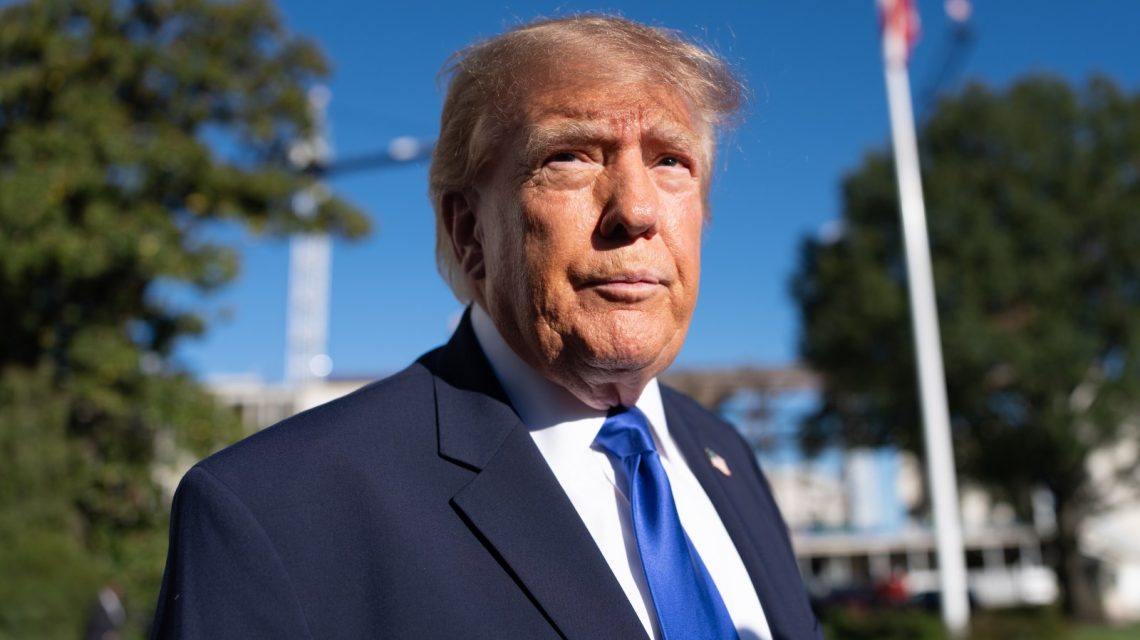
As election forecasts suggest a strong Democratic showing in achieving majorities in both the House and Senate, the Republican Party has several strategies to maintain its hold on the Senate during President Donald Trump’s remainder of the term.
Assessing Democrat Chances
Although the Senate seems less predictable than the House, Democrats hold a favorable position according to various polls and prediction markets. Decision Desk HQ gives Democrats a 57 percent chance of claiming the Senate. RacetotheWH estimates this probability at 73 percent, expecting them to control 52.5 seats. Polymarket shows a 68 percent likelihood for Democratic victory, reflecting user beliefs rather than direct voting intentions.
Current Republican Landscape
Entering the 2026 midterms, Republicans control the Senate with a 53-47 majority. This allows some leeway even if the Democrats succeed in their campaigns. The GOP’s ability to lose up to three seats without losing majority control is crucial. JD Vance serves as the tie-breaker in any 50-50 deadlock, necessitating Democrats to gain four seats to achieve a majority.
Strategic Retention: Minimizing Losses
The Republican strategy involves maintaining a solid majority through potential losses without relinquishing control entirely. Keeping battleground seats is key, with Republicans needing to defend positions in areas like Alaska, Iowa, Kansas, Maine, Michigan, South Carolina, Minnesota, New Hampshire, Nebraska, Ohio, and Texas.
Offensive Strategy: Targeting Key Seats
Flipping seats in Michigan or Minnesota could help offset potential losses. While Abdul El-Sayed leads polls in Michigan, margins are narrow, leaving room for Republican Mike Rogers. Similarly, efforts continue in Minnesota’s reliably Democratic Senate seats where recent challenges bolster GOP prospects. However, Democrats maintain strength in these states, with Georgia remaining resilient to Republican advances.
Conservative Hold: Securing Toss-Up States
Key Republican strongholds include Iowa and Kansas, where GOP candidates Ashley Hinson and Roger Marshall exhibit leads in polling. Past election patterns show disparities between polls and outcomes, implying a possibility for Republican retention despite Democratic optimism. Lee M. Miringoff from the Marist Institute indicates losing additional seats like Michigan or Minnesota would significantly complicate Democratic aims.
The Republican Party’s strategic retention and acquisition efforts in battlegrounds will determine their Senate control prospects in the upcoming election. Future outcomes could align in any of these scenarios, ensuring their potential to avoid a significant electoral setback.
 Patriot Act’s Legacy and Privacy Rights 25 Years Later
 Alaska Democrats Request Dismissal of Trump Administration Lawsuit Over Senate Race
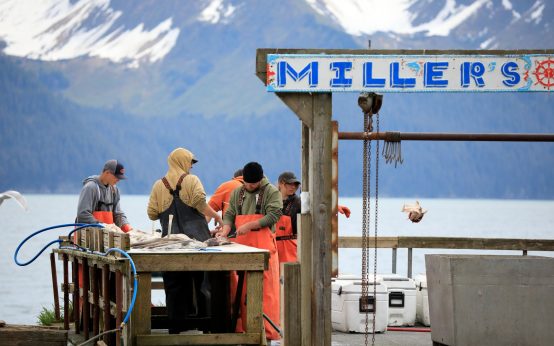 Alaska’s Fishing Industry: A Key Factor in the 2026 Senate Race
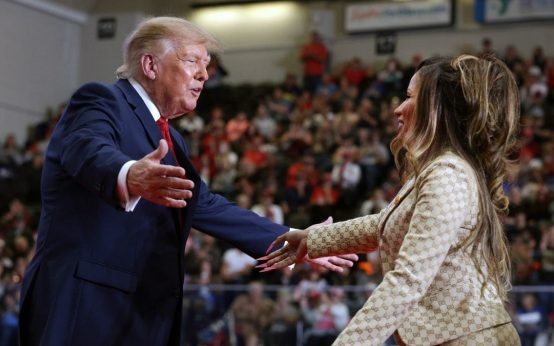 Nicki Minaj Expresses Support for Trump at Michigan Rally
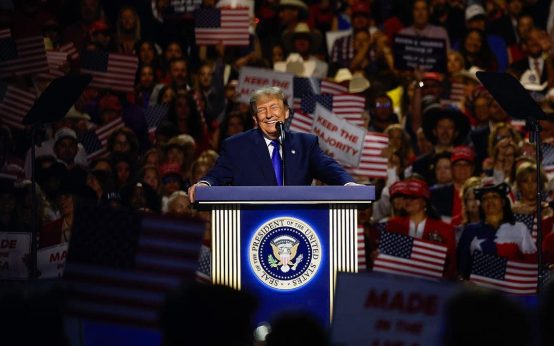 Political Ads Intensify As Midterms Approach
 Catholic Bishops Criticize White House Over Meeting Photo