
Twenty-five years ago, the Patriot Act was signed by President George W. Bush, expanding government surveillance powers in response to the 9/11 attacks. Nearly 3,000 lives were lost that day due to Al-Qaeda’s assault, marking the deadliest terror attack on U.S. soil. The Patriot Act remains influential, affecting Americans’ privacy rights notably.
In the aftermath of the attacks, the U.S. launched a War on Terror. A central element was the Patriot Act, enhancing government access to communications and records during terrorism investigations. It facilitated information sharing among intelligence and law enforcement agencies. Bush defended the bill as essential for punishing terrorists and preventing future attacks, asserting it respected civil liberties. Despite these assertions, the bill faced immediate opposition.
The American Civil Liberties Union (ACLU) criticized the rapid passage without extensive public hearings. Throughout the years, civil rights advocates have expressed concerns about potential misuse against individuals not under criminal investigation. Reforms have since been introduced, limiting some powers but not enough for advocates like digital rights lawyer Jennifer Lynch, who maintains technology advances outpace legislative adaptations.
Amid growing concerns, privacy protection becomes more urgent with the increasing use of artificial intelligence. Privacy advocates urge Congress to address the impacts of surveillance laws over the past decades. Despite reforms, federal agencies claim legislative changes have strengthened oversight and balanced privacy with security needs.
The USA PATRIOT Act gave needed tools to protect citizens from harm, according to Assistant Attorney General John A. Eisenberg. While drawn into debate, it extends common authorities for national security investigations.
In April, the Office of the Director of National Intelligence released its transparency report defending these powers as vital to its mission, highlighting rules to protect civil liberties. Debate persists, especially concerning ‘backdoor searches’ related to Section 702 of the Foreign Intelligence Surveillance Act (FISA), expired in June this year. Some advocacy groups oppose its renewal, yet Eisenberg advocates for its reauthorization to maintain national security protections.
Section 215 and Record Collection
Section 215 allowed the FBI to access a wider range of records with easier court authorization. From 2006, the NSA used it to amass bulk phone records of individuals not suspected of wrongdoing. The public became aware following Edward Snowden’s 2013 leaks. In 2015, a federal court ruled against the bulk collection, and the power lapsed in 2020, though some exceptions remain.
Introduction of the USA FREEDOM Act
Former President Obama signed the USA FREEDOM Act in 2015, following Snowden’s revelations, banning bulk collection under Section 215. It instituted a targeted approach, requiring the NSA to request specific data linked to terrorism from telecom companies. The act also included reforms for national security letters and increased transparency in court rulings.
Concerns Over Section 702
Section 702 enables intelligence collection on foreign individuals but inadvertently includes U.S. citizens’ communications. Critics like the Electronic Frontier Foundation highlight the widespread data sweep, calling for reforms. Misuse has been documented, with declassified court opinions revealing numerous unauthorized database searches by the FBI.
Defending Section 702, Eisenberg emphasizes its necessity in protecting national security and managing America’s privacy interests. He highlights these authorities as essential beyond counterterrorism efforts.
Evolving Privacy Concerns
Privacy debates now stretch beyond 2001’s context due to technological advancements. Jennifer Lynch notes that technology’s ubiquity outpaces legal changes, with smartphones tracking vast amounts of personal data. Surveillance capabilities grow more sophisticated, including social media analysis and location data purchase by law enforcement.
Patrick Toomey from the ACLU emphasizes the need for Congress to impose robust privacy laws addressing today’s technology landscape. Ensuring future generations’ freedoms without undue government oversight remains critical, he notes. Despite different views, Eisenberg contends national security and privacy rights are not conflicting, and collaboration with Congress will continue to balance these priorities.
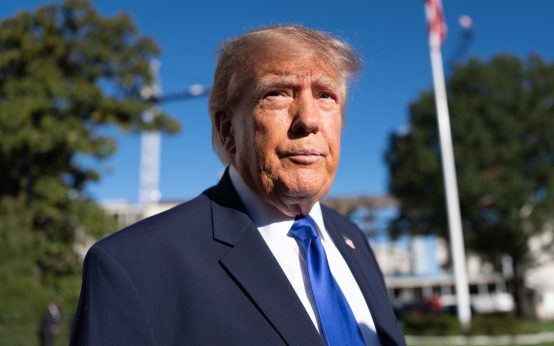 Possibilities for GOP to Maintain Senate Control Amid Democratic Surge
 Alaska Democrats Request Dismissal of Trump Administration Lawsuit Over Senate Race
 Alaska’s Fishing Industry: A Key Factor in the 2026 Senate Race
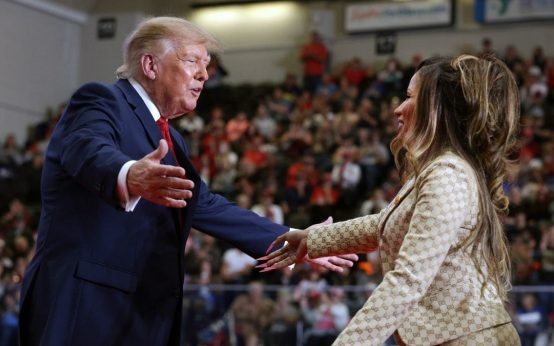 Nicki Minaj Expresses Support for Trump at Michigan Rally
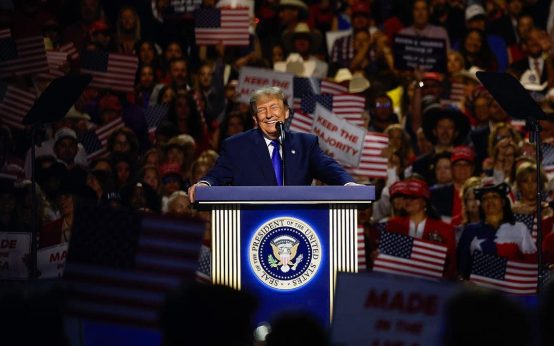 Political Ads Intensify As Midterms Approach
 Catholic Bishops Criticize White House Over Meeting Photo