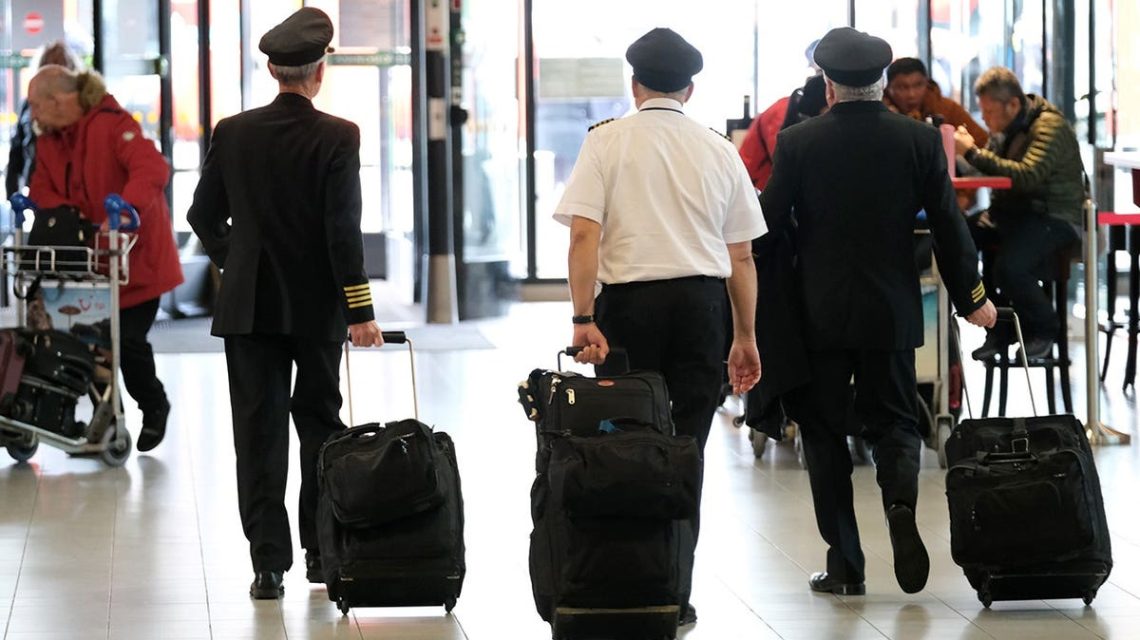
Recent findings highlight a concerning issue among pilots regarding fatigue during flights. A report by aviation consultancy Baines Simmons, based on responses from 7,200 pilots across 32 European countries, reveals that over 75% of pilots have experienced at least one ‘microsleep’ while operating aircraft in recent weeks. These results were published by the European Cockpit Association (ECA), which represents over 44,000 pilots in Europe.
The report goes beyond brief episodes of sleep in the cockpit, shedding light on overall rest adequacy. Approximately 39% of pilots reported not getting enough rest to prevent fatigue buildup.
Pilot Reporting and Safety Concerns
Another key issue is the hesitation among pilots to report fatigue. Only 37.2% typically report their fatigue, while 24.2% admit they do not report it and continue to fly. Capt. Coen George, an ECA board director, warned that fear of career consequences might lead to underreporting, ultimately increasing risk during flights.
US Regulations on Pilot Rest
In the United States, the Federal Aviation Administration (FAA) had implemented stricter rest and duty regulations in 2012 to combat pilot fatigue. These rules ensure pilots receive at least 10 consecutive hours of rest, including a chance for eight hours of uninterrupted sleep, before flight duty periods. Pilots must report fatigue and be relieved from duty if unfit to fly, according to the FAA.
Fatigue proves challenging when pilots work overnight or cross multiple time zones. This disruption can significantly affect their rest and alertness.
Challenges in Maintaining Adequate Rest
Former Navy fighter pilot and commercial airline pilot, Matthew Buckley, shared that scheduled time off does not always equate to sufficient rest. He noted that sleeping during unusual hours can hinder natural sleep patterns and mentioned east-west travel as particularly taxing due to time zone changes.
Buckley stressed that pilots must ultimately assess their readiness to operate safely. He stated, “At the end of the day, you determine if you are fit to fly.”
Industry and Passenger Considerations
Bobby Laurie, a travel expert and former flight attendant, emphasized that the high percentage of pilots experiencing microsleep demands industry attention. However, he clarified that not all flights are necessarily unsafe.
“If you see a delay due to crew rest, understand it’s posted for safety,” Laurie stated. “Proper rest is crucial for reaching your destination safely.”
Meanwhile, rest requirements for flight attendants have been under scrutiny in the U.S. The FAA proposed a nationwide rule to standardize meal and rest breaks for both pilots and flight attendants, facing opposition from major flight attendant unions.
Fox News Digital reached out to Baines Simmons and the Flight Safety Foundation for further comments.
 The Royal Family’s Struggle with Its Legacy of Slavery
 Fatal Train Collision Shocks Spain
 Flávio Bolsonaro Labels Himself ‘President-Elect’ in Exile
 Brazil’s Legal System Faces Scrutiny in Bolsonaro Case
 Dolores Huerta: Legacy of a Labor and Civil Rights Leader
 Controversy Over Russian Diesel Shipments to the U.S.