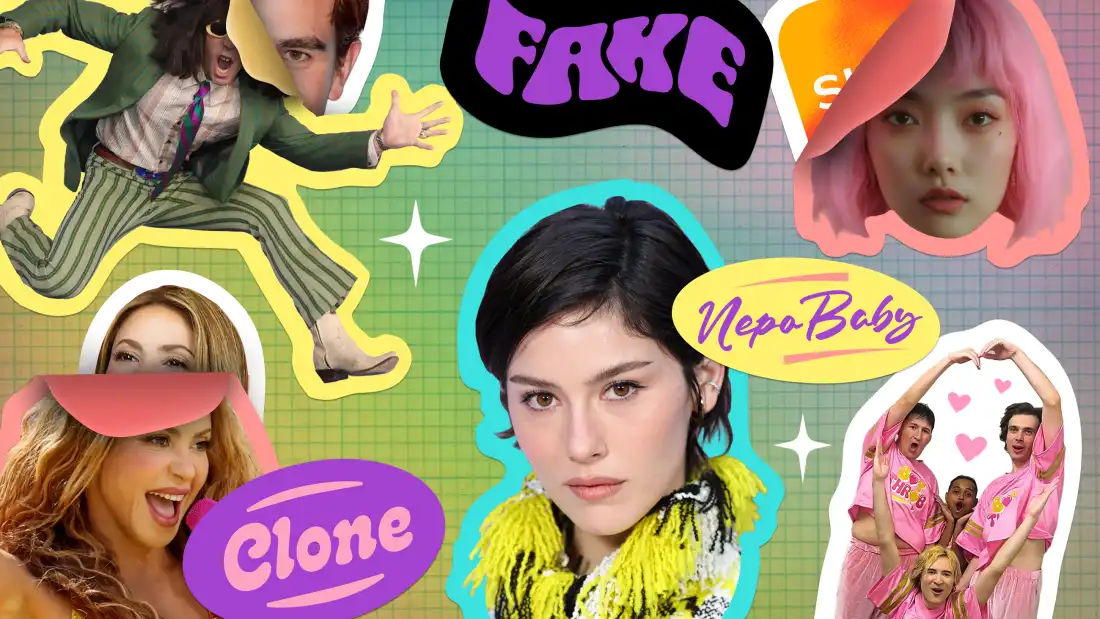
The music landscape of 2026 has sparked significant debate over authenticity. Notable figures like Shakira, Mr. Fantasy, Gracie Abrams, AI artist Tata Taktumi, and boy band Boy Throb are at the center of this controversy.
Musician James Blake’s recent Instagram posts have criticized a “rigged” music industry. He accuses it of manipulating album reviews, comment sections, and streaming for profit. In his words, “there’s not a single part of the system that isn’t faked.”
The “Dead Internet Theory” and AI in Music
The “Dead Internet Theory” claims that many online interactions are not human-led but generated by bots. In contrast, Gen Z values live music, spending extensively on concert tickets. This disconnect poses challenges for an industry where AI and algorithms significantly influence artistic expression.
Geese Controversy
The “Geese is a Psyop” controversy highlighted concerns about authenticity. A digital marketing agency, Chaotic Good Projects, admitted to using fake fan accounts to promote artists. Indie musician Eliza McLamb commented on this irony in her Substack, as alternative artists benefited. This led to skepticism about sudden viral fame and the sincerity of fanbases.
Ticketmaster and Fake Accounts
In April, Ticketmaster announced it canceled tickets for Harry Styles’ residency that had been bought by scalpers using fake identities. This move was part of ongoing debates about Ticketmaster’s practices and its influence on concert ticket pricing and resale markets.
Mr. Fantasy and KJ Apa
A mysterious artist named Mr. Fantasy, who resembles actor KJ Apa, denied any connection despite fan speculation. The resemblance and a music video with Apa’s costars intensified the rumors until both parties addressed it, resolving the situation privately.
Deepfake in Music Videos
The Rolling Stones used deepfake technology in their video for “In the Stars.” AI startup Deep Voodoo, founded by Trey Parker and Matt Stone, created younger versions of the band members, showcasing the intersection of technology with music.
Streaming Manipulation
Malcolm Todd’s song “Earrings” witnessed suspicious streaming surges attributed to bots, highlighting the issue of manipulated streams. Spotify later removed manipulated streams, addressing the challenge of ensuring genuine audience engagement.
The Proliferation of AI-Generated Music
Deezer reported over 50% of its June uploads were AI-generated songs, although genuine listenership remains minimal. Insights reveal growing listener discomfort with AI-generated music, reflecting broader industry challenges.
Gracie Abrams and the “Nepo Baby” Debate
Popular singer-songwriter Gracie Abrams faced criticism over nepotism accusations. Acknowledging her privilege, she emphasized her safety net. Her album “Daughter From Hell” debuted at No. 1, despite ongoing debates.
Influencer Payola and Music Discovery
Short-form video content creators have become key to music discovery. However, recent revelations of undisclosed promotional payments raise ethical questions about authenticity in music recommendations.
Conspiracy Theories and Allegations
Rumors of Shakira and Usher using body doubles during performances highlight audience skepticism amidst rising AI capabilities. Both artists have addressed and dismissed these claims.
Spotify’s Verification of AI Personas
Spotify introduced a system in September to label AI-generated users posing as human artists. This initiative aims to distinguish between artist personas and the technology used in their creation.
Boy Throb’s Viral Campaign
The boy band Boy Throb employed unique marketing strategies, parodically addressing member Darshan Magdum’s immigration journey while gaining significant TikTok popularity.
Lawsuits Against AI Companies
Musicians like Jason Isbell and others sued AI music model company Suno over unauthorized use of their voices and identities. The case highlights ongoing tensions over AI’s role in art.
Betty Hammerschlag’s Identity Mystery
Betty Hammerschlag, an underground Gen Z artist, is speculated to be a creation by German artist Tilman Hornig. This investigation underscores the blurred lines between identity and creation in music.
Stella Lefty and Plagiarism Allegations
Stella Lefty, a rising star, faced backlash for “stealing” melodies despite credited interpolations. Her team has not commented further, and the debate over her work continues.
First Criminal Streaming Fraud Case
Michael Smith from North Carolina faced legal consequences for manipulating AI-generated streams. His case marks the first criminal charge in such a context, spotlighting streaming fraud.
Phoebe Bridgers’ No-Phone Rule
Phoebe Bridgers banned phones at her shows, leading to playful speculation about events at her concerts. Concertgoers creating outrageous memes reflect a nostalgic embrace of the present moment.
Controversial AI Video in Politics
Sen. Marsha Blackburn shared an AI-generated video of her as rapper Kendrick Lamar, sparking backlash. The clip, intended as campaign fun, instead invited criticism on AI ethics in politics.
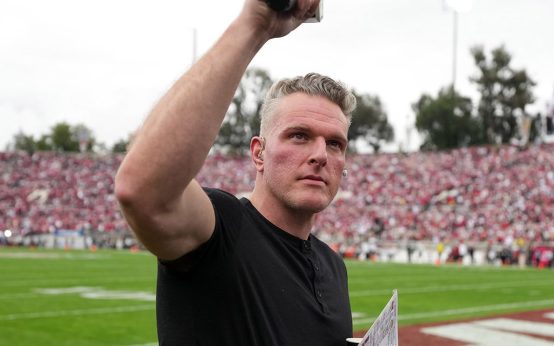 Pat McAfee Criticizes University of Utah Over Social Media Post
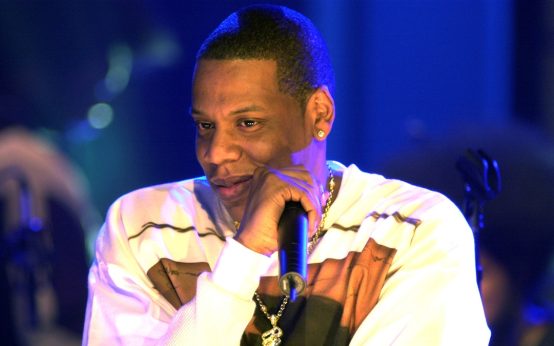 Jay-Z to Headline Super Bowl LXI Halftime Show
 Jay-Z to Perform at Super Bowl LXI Halftime Show
 Jon Gosselin on Estranged Relationship with His Children
 City Lit Theater’s Engaging Rendition of ‘King Hedley II’
 Nicki Minaj Expresses Support for Trump at Michigan Rally