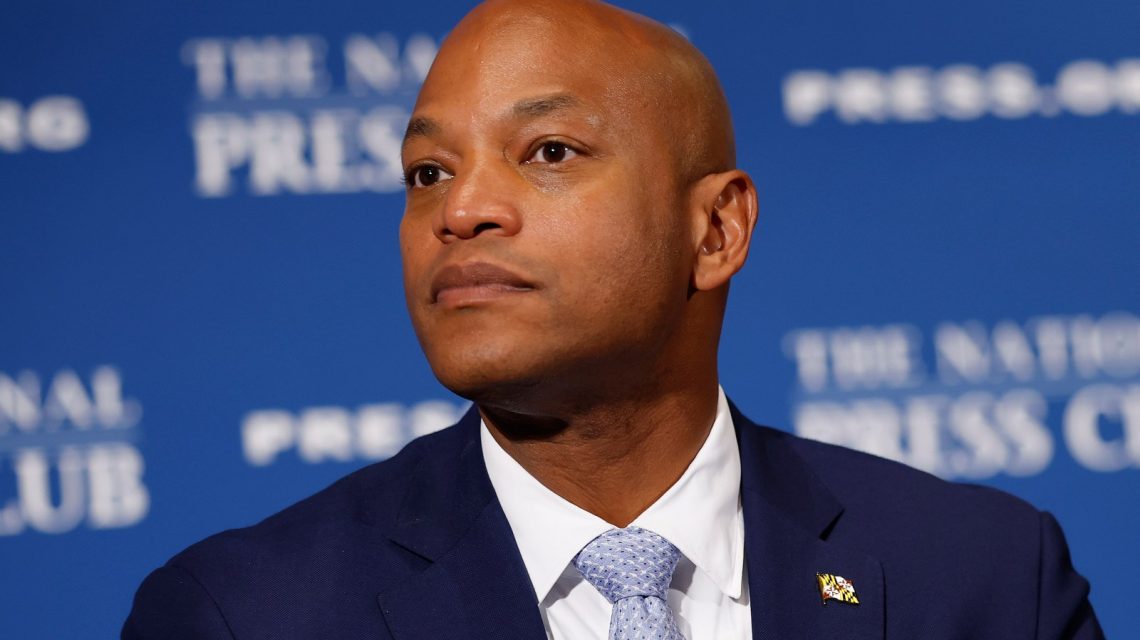
Maryland Governor Wes Moore, who won decisively in the 2022 election, now stands as the frontrunner for re-election in the 2026 cycle. Though his popularity remains relatively high, recent drops in approval ratings and concerns about economic issues like taxes and affordability present potential vulnerabilities. These factors have led Republicans to believe the race might become competitive.
Republican Primary Results and Candidate Dan Cox
In a crowded GOP primary, Dan Cox emerged victorious, securing approximately 44.7% of the vote, defeating Ed Hale, who received 36.3%. Cox, a former Maryland state delegate, seeks a rematch against Moore. In the previous general election, Cox lost by more than 30 percentage points.
Cox is noted for his strong support of former President Donald Trump and his alignment with the MAGA movement. Despite criticisms, he maintains significant backing from conservative voters.
Democrats’ Strategy in the GOP Primary
Democratic organizations have historically attempted to influence primary contests by elevating far-right Republican candidates, calculating them as weaker opponents in general elections. Moore’s campaign highlighted Cox’s ties to Trump and the MAGA movement, raising his profile among GOP primary voters.
Republicans, like Tyrone Keys running with Ed Hale, argue that Democrats are interfering and crafting misleading portrayals of Republican candidates. Nonetheless, voters opted for Cox again, setting up a general election rematch.
Voter Demographics in Maryland
Maryland’s voter registration heavily favors Democrats with 2.2 million registered Democrats compared to 1.02 million registered Republicans, creating a significant registration advantage. Since the 2022 election, Republicans have seen a 1.5% increase in registered voters, whereas Democrats experienced a 1.9% decrease.
This demographic advantage is part of the reason Democrats have historically dominated statewide offices. Former Governor Larry Hogan, a Republican who won gubernatorial races in 2014 and 2018, exemplifies how candidates benefit from crossover appeal.
Challenges for Republicans
For Republicans to defeat Moore, significant support from GOP voters and cross-party votes are essential. Economic concerns might bolster their argument, with 58% of voters expressing that taxes are too high. Polls have shown Republican candidates leading Moore among these voters.
Historical Context of Republican Governorship in Maryland
The last Republican governor in Maryland before Moore was Larry Hogan, who served from 2015 until 2023. Hogan, a moderate, focused on fiscal management and bipartisan governance. He won his first term during a period of dissatisfaction with the previous Democratic administration, which had increased taxes. His success came in an open race, and historically, it is rare for Republicans to defeat incumbents.
The last instance of a Republican ousting an incumbent governor occurred in 1950 when William Preston Lane, Jr., was defeated by Republican Theodore McKeldin. Current Republican efforts require overcoming numerous challenges, including Maryland’s political polarization and the need for significant crossover appeal.
As the 2026 campaign progresses, Governor Moore’s reelection bid hinges on maintaining voter confidence in Maryland’s direction and economic policies. Despite recent polling indicating potential vulnerabilities, Moore still holds a strong position over a generic Republican challenger.
 Trump Pressures Republicans on Filibuster Threat
  Rep. Golden Endorses Rep. Lawler for Re-election
  Public Perception and Political Impact of Data Centers
  Jewish Democrats in Michigan Shift Support to GOP Candidate in Senate Race
  Mayor Mamdani and President Trump Discuss Major Housing Project in NYC
  Poll Reveals MAGA’s Increasing Popularity Over DSA as Democrats’ Future Debated