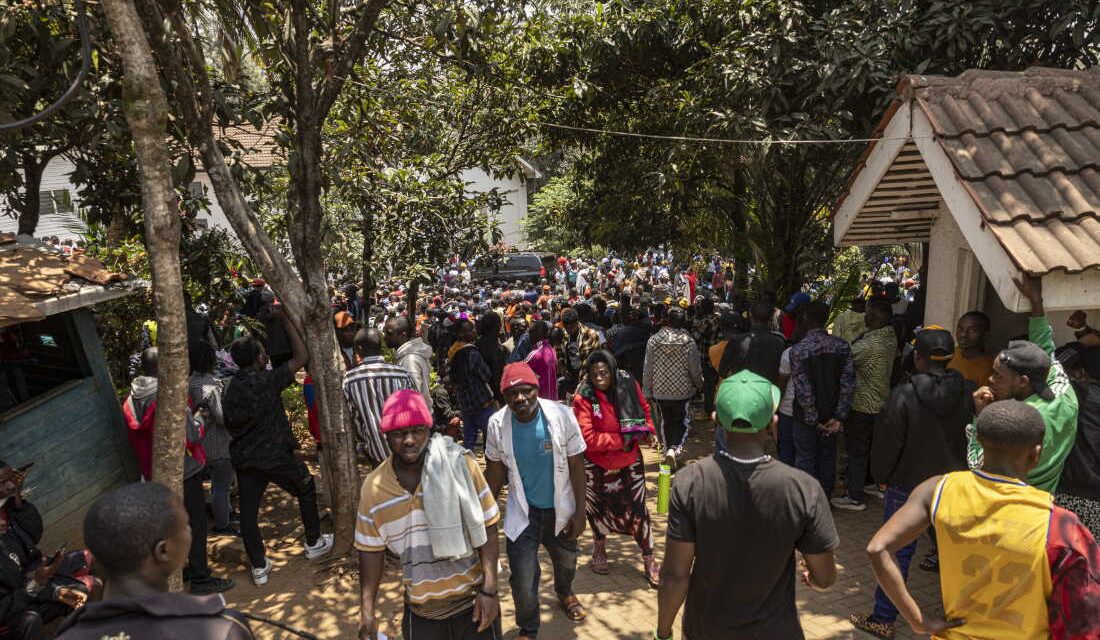
In Nairobi’s Kibera, a bustling hub, the day starts with usual activity as people rush to work and vendors prepare for business. Yet, for foreign nationals with small businesses, uncertainty looms. Recently, President William Ruto ordered a closure of small-scale businesses operated by foreigners, stating these opportunities should remain within Kenyan hands. Faced with a tight deadline to comply, anxiety grips migrant communities.
At a matatu terminal, a focal point for Nairobi’s minibus taxis, the effects are already visible. James Mogaka, who oversees operations there, notes the absence of many vehicles owned by foreign nationals. “Today they have not come. Their vehicles are not here,” he reports, voicing concern for one of his drivers who remains home from fear. His driver worries for his wife, a Burundian running a local fruit stall, “The guy is even afraid that people might come to chase away the wife,” Mogaka shares, uncertain about the future.
This directive has heightened worries within migrant communities across Kenya, stirring fears regarding both livelihoods and safety. This situation is not unique to Kenya; similar tensions over migration and foreign business ownership are mirrored in other African nations. In Tanzania, non-citizen business restrictions prevail, while South Africa has seen a rise in xenophobic violence.
Though many affected individuals prefer anonymity when expressing their concerns, opinions are varied among locals. In Nairobi’s central business district, some traders like Robert Kiberenge disagree with the eviction order. “The president is just trying to divert our attention from more pressing issues. We have no problem with foreigners doing small businesses in Kenya.” Others, such as graduate Kiprono Kutuny, support the president’s stance. “I concur with him. The government needs to protect the traders and small business people,” he says.
Kenya, a prominent economic hub in East Africa recognized for its political stability, shelters around 993,000 international migrants according to United Nations’ estimates for 2024. The government defends its policy as a protective measure for Kenyan traders in an overcrowded small-business environment fraught with foreign competition.
However, some argue against this policy. Economist Edward Kusewa considers it ill-advised. He warns the directive might contravene principles of the African Continental Free Trade Area, which facilitates cross-border movement of goods and people. “These people contribute a lot to the economy,” Kusewa asserts, emphasizing their role through tax contributions and economic participation.
As President Ruto eyes the upcoming election, the controversy over small business ownership amid economic pressures and employment concerns intensifies. In response to the outcry, particularly from foreign nationals predominantly from Burundi and the Democratic Republic of Congo, the Kenyan government extended a 90-day window for undocumented East African residents to secure or update necessary business documents. Yet, the impending uncertainties have already left many apprehensive.
 Gorillaz and Macklemore Respond to Controversy Over Israel-Palestine Statements
 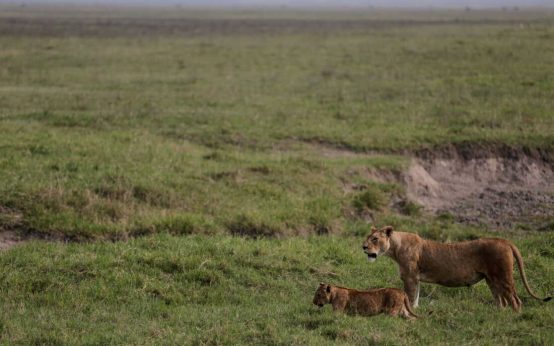 Investigation into Lion Deaths in Tanzania
 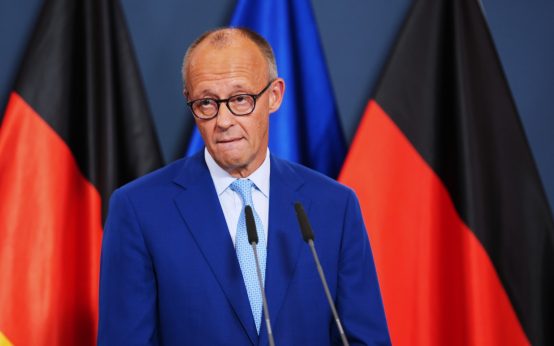 Merz Stays Resolute Amid Electoral Shifts in Germany
  The Impact of Arts and Closure on Democracy
 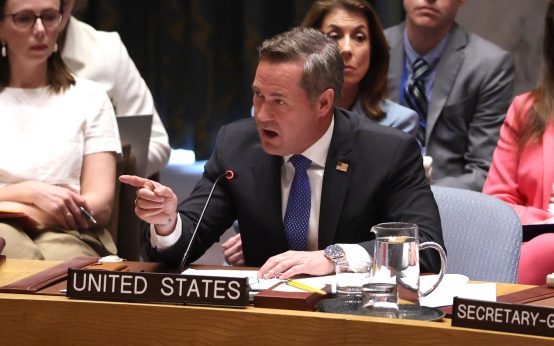 U.S. Ambassador Comments on Iran War Duration Amid Political Concerns
  U.S.-Iran Relations and Diplomacy at Upcoming U.N. Assembly