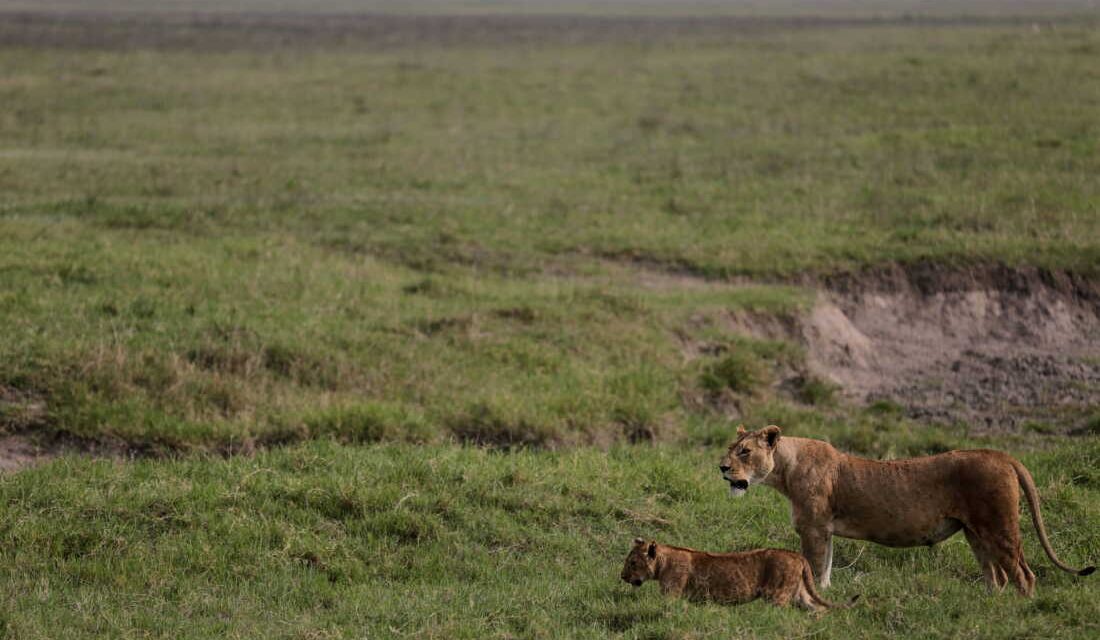
A recent discovery of ten deceased lions in the Ngorongoro Conservation Area in Tanzania has sparked concerns about wildlife poisonings in East Africa. These lions, found in a renowned wildlife reserve, may have succumbed to poison, according to preliminary assessments by wildlife officials.
The Ngorongoro Conservation Area, a site popular among tourists, serves as a home to pastoral tribal communities who manage cattle. The Ngorongoro Conservation Area Authority confirmed, “Preliminary findings suggest the animals may have died after ingesting poison,” and announced a comprehensive investigation to establish the exact cause of death and identify the individuals involved.
Conflicts between large animals and humans pose a significant threat in East Africa. A similar investigation is currently underway in Kenya, where 18 elephants died over the summer from suspected poisoning. This led to the arrest of four individuals by the police. Tests conducted by Kenya’s Wildlife Service indicated the elephants might have ingested cyanide. Tomato farmers in the Amboseli region, known for using banned pesticides, deny using cyanide.
Tanzania holds Africa’s largest lion population, accounting for half of the world’s wild lions. However, these lions are considered vulnerable by the International Union for Conservation of Nature due to shrinking habitats and poaching activities.
As a UNESCO World Heritage Site, the Ngorongoro Conservation Area receives international protection and is famed for the Ngorongoro Crater. This area hosts the Big Five game animals: elephants, lions, leopards, buffaloes, and rhinos.
Note: NPR maintains strict independence. It does not accept or offer money for coverage or interviews. Any offer or request for such practices is not made by NPR employees and does not represent NPR.
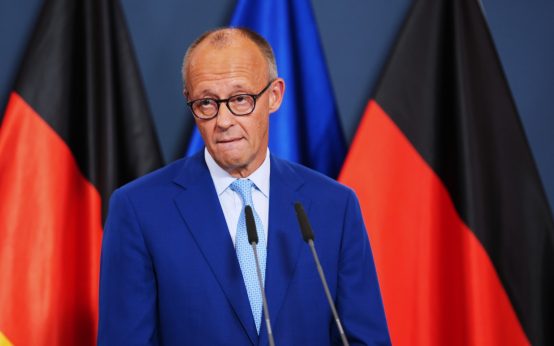 Merz Stays Resolute Amid Electoral Shifts in Germany
 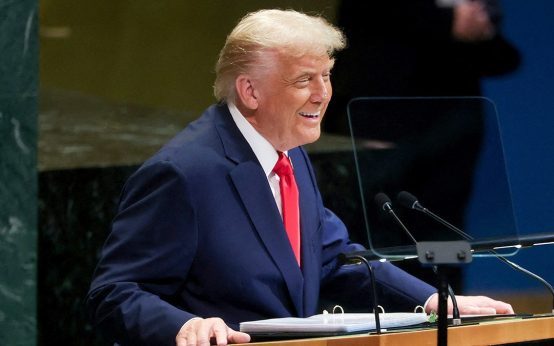 U.S.-Iran Relations and Diplomacy at Upcoming U.N. Assembly
 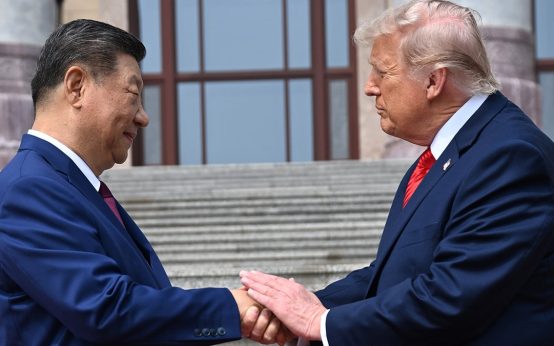 US-China Relations Under Scrutiny: Expert Warns of Escalating Tensions
 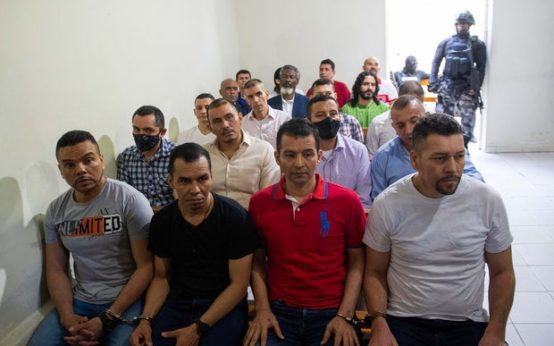 Extradition of Suspects in Haitian President’s Assassination
  No Timeline for End of Iran Conflict
 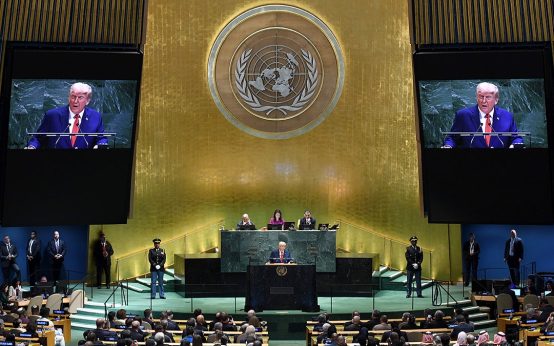 Trump’s UN Visit: Focus on Iran and Reforming the Global Institution