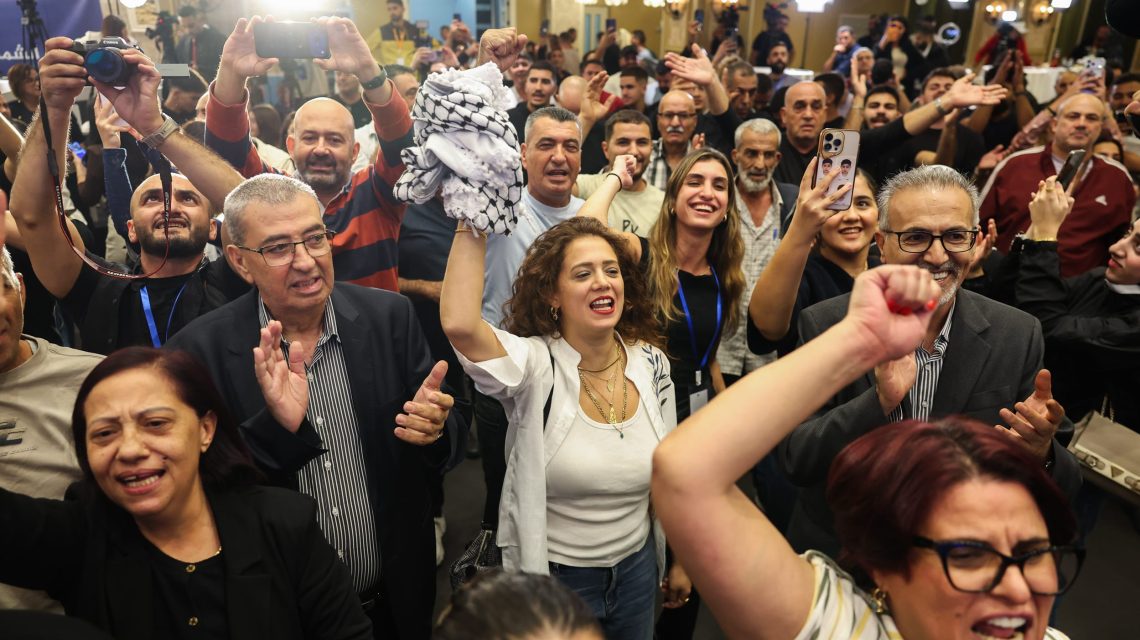
The Israeli Central Elections Committee released preliminary results from Tuesday’s election. Currently, 14,433 votes have been counted, revealing 26.50% support for Netanyahu’s Likud party and 19.32% for Eisenkot’s bloc. However, these figures are subject to change as counting continues.
Meanwhile, Arab parties celebrated high turnout among Palestinian citizens of Israel. Faten Gattas from the Joint List emphasized opposition to occupation and racism, expressing hope for a significant role in preventing Netanyahu’s right-wing coalition from gaining power. Eisenkot’s bloc has a narrow edge over Likud, leading 52-50, with 18 seats going to unaligned Arab parties.
Three years after the Oct. 7 attacks, security remains central to the election discussions. Netanyahu’s reputation as “Mr. Security” is under scrutiny, with debates on national issues like living costs, education, and corruption also front and center.
Voter turnout reached 77.7%, the highest since 1999, with 5.7 million votes cast. Official election results are expected within eight days, but coalition negotiations to form a government could extend beyond that.
During the campaign, Netanyahu highlighted his ties with President Trump, a topic causing concern among Eisenkot supporters fearful of global pariah status due to ongoing conflicts. Exit polls showed Eisenkot’s bloc slightly leading, with no clear winner yet. Coalition-forming will require at least 61 seats and intensive negotiations.
All polling sites closed with counting underway. Initial results are fluid, and the Central Elections Committee emphasizes ongoing verification. Netanyahu’s bloc is projected to receive 50 seats, compared to Eisenkot’s 52.
In the U.S., Ambassador Mike Huckabee clarified remarks about Arab voters, emphasizing the equal voting rights of Arab Israelis. High voter turnout and historical significance are also driving engagement.
Debates surrounding the Haredi population’s military service remain relevant, influencing political dynamics. Eisenkot’s anti-Netanyahu stance draws widespread attention, driving the election narrative.
Former PM Ehud Olmert criticized Netanyahu’s reliance on Trump’s endorsement, while high voter turnout reflects intense public sentiment. Arab Israelis, making up a fifth of the population, are strategically influencing outcomes.
As polls closed, Netanyahu pushed his right-wing followers to vote, emphasizing turnout among Arab citizens. Globally, Iranian criticism of U.S. and Israeli military actions further complicates regional politics.
Forming a coalition in Israel requires significant negotiations, with a minimum of 61 seats needed for approval. Smaller parties often hold sway in government formation. Political dynamics remain contentious, driven by public sentiment and international implications.
 Flávio Bolsonaro Seeks U.S. Visa After Election Loss to Lula
 Ed Sheeran’s Tour Controversy and Jack Antonoff’s Critique
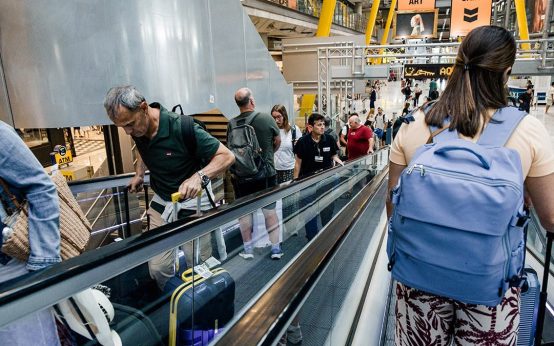 Transportation Strikes Imminent in Italy and Spain
 Indonesia’s Devastating Wildfires and Their Impact
 Russia’s Efforts to Address Declining Birth Rates Amidst Rising Defense Spending
 The Impact of U.S. Sanctions on the International Criminal Court