Netanyahu’s Defiant Speech
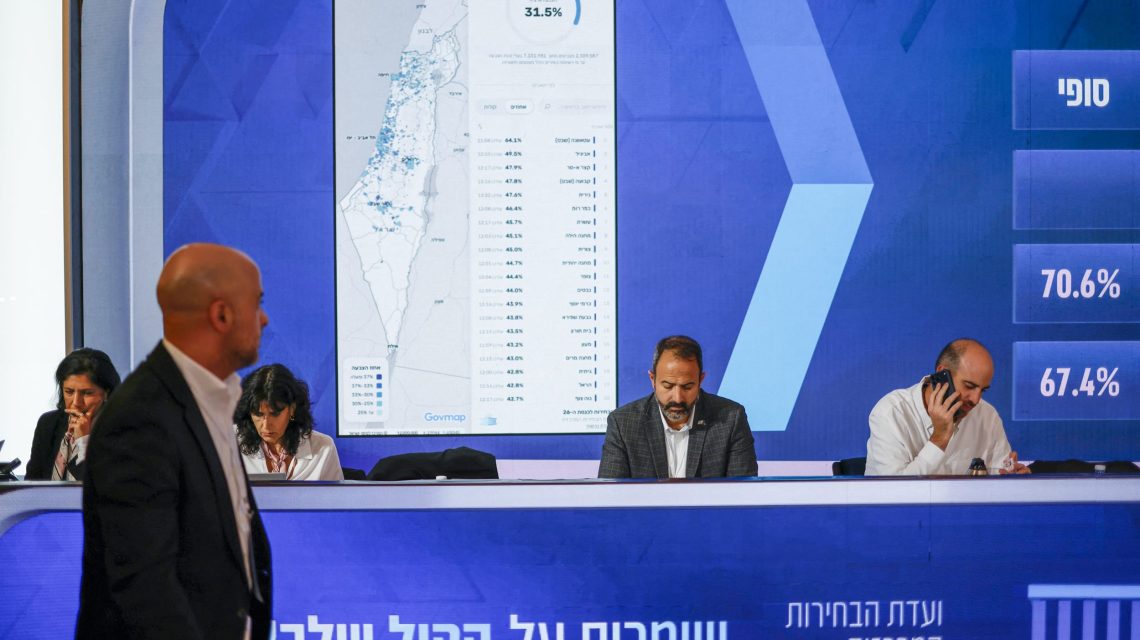
Benjamin Netanyahu, facing uncertainty in his political future, addressed his supporters with determination after Israeli election polls closed. Emphasizing the need for a strong right-wing government, he called for unity among Likud supporters as his party falls short of the necessary majority in the Knesset.
“We must form a right-wing, national, strong government,” he urged, acknowledging the hurdles ahead.
Netanyahu also highlighted the ongoing U.S.-Israeli conflict with Iran, describing it as a historic opportunity, in collaboration with President Trump, to eliminate the threat posed by Iran.
Misinformation and Controversies
In the lead-up to the election, Netanyahu’s online presence stirred controversy. Experts identified several of his posts as misleading, with some targeting Arab voter turnout. Achiya Schatz from Fake Reporter pointed out that certain images shared by Netanyahu appeared AI-generated, fueling disinformation and tension.
“During the whole day, Netanyahu has been pushing a ‘stop the steal campaign’,” Schatz noted, criticizing the rhetoric surrounding the legitimacy of Arab votes.
Rival Parties and Statements
Opposition figures like Yair Golan proclaimed Netanyahu’s government as defeated, indicating an opportunity for change. Golan emphasized the significant mobilization of supporters eager for a new direction for Israel.
Election Results and Implications
Preliminary election results showed Likud securing significant support but still falling short of a decisive victory. Arab parties celebrated higher voter participation, which may play a critical role in shaping the government.
Eisenkot’s bloc leads the opposition, hesitant to collaborate with Arab parties despite close results, creating challenges in forming a stable majority.
The October 7 Shadow
The aftermath of the October 7 attacks continues to loom over this election. Security concerns, along with socio-economic issues like the high cost of living, corruption, and public service deficiencies, are front and center. Netanyahu’s reputation as “Mr. Security” has been questioned due to these events.
High Turnout and Voter Engagement
This election witnessed a historic turnout with the highest participation since 1999. Voter engagement reflects the heightened stakes and public sentiment.
Voter turnout reached 77.7%, demonstrating significant public involvement as citizens strive for change in their leadership.
Looking Ahead: Formation of Government
The election process includes intricate negotiations as parties seek to establish a governing coalition. If no consensus is reached, the president may dissolve the Knesset, prompting new elections.
Analysis and Reactions
Netanyahu’s emphasis on relations with Trump was juxtaposed against concerns from opposition supporters about Israel’s global standing, particularly post-October 7. For Eisenkot supporters, restoring Israel’s international reputation is vital.
Former Prime Minister Ehud Olmert expressed skepticism about Netanyahu’s reliance on international endorsements, stressing the value of independent leadership.
Young Voters and Political Dynamics
Young voters, poised to play a decisive role, are leaning towards right-wing parties, adding complexity to the electoral dynamics. This trend reflects societal shifts in Israel compared to other democracies.
The election is seen as a referendum on Netanyahu’s leadership, especially concerning his handling of recent crises.
 Kamala Harris Supports David Crowley in Wisconsin Campaign
 Flávio Bolsonaro Seeks U.S. Visa After Election Loss to Lula
 Legal Challenges Delay Trump’s Golf Course Plans
 Federal Grand Jury Declines to Indict Cassidy Hutchinson
 Pentagon Selects Poland for Missile Maintenance Facility
 Speculation Rises for 2028 Presidential Race Amid Midterms