
While attending a workshop on war crimes prevention in Dubrovnik, Croatia, we learned that Navi Pillay received the Nobel Peace Prize for her commitment to international law and accountability for war crimes. Yet, this recognition was overshadowed by the Trump administration’s announcement of significant sanctions against the International Criminal Court. The Nobel committee acknowledged Pillay’s contributions, emphasizing the importance of international law. Meanwhile, Washington intensified its attack on a court that had issued arrest warrants for Israeli and Hamas leaders for alleged war crimes.
Trump later revealed the rationale behind the sanctions. During a discussion with Secretary of State Marco Rubio, Trump interrupted to state his intentions to defend specific leaders like Benjamin Netanyahu. These sanctions demonstrate a recurring theme: acting unilaterally abroad while struggling with the outcomes of those decisions, which often escalate rather than solve crises.
These actions are not limited to shielding allies from examination. Efforts to shield American activities from oversight raise concerns about avoiding scrutiny over actions like the war on Iran or extrajudicial killings in the Caribbean. The sanctions impact the court’s operations, affecting banking, technology, and commercial services, which are critical for paying staff, preserving evidence, and conducting investigations.
For victims and witnesses, the consequences are significant. International criminal investigations rely on securing and protecting sensitive testimonies, ensuring survivors’ safety, and avoiding exposure to further risks. Disruptions directly impact these processes.
An example of the impact is French Judge Nicolas Guillou’s experience. In 2025, his bank restricted services after he was sanctioned, causing difficulties with receiving reimbursement from European institutions, extending to digital service disruptions. Fear of U.S. sanctions leads institutions to avoid even legal transactions.
The International Criminal Court lacks its own police force, relying on member states for arrest warrant enforcement, such as those for Netanyahu and Vladimir Putin. Sanctions complicate enforcement, imposing additional barriers.
The U.S. is not merely refusing to support international law. It penalizes efforts to uphold it. On the day sanctions were announced, Trump arranged for Russia to supply diesel to international markets, including the U.S. While addressing energy prices affected by conflict with Iran, this could also finance Putin’s war efforts in Ukraine.
The message conveyed was clear: the U.S. is willing to collaborate with alleged war criminals while targeting those seeking justice. Such choices erode influence and credibility, making it harder to address shared challenges. Reducing constraints does not equate to more control.
Other nations should act decisively against Trump’s recklessness. The European Parliament recently awarded the 2026 prize for Freedom of Thought to the International Criminal Court. This must be accompanied by substantive actions. Guillou has advised the EU to use its blocking statute to shield European entities from extraterritorial sanctions.
This statute cannot completely negate U.S. jurisdiction, but it would signal that Europe won’t allow American pressure to stop the court’s operations. The European Commission is considering this move; France has shown willingness to implement it. However, these commitments require follow-through.
In the U.S., lawmakers must condemn and revoke the sanctions, including earlier measures against the court’s officials. Congress should examine the administration’s use of financial leverage to coerce governments fulfilling legal duties.
U.S. actions undermining international peace and justice target hopes for coexistence. Dubrovnik, once a site of siege and war crimes, has witnessed how international courts can hold perpetrators accountable. Progress in establishing mechanisms for justice is real but reversible.
Nancy Okail serves as president and CEO of the Center for International Policy.
 Russia’s Efforts to Address Declining Birth Rates Amidst Rising Defense Spending
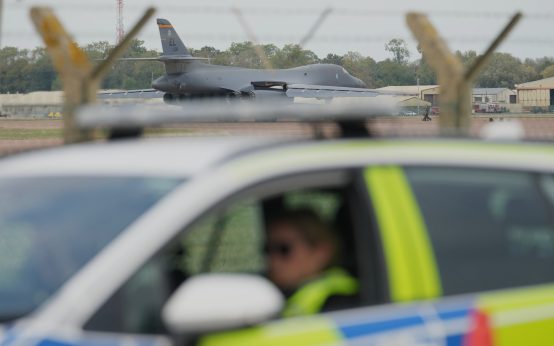 Two Men Charged for Plot Against RAF Fairford
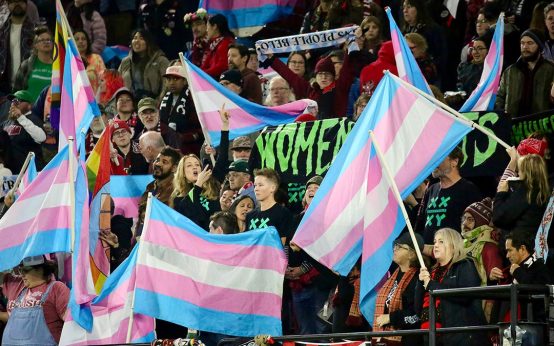 Incident Involving XX-XY Athletics Supporters at Portland Thorns Game
 Israeli Elections: Key Figures and Developments
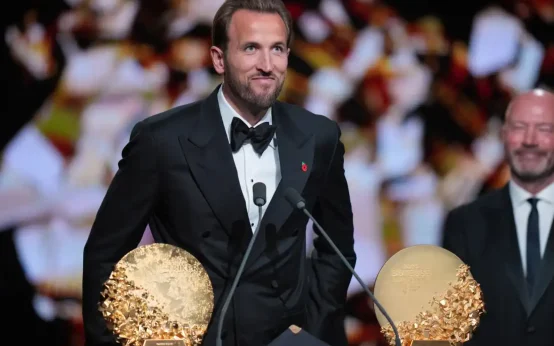 Harry Kane Wins Ballon d’Or, Alexia Putellas Secures Third Women’s Award
 Controversy Surrounds Malian National’s Deportation and Asylum Claims