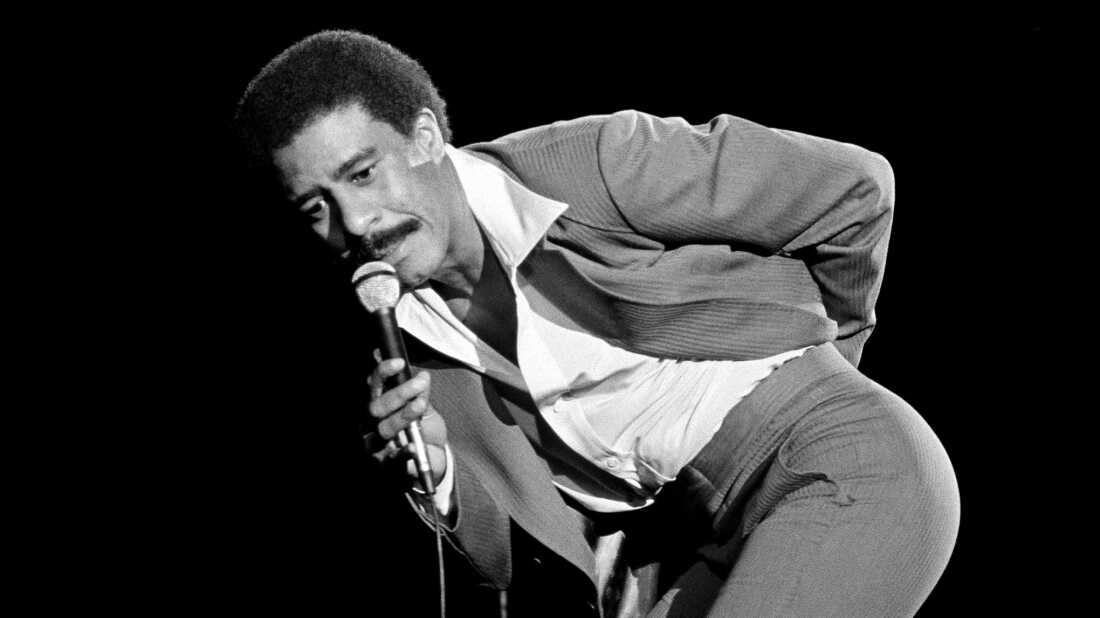
Richard Pryor, a renowned comedian, left a significant mark on American comedy with his powerful use of language. Performing at the Los Angeles Hollywood Bowl on September 19, 1977, he commanded attention with his bold style. His daughter, Elizabeth Stordeur Pryor, a historian, has deeply studied the evolution of the N-word throughout American history, covering periods such as slavery, Jim Crow, the civil rights movement, and hip-hop. What she often kept private was that her father played a crucial role in bringing this controversial word into the spotlight during the 1970s.
Elizabeth describes the complexity of her own relationship with the word, being the daughter of a Black father and a white mother. An instance in a college classroom highlighted her challenge when a student quoted the word from the film ‘Blazing Saddles’, co-written by her father. Caught off guard, she reflected on how unexpected encounters with racism affect the classroom dynamic.
Her book, “Something We Said: Richard Pryor, A Notorious Word, and Me,” provides a mix of memoir and history about the controversial word. It touches on Richard Pryor’s late decision, inspired by a trip to Kenya, to stop using the word in his acts. He understood its role in Black culture but felt it was necessary to relinquish personal use.
Interview Highlights
Elizabeth shares a significant memory of her father warning her against letting anyone label her with the N-word, despite his and his friends’ subversive use of it. This usage was seen as a language of protest and resilience within Black communities, offering empowerment rather than disrespect.
In her educational role, Elizabeth emphasizes the difficulty of discussing the word with students. She focuses on interactions and the importance of reflecting on how such discussions impact those involved.
Meeting her father for the first time at age six, in Newark, New Jersey, left a vivid impression. Despite his unconventional appearance, she immediately bonded with him, noting the warmth and connection in his eyes.
As a child, Elizabeth strived to gain her father’s attention through creative pursuits. She engaged in theater and shared intellectual insights, attempting to connect with him through these experiences. Her father’s responses included sending her thought-provoking materials like the Malcolm X documentary and ‘The Last Poets’ to deepen her understanding of her heritage.
One touching story her father shared involved winning over an audience even as a child. Wearing a cowboy suit at age five, he slipped repeatedly in front of family and sex workers, eliciting laughter each time. Despite the humor, it illustrated the lengths he went to for admiration and acceptance.
The interview, originally produced by Anna Bauman and Thea Chaloner, was adapted for the web by Bridget Bentz, Molly Seavy-Nesper, and Meghan Sullivan.
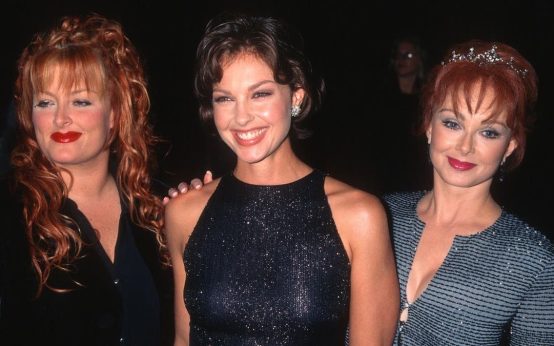 Wynonna Judd’s Candid Journey Through Family Struggles
 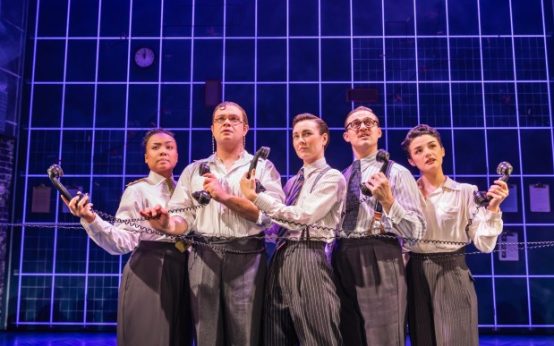 Operation Mincemeat: A Quirky Musical’s Journey from London to Broadway
 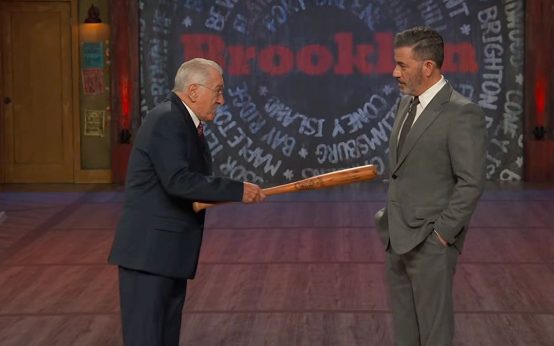 Robert De Niro on Jimmy Kimmel Live with FCC Remarks
 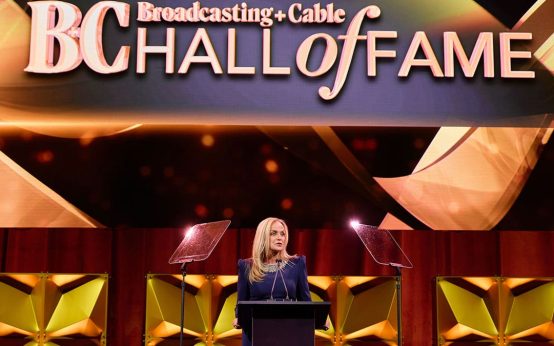 Suzanne Scott Inducted into Broadcasting+Cable Hall of Fame
  Zoe Kazan’s New Adaptation of ‘East of Eden’
 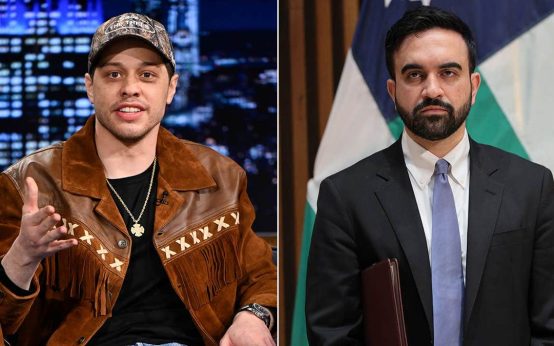 Pete Davidson Criticizes NYC Mayor Over BQE Delays