A rapidly strengthening El Niño is generating optimism for relief in the drought-affected Western United States. Forecasters caution that this climate pattern may rank among the strongest recorded, with potential widespread effects across the Pacific and North America in the coming months.
Understanding El Niño’s Impact
El Niño’s influence is typically most noticeable during the late fall and winter months. It can affect storm tracks, rainfall, and snowpack in Western U.S. regions. Its impact might extend beyond the coming winter, influencing drought conditions, water supplies, and even next year’s wildfire season.
“The chances are really good that the region will see more snow this winter.” – Paul Pastelok, AccuWeather Long-Range Forecaster
Predicting a Super El Niño
While the National Oceanic and Atmospheric Administration (NOAA) labels the most potent El Niño events as “very strong,” some refer to exceptionally powerful episodes as “super El Niño.” These occur when sea surface temperatures in the central and eastern tropical Pacific exceed average levels significantly. Such temperature changes enhance El Niño’s influence on global weather.
Projections indicate a powerful El Niño could develop, potentially matching significant historical events. Such episodes, notably in 1982-83, 1997-98, and 2015-16, impact storm tracks, temperatures, and precipitation globally.
Timing of El Niño’s Effects in the U.S.
Though El Niño originates in the tropical Pacific, its U.S. impact primarily emerges in the fall and winter. Meteorologists expect observable shifts in weather patterns as the jet stream adjusts. December to February often shows the clearest effects, though El Niño does not guarantee specific weather outcomes but alters the likelihood of certain patterns.
Western U.S. Weather Expectations
A strong El Niño could lead to wetter and snowier conditions in parts of the Western U.S., benefiting drought-stricken regions, particularly in California and the Southwest. More storm systems could replenish critical mountain snowpack.
Colorado and Utah hope for a better snow season. Last winter’s poor conditions affected snow levels and water runoff. Forecaster Paul Pastelok indicates favorable odds for increased snow this winter, although predictions remain uncertain.
Impact on Colorado River and Water Levels
El Niño might enhance water levels in the Colorado River and reservoirs like Lake Mead and Lake Powell. However, decades of water overuse and ongoing aridification mean one wet year cannot address long-term water challenges. Potentially wet winters could improve conditions, but lasting solutions require addressing over-allocation and consumption.
“We are never going to see a year where this magically goes away.” – Daniel Swain, Climate Scientist
Swain suggests potential precipitation increases in Lower Basin states due to El Niño. Yet, possible discrepancies between Upper and Lower Colorado River Basin states could affect regional relief.
Influence on Wildfires
El Niño might saturate the Southwest, including Southern California and Arizona. While beneficial in some aspects, increased moisture could exacerbate next year’s wildfire season. Conditions termed “wet-to-dry whiplash,” where abundant vegetation growth from wet periods dries out in hot, dry conditions, may elevate fire risks.
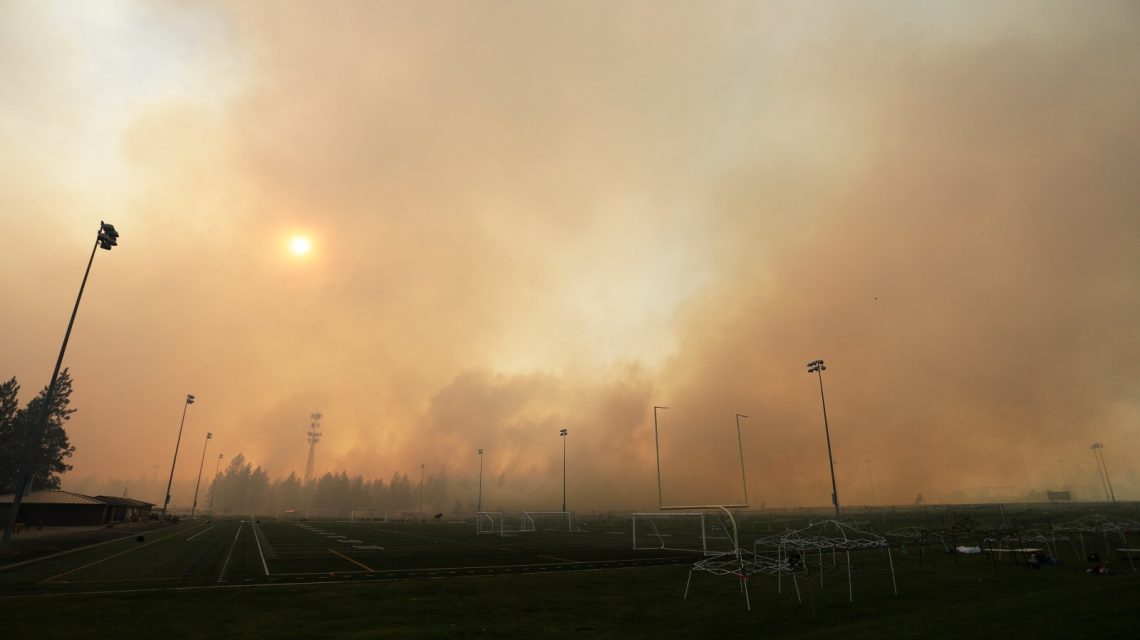
A strong El Niño followed by a La Niña phase could raise summer heat and dryness, increasing wildfire activity, particularly in new areas. Additionally, El Niño could prolong the current fire season in the Pacific Northwest, which is already witnessing severe fires.
The Editors of Newsweek have been contacted for additional insights. Contact: Samantha Beech and Edward T. Cummins.
 Record Capture of Reticulated Python in Puerto Rico
  Controversy Over Tree Removal at East Potomac Golf Links
  West Virginia’s Nuclear Campus Proposal Faces Local Opposition
  Texas Data Centers Face Scrutiny Over Water Use Reporting
  First U.S. Offshore Mining Lease Sale Announced
  Changing Colors: Impact of El Niño on Midwest Trees and Agriculture