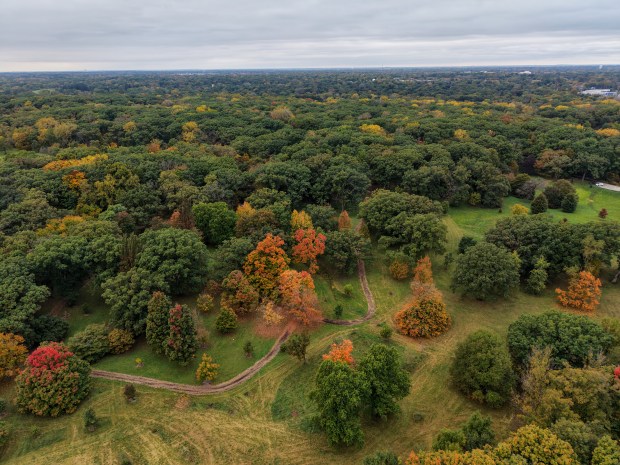
Janet Cole, a resident of Downers Grove, frequently finds herself captivated by the trees at The Morton Arboretum. Despite owning a substantial collection of photographs, an amur corktree’s vibrant leaves recently prompted her to snap more pictures. ‘I wanted to see its beautiful yellow colors,’ she shared. Cole, 75, has volunteered at the arboretum for six years, engaging in activities from weeding to assisting at events.
Cole often cycles around the arboretum, answering visitor questions. Though typically too cold for winter biking, she anticipates this year’s warmth may allow continued cycling. Abnormally high temperatures not only delay the color change of many tree leaves but also pose potential health risks for plants across the Midwest and organisms in the Great Lakes.
Above-average Temperatures Predicted
The National Oceanic and Atmospheric Administration expects above-average temperatures due to El Niño, a natural weather phenomenon. Illinois state climatologist Trent Ford explained that while El Niños don’t reliably predict precipitation, they significantly influence temperature forecasts. The Great Lakes region faces a 70% likelihood of experiencing warmer-than-usual temperatures from December through February.
According to Michael Jesiolowski, The Morton Arboretum’s plant clinic manager, temperature is crucial for leaf color changes. Typically, leaves shift colors as temperatures dip below freezing. Though October lows hovered around 45 degrees, predictions suggested a drop into the low 40s and high 30s. Historically, October sees maples and oaks showcase their brightest colors in mid to late October in Chicago.
Impact of El Niño on Trees and Crops
Jesiolowski noted that while delayed foliage might mean extended color displays, factors like precipitation and sunlight influence this. His insights reflect broader concerns surrounding El Niño, recognized as a significant climate factor. This year, experts anticipate a historically strong El Niño, influencing weather worldwide, including warmer temperatures in Illinois and surrounding areas.
David Zaya from the Illinois Natural History Survey mentioned that El Niño years tend to see improved corn and soybean yields, attributed to lengthier growing seasons. Conversely, mild El Niño winters heighten pest and weed populations, impacting crops.
Kelly Estes, an entomologist at the University of Illinois, warned of increased pest survival into spring. For weeds like marestail, milder winters could lead to earlier infestations, complicating crop management. Though treatments exist, increased herbicide use risks affecting nearby natural environments. Zaya’s study found visible herbicide damage in 99% of Illinois natural areas he examined.
Environmental Concerns and Planning
Invasive plants, such as the Japanese chaff flower, thrive in mild conditions, spreading quickly and overshadowing native plants. Additionally, warmer winters affect aquatic life, with harmful algae blooms threatening Great Lakes ecosystems. Research led by Casey Godwin at the University of Michigan identified El Niño as a key driver of algal growth, comparing its impact to the exponential growth of interest rates.
Godwin highlighted threats to lake whitefish eggs, which need ice for protection against water turbulence. Without sufficient ice, eggs are vulnerable.
Local Considerations and Gardening Tips
While global challenges include flooding and droughts, Ford emphasized that Chicago and the Midwest expect only mild impacts. However, warmer temperatures may challenge local plants to maintain moisture. Homeowners should water deeply once a week to encourage deeper root growth, Jesiolowski suggested, along with applying mulch and leaf litter to gardens.
This ‘Leave the Leaves’ practice helps retain moisture in the soil. At The Morton Arboretum, as temperatures start to drop, the foliage approaches its seasonal peak. Cole remains patient, finding inspiration and a refreshing distraction amidst global events through the transformative beauty of nature.
 Chicago Faces Bird Collision Crisis During Fall Migration
 Helium Shortage: Impact and Future Prospects
 Congressman Gallagher Urges FBI to Combat Illegal Marijuana Operations in Northern California
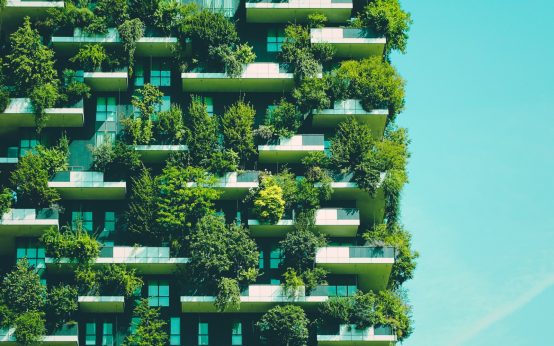 Proximity to Green Spaces Linked to Reduced Dementia Risk in Older Adults
 Halloween Weather Forecast Predicts Chilly Conditions and Possible Snow
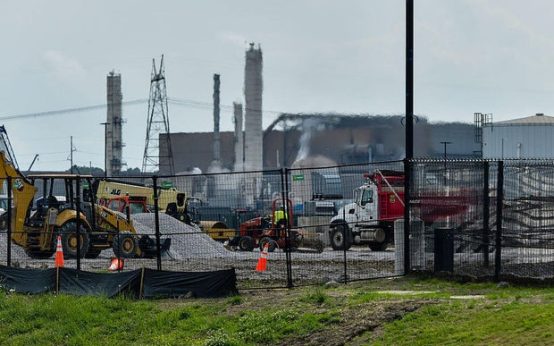 Memphis City Council Votes on Data Center Development Moratorium