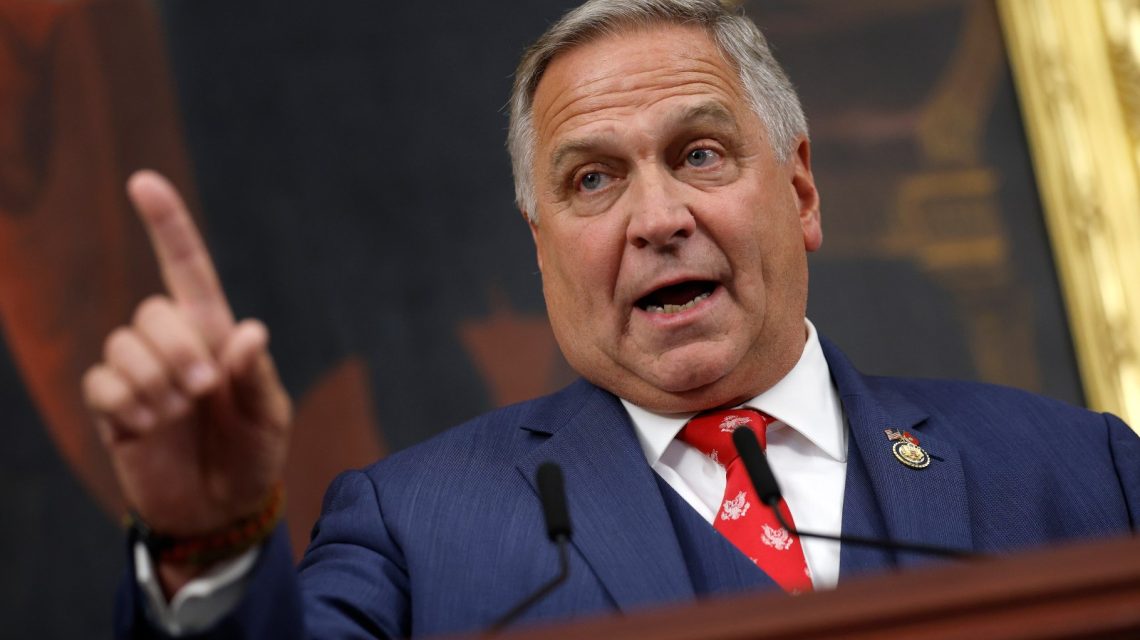
The House of Representatives halted the vote on the Take Care of America’s Veterans Act on Thursday morning, creating an uncertain outlook for a legislative package poised to be the most significant expansion of veterans benefits in over a decade. Republican leaders withdrew the bill due to increasing resistance from lawmakers and veterans’ groups. They expressed concerns that expanding some benefits could undermine future disability payments for veterans with conditions like tinnitus and sleep apnea.
The bill, proposed by House Veterans’ Affairs Committee Chairman Mike Bost of Illinois, aimed to enhance benefits for disabled veterans, military survivors, caregivers, and families. It also proposed adjustments to veterans’ healthcare and compensation programs. Bost remarked earlier in the week, “We have found a pathway to finally get these benefits and transformations done for the first time in years. It is fiscally responsible to do so.”
However, before the scheduled vote, the legislation became one of the most contentious veterans bills to come before the House floor in recent years. It divided major veterans organizations and met with strong opposition from Democrats concerning the bill’s funding approach for new benefits.
Why It Matters
The bill contains provisions with bipartisan support that have been delayed for years over funding disagreements. Lawmakers intended the Take Care of America’s Veterans Act to push forward numerous long-standing veterans priorities in a unified package. Opponents argue, however, that extending certain veterans benefits should not diminish or limit future benefits for other disabled veterans.
What to Know
Known formally as H.R. 9237, the bill proposes amendments to federal veterans laws to enhance benefits and VA operations. Its sections cover compensation, survivors benefits, claims processing, disability ratings, and healthcare administration. Alex Beene, a financial literacy instructor at the University of Tennessee at Martin, commented, “Some have attempted to label the Take Care of America’s Veterans Act as either ‘pro-veteran’ or ‘anti-veteran,’ but the reality is there’s more under the surface. If the House approves it in its current form, the long-term impact could be mixed.”
Key Provisions
- Major Richard Star Act: This main component of the package allows approximately 50,000 combat-injured veterans to receive both military retirement pay and VA disability pay without reductions. Despite bipartisan support, it has faced challenges due to its projected multibillion-dollar cost.
- Love Lives on Act: This aspect would broaden benefits for military widows and widowers who remarry, a long-standing goal for veterans advocates.
- Additional Benefits Expansions: The package features caregiver support, mental health initiatives, claims-processing reforms, among other policy changes for veterans.
Funding Controversy
The most significant point of contention lies with the funding of the new benefits, which involves imposing future changes to VA disability compensation for tinnitus and sleep apnea. These conditions constitute large categories of VA disability claims. Opponents argue that it might decrease compensation for veterans rated for these conditions.
Democrats, including House Veterans’ Affairs Committee Ranking Member Mark Takano of California and Senate Veterans’ Affairs Committee Ranking Member Richard Blumenthal of Connecticut, criticize the bill’s funding strategy. In an op-ed for Fox News, they wrote, “The Republican insistence on offsetting new investments in veterans is both absurd and cruel. The cost of war includes the human cost of caring for our veterans. We make a promise to care for these men and women after their service, and a great nation keeps its promises.”
Proponents of the bill argue that VA officials have been contemplating changes to tinnitus and sleep apnea ratings. If Congress does not act, the anticipated savings would return to the Treasury instead of redirecting to veterans’ programs. Cole T. Lyle, American Legion’s national director of legislative affairs, emphasized, “The changes to sleep apnea and tinnitus will go into effect regardless, and we will have lost the opportunity to find a ‘pay for’ that is palatable and feasible under the congressional budget rules.”
Veterans Groups Divided
The debate has split major veterans service organizations. Among supporters are the American Legion, Wounded Warrior Project, Elizabeth Dole Foundation, and over 20 advocacy groups, viewing the bill as the best chance in years to achieve comprehensive veterans priorities.
Nevertheless, opposition remains strong from groups such as Disabled American Veterans (DAV), Veterans of Foreign Wars (VFW), Iraq and Afghanistan Veterans of America, and Paralyzed Veterans of America. They oppose the proposed funding offsets, with Beene explaining, “Some veterans would gain benefits they’ve been wanting for years, but future veterans with tinnitus or sleep apnea claims could see reduced compensation. Some veterans groups are not necessarily rejecting every benefit in the bill, but they are arguing one set of benefits shouldn’t be paid by reducing another.”
What Happens Next
The prospects of the Take Care of America’s Veterans Act remain uncertain after House Republicans withdrew the legislation from the floor on Thursday. This action could eliminate the possibility of its passage before the summer ends.
Kevin Thompson reflected on the situation, “The pushback has been fierce because many veterans believe the government is changing the deal after the fact. When someone volunteers to serve, there is an expectation that the benefits promised will be honored. If those promises can be rewritten years later, it raises legitimate questions about the government’s long-term commitment to those who serve.”
 The War on Poverty: A Lesson on Intentions and Outcomes
  Reporters Blocked from White House by Trump Administration
  Universities Should Reject Political Influence on Research Funding
  Trump’s Approach to China: Trade Dynamics and Challenges
  Media Outlets Sue After White House Ban
  American Public Opinion on Press Freedom