When a loved one passes away, sorting financial matters often adds stress to the grief of the loss. You might face decisions about closing bank accounts, filing insurance claims, and dealing with final bills. If the deceased had unpaid debt, it compounds the burden. Today, many people carry high levels of household debt, and credit card balances are often a concern for surviving family members.
Once you receive a credit card bill in a deceased person’s name, you may wonder who is responsible for it. The answer varies based on several factors. Before settling any debts, you need to know what happens to credit card debt upon death, who might be responsible for it, and the consequences if these balances go unpaid.
What Happens to Unpaid Credit Card Debt?
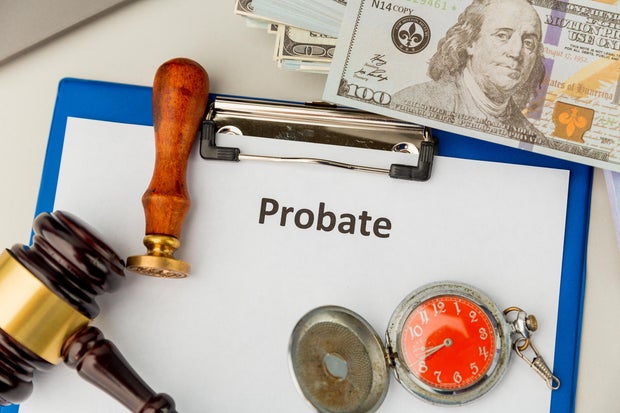
Typically, the estate of the deceased handles any remaining credit card debt. An estate includes assets like bank accounts, investments, vehicles, and real estate. During probate, an executor or administrator pays off valid debts from these assets before distributing any inheritance. Here’s what happens if credit card balances remain unpaid:
Creditors May Claim the Estate
When a person dies with outstanding credit card debt, creditors generally file claims against the estate during probate. The executor evaluates these claims and uses estate assets to satisfy them following state laws. If the estate can cover the debts, they are settled before heirs receive their inheritance. This means the debt is managed through the estate, not by immediate payment from family.
Collection Efforts Might Continue
If no payments are made after the death, creditors might contact the estate’s representatives to seek payment. Federal laws regulate how debt collectors can communicate post-death, but they can still reach out to executors or administrators. Ignoring such communications could complicate probate. Executors must verify claims and be aware of deadlines before acting.
Debt May Go Unpaid If Assets Are Lacking
Many estates are insolvent, meaning they lack enough assets to meet obligations. In these cases, creditors might receive partial payments or none at all. Unsecured debts like credit cards are often lower priority compared to taxes or secured loans. Creditors cannot pursue family members simply due to relation if there are no estate assets left.
Who Might Still Be Responsible?
Generally, family members do not inherit credit card debt. However, there are exceptions. A surviving joint account holder might remain liable. Co-signers on debts may also be responsible. Some states with community property laws could hold spouses accountable for certain debts. Yet, being a relative like an adult child or sibling usually does not impose personal liability.
Managing Estate Debts
If a deceased person’s estate faces significant debt, it’s crucial to explore all options before making payments. Executors should inventory assets and liabilities first. In cases of insolvency, creditors might negotiate reduced payments. They may accept partial payments rather than forfeiting the entire balance. This can facilitate productive settlement discussions.
Surviving spouses struggling with both inherited responsibilities and personal debt might consider debt solutions like settlement, consolidation, or credit counseling to alleviate financial pressure. Probate laws differ by state, and estate matters can be complex. Consulting an estate attorney or financial professional helps navigate these challenges correctly, ensuring that creditors are managed properly.
In essence, creditors usually claim repayment from the estate, not family members. If the estate holds sufficient assets, they might be used to pay off debts before heirs receive their share. If not, the debt can go unpaid. Knowing these rules protects families during challenging times.
 Potential Impact of Tropical Storm Polo on Southern California
  Shooting Incident at South Los Angeles Senior Assisted Living Facility
  Legal Challenges in Pursuing a Wrongful Death Claim Against Utah Valley University
  Man Arrested After Fatal Stabbing on Chicago’s South Side
  Debate Over ICE Action in Austin Escalates
  Fatal Car Crash in Grand Rapids Involving ICE Agents