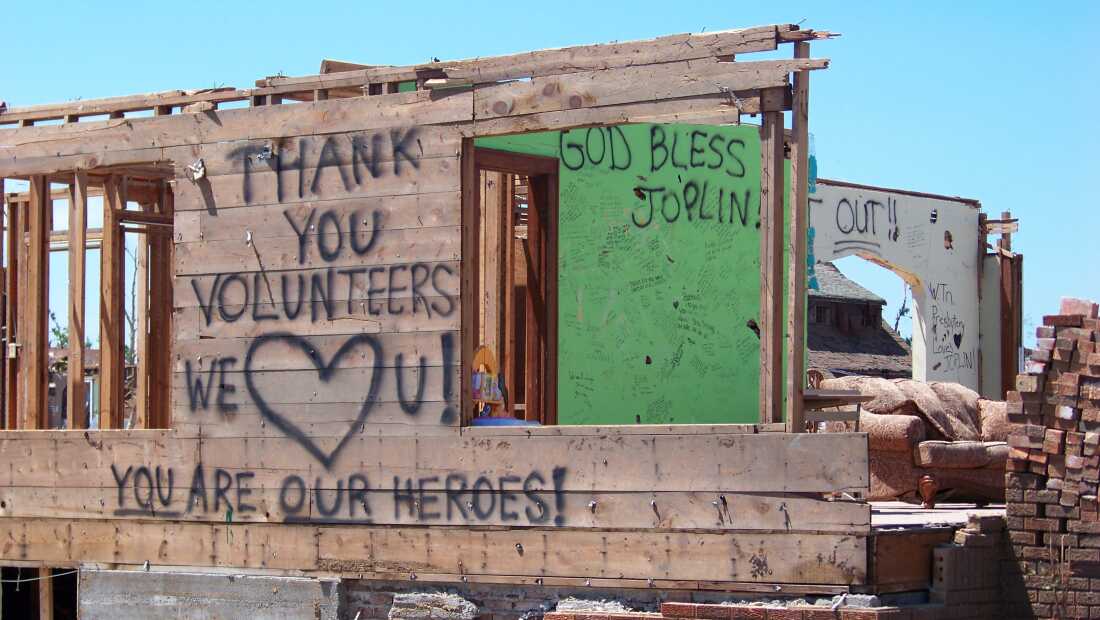
In the wake of the tornado’s destruction in Joplin, Missouri, thousands of volunteers poured in from across the nation. They came to help, and on a damaged house, many scribbled messages of hope. The residents later reciprocated this kindness with a heartfelt thank-you to the volunteers.
Nanda Nunnelly faced the tornado’s wrath upon returning home from a weekend trip on May 22, 2011. She described the ominous green sky before seeking shelter with her husband and dog in a closet. The noise was so overwhelming that it seemed silent. She prayed for a painless end, fearing the 200 mph winds might claim her. Although Nunnelly survived, her home lay in ruins, and a third of Joplin’s population was displaced. The tornado, with its three-quarters of a mile width, ranks among the deadliest in U.S. history, claiming nearly 160 lives. However, Joplin gained recognition for the widespread compassion and cooperation that fueled its recovery.
Within months, Joplin’s resilience was notable. Nearly 100,000 volunteers from almost every state helped clear debris and rebuild. Columbia University researchers highlighted the absence of polarization or political strife six months post-tornado. Schools resumed as scheduled in the fall.
Darren Fullerton, who managed a Red Cross shelter at Missouri Southern State University, recalled numerous acts of kindness amid chaos. Ranchers grilled steaks for volunteers, and a university dean, despite losing his home, organized emergency shelter cots. Even clowns entertained children with balloon figures. “People emerged to help,” Fullerton shared.
Clearing debris became a priority, deploying government contractors, private sectors, voluntary agencies, faith groups, and citizens alike. Former vice-mayor Melodee Colbert-Kean commented that the recovery erased societal silos. “It didn’t matter your background,” she expressed. “You saw a need and addressed it.” Social psychologist Jamil Zaki refers to this as “catastrophe compassion.” In crises, kindness burgeons, overshadowing social divisions.
Zaki explained this phenomenon, saying disasters defy the belief they spur self-centered behaviors such as looting. Instead, they foster unity among survivors, creating bonds through shared experiences. “In crisis, you’re suddenly part of a new tribe,” remarked Zaki.
During the tornado’s tumult, Nunnelly watched glass fragments dance, reminiscing about a childhood grievance. She resolved to apologize to a bullied schoolmate through social media, driven by the tornado’s brush with mortality. This led Nunnelly to join a community center board that shelters the homeless during severe weather.
Nunnelly’s endeavors mirror a psychological concept called “altruism born of suffering.” Zaki explained that undergoing hardship, especially when aided by others, can instill later benevolence. Examples include former addicts aiding in rehabilitation or veterans supporting fellow soldiers.
Volunteer efforts were persistent. Jane Cage remembered church groups cutting fallen trees and Harley Davidson riders buying supplies for local children. Such memories forge a shared identity among Joplin’s survivors, fostering a unique bond. Yet, research warns these “altruistic communities” can fade after intense trauma subsides. Drury advocates sustaining solidarity through group engagements and commemorations.
Post-storm, Joplin channeled philanthropy into an ongoing initiative, One Joplin, to assist the working poor and push for affordable housing. Nicole Brown, executive director, noted, “It maintains a sense of community, seeking a better future for all.”
Minister Jay St. Clair repositioned his church as a shelter during the disaster. Today, he continues community service, emphasizing that the hardship illuminated unseen needs, shifting focus to address them.
Zaki’s ongoing research disproves the notion that disasters breed unkindness. During the COVID-19 pandemic, he found acts of kindness globally increased. “Disasters often reveal our core,” Zaki stated, “and often, that’s dazzling.”
Pauline Bartolone, a journalist in San Francisco Bay, is recognized by UC Berkeley’s initiatives to promote kindness.
 ICE Officer’s Shooting of Venezuelan Driver Without Body Camera Raises Concerns
 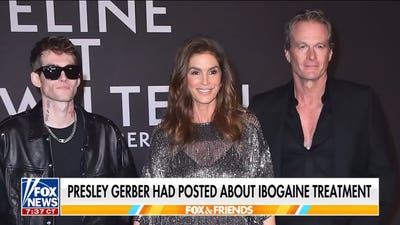 Cindy Crawford’s Son, Presley Gerber, Dies in Rehab
 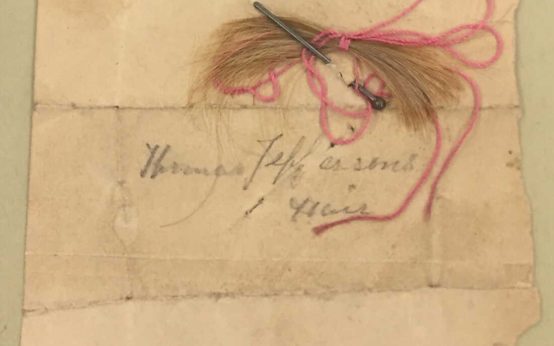 DNA Investigation Confirms Thomas Jefferson’s Lineage
  Benito Juarez Community Academy Students Celebrate Día de los Muertos Through Art
  Navigating Relationships with Inconsistent Communication
  Historical Highlights of September 22 in Chicago