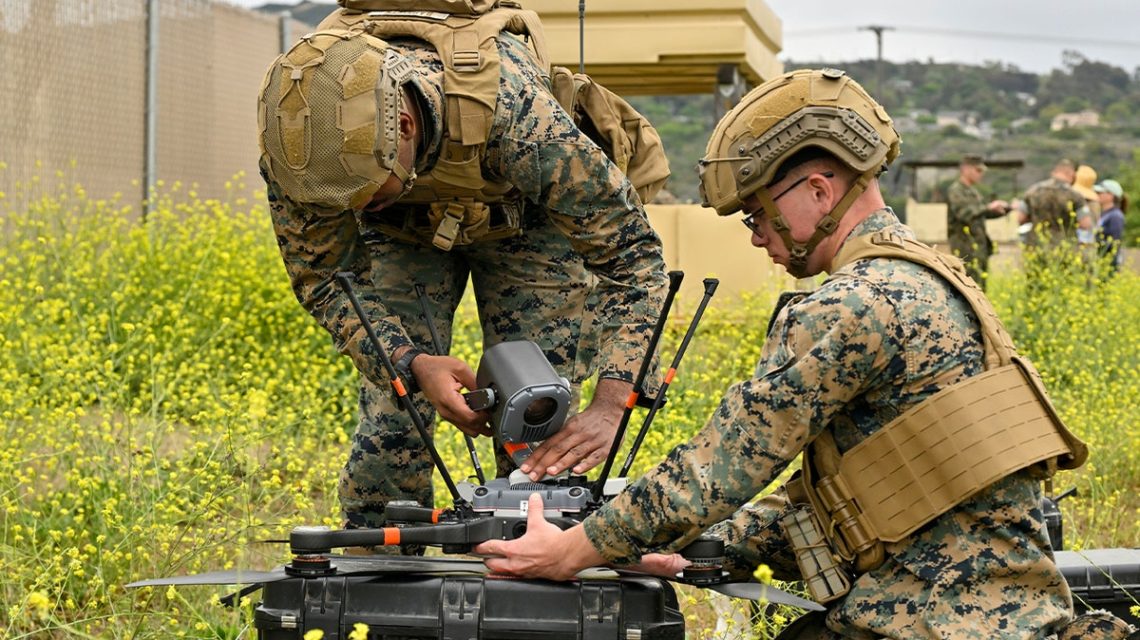
Current Tensions and Historical Context
The White House recently warned Iran against escalating violence as both U.S. and Iranian forces agreed to a temporary stand-down before talks in Qatar. The ongoing tensions with Iran remind many of past global conflicts and their unresolved nature. Retired Navy fighter pilot Matthew ‘Whiz’ Buckley also discussed recent CENTCOM strikes.
Revisiting Historical Military Engagements
War is a persistent concern, especially for those with military backgrounds. Historical engagements like World War I and II demonstrate how wars have reshaped global hierarchies, leaving a lasting impact on societies. In 1984, George Orwell emphasized how continuous conflict can normalize war, resembling a chronic condition that nations attempt to manage.
Congressional Authority and Legislative Action
One member of Congress reflected on their decision to vote for the repeal of the 2002 authorization for military force in Iraq. Marking a historic moment, this was the first successful repeal of such an authorization. Efforts continue with proposals to ensure future authorizations are re-evaluated every five years. These initiatives aim to refine and redefine military objectives post-presidential military action.
The Role of Congress in Declaring War
The U.S. Constitution clearly states that only Congress can declare war. In 1973, the War Powers Act allowed the president some authority for limited military engagement. However, when the timeline for such authority ends, Congress must deliberate on continuing any military effort. There is a strong urge to ensure rigorous constitutional scrutiny over decisions that involve American lives.
Understanding the Human Cost of War
The decision to engage in military conflict carries significant human costs. A growing perception suggests that advanced technology might allow wars to be fought without direct impact on a large portion of the population. Yet, for many Global War on Terror-era veterans, the effects are profound. Countless soldiers have been lost to both combat and suicide, impacting the lives of those who served and their families.
The Importance of Clear Military Objectives
Military veterans stress the importance of having well-defined objectives to prevent mission creep and avoid prolonged conflicts. Learning from past mistakes, it’s critical for Congress to engage in debates on the use of military force. Setting clear missions helps ensure decisive actions, minimizing unnecessary loss.
“When we do need to use military force, a clearly defined mission allows for overwhelming force to defeat the enemy quickly and decisively.” – Tom Barrett
 Trump’s Approval Rating Decline in Beef-Producing States
  Improving the Transparency of Public Records
 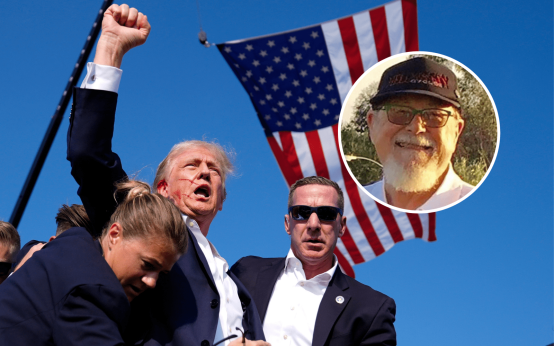 Death of Jim Copenhaver Brings Attention to Butler Rally Security Issues
  Republican Senator Proposes Major Overhaul of U.S. Immigration System
  Upcoming Changes to SNAP and Medicaid Set to Impact Millions of Americans
  AI Concerns Emerge Amid High-Level Discussions and Industry Warnings