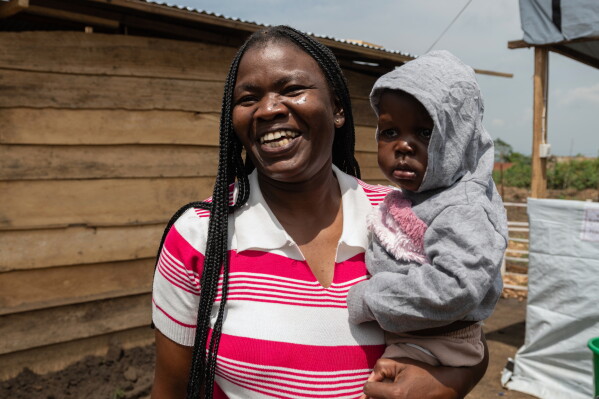
In Bundibugyo, Uganda, whenever Ebola emerges, those afflicted often face a choice. Some opt for the nearest hospital, while others turn to the shrine of a traditional healer, which frequently leads to dire outcomes. Many perceive hemorrhagic fever as a spiritual issue and prefer herbs and prayers over hospital visits. This is currently happening in Congo, which is experiencing its seventeenth Ebola outbreak since 1976, the year the virus was first identified in the Congo Basin. Five decades on, the virus still confounds many in Africa, turning religious leaders into critical responders during emergencies.
This outbreak’s victims include health workers without protective gear, as well as pastors and congregants who gathered during the spread of Ebola, according to humanitarian workers and others who spoke to The Associated Press. Ebola transmits through close contact with the bodily fluids of sick or deceased individuals. The spread is concerning, especially in regions where mistrust in health workers prevails, leading many to avoid medical care.
In Bunia, a town in Ituri province and the outbreak’s epicenter, misinformation about Ebola complicates the response. The outbreak has claimed at least 181 lives. Rumors persist, including one about Ebola being spread through magical charms tied to dollar bills dropped in latrines. Onesphore Bangenza from the aid group Mercy Corps noted, ‘Some describe Ebola as mysterious or spiritual, instead of a medical condition needing hospital treatment.’ Mistrust leads many to traditional healers before seeking formal medical care.
The current outbreak is linked to the Bundibugyo virus, a rare Ebola strain with no approved medicines or vaccines. Armed violence and displacement plague this remote Congolese area. This outbreak was confirmed on May 15. Experts believe initial infections might have surfaced in February, as health officials initially tested for a different Ebola virus. The World Health Organization (WHO) promptly declared it a public health emergency of international concern. The U.S. government has temporarily banned entry to individuals without U.S. passports who recently visited Congo, Uganda, or South Sudan.
In affected communities, many seek spiritual explanations for the outbreak. Humanitarian workers urge religious authorities to aid in combating Ebola. A video shared in Ituri featured a catechist leader recently cured in Mongbwalu speaking about a critical mistake. Deogratias Kasereka initially tried self-recovery until his children urged him to seek medical help. His symptoms included muscle weakness, headaches, and a fever. In advanced stages, Ebola causes internal and external bleeding. These distressing symptoms sometimes drive victims to seek private help from traditional healers, according to Vincent Isimbwa, a Seventh-day Adventist elder.
Isimbwa recalled how the first-ever Bundibugyo outbreak in 2007 devastated the community, killing at least 36 people. He noted the difficulty of associating the Bundibugyo virus with their district, a mountainous farming region. The stigma, mistrust, and limited medical options prompt some to consult healers. Samuel Kuule, a Ugandan nurse from that outbreak, discussed his confusing symptoms that initially seemed like food poisoning. Though others turned to healers, he stayed in a hospital, protected by his faith.
Many locals recall an early 2007 victim who sought a traditional healer after a grueling journey. The healer, Amon Balinda, survived but lost three sons to the virus. Following this, he shifted from prayer to herbal remedies upon learning about the outbreak. In African traditional societies, when hospital treatments fail, some locals turn to healers, fearing witchcraft. Ebola outbreaks often arise from the virus crossing from infected animals, like fruit bats, to humans. This transmission frequently happens through handling or consuming wild meat.
The WHO emphasizes early Ebola testing and contact isolation. However, deep-rooted religious practices, especially among Christians and traditional believers, challenge efforts. Traditional burial customs persist to ensure afterlife peace. Expectations for healing miracles burden religious and traditional leaders. Ugandan President Yoweri Museveni criticized religious leaders in a televised address, urging them to avoid direct contact with the sick during Ebola outbreaks. He mentioned WHO chief Tedros Adhanom Ghebreyesus’s visit, highlighting that many Congolese victims are religious individuals, saying, ‘The pastors, the pastors, the pastors.’ Museveni emphasized that prayer doesn’t require physical contact.
—
The Associated Press further supports religion coverage through collaboration with The Conversation US, with funding from the Lilly Endowment Inc. The AP retains full responsibility for the content.
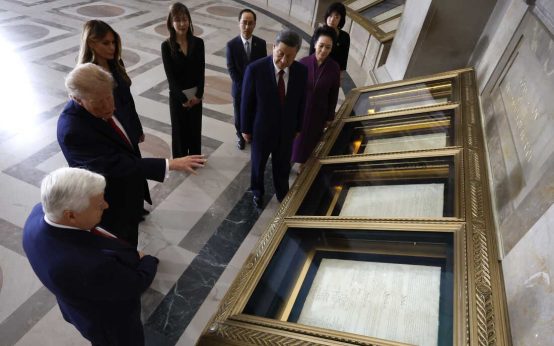 Historical Discrepancies and Diplomatic Sensitivities in U.S.-China Relations
 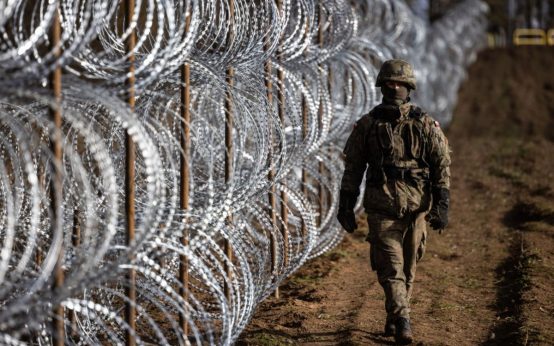 Escalating Tensions: Russia’s Nuclear Threat and the Kaliningrad Conundrum
 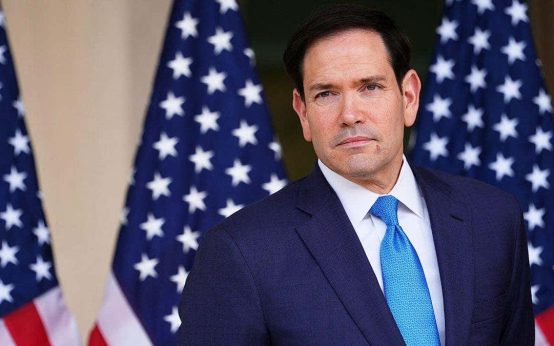 Marco Rubio Discusses Thwarted UK Terror Plot and Global Threats
 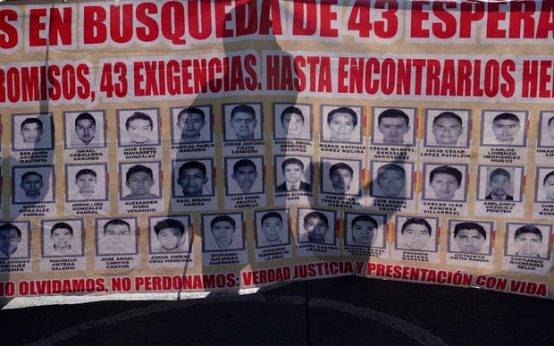 New Leads Emerge in 2014 Ayotzinapa Student Disappearance Case
 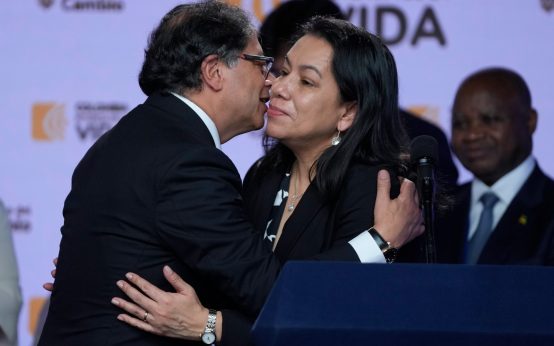 Concerns Over U.N. Secretary-General Candidate’s Alignment
 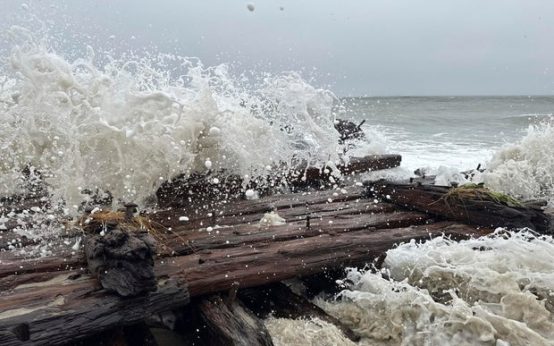 Possible Shipwreck Exposed After Nor’easter in Nantucket