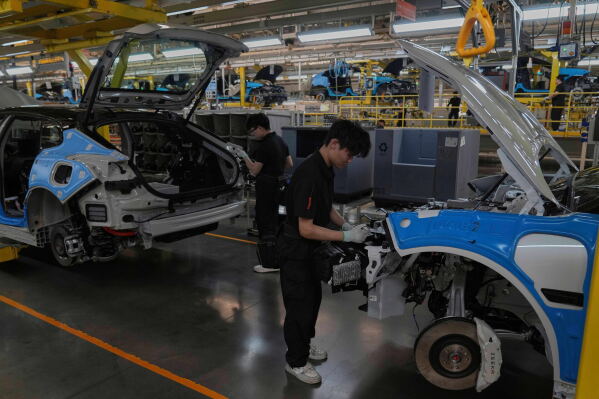
The Bolivian President, Rodrigo Paz, submitted a legislative proposal aiming to enhance legal security and draw foreign investments. This move is part of an anticipated set of laws designed to tackle Bolivia’s economic crisis.
Industries in Bolivia have called for such a structural measure to revamp the nation’s image following nearly two decades of leftist governance. The Minister of Economy and Public Finance, José Gabriel Espinoza, highlighted the goal of this initiative: providing security and predictability for investors, while streamlining numerous scattered incentives and legal norms.
The proposal centers on three key pillars. These will guide economic priorities for the next 20 years. Focus areas include logistics, artificial intelligence, digital economy, innovation, and alternative energies like hydrogen and solar power. This marks a shift from previous leftist economic models that emphasized state investment and nationalized sectors such as hydrocarbons, telecommunications, and electricity.
For nearly 20 years, property rights and constitutional guarantees have been compromised without real consequences,said Espinoza.
Espinoza elaborated on plans to create a system of incentives and regulations. This system aims to ensure predictability, security, stability, and investor confidence, adhering to the Political Constitution of the State. Additionally, the formation of the National Investment Agency will facilitate coordination among institutions and local authorities to ensure organized investment attraction strategies.
Gonzalo Morales, President of the National Chamber of Industries, emphasized to Red Uno TV that restoring investor confidence in Bolivia is crucial. He stressed the need for legal security and regulatory predictability. According to the Economic Commission for Latin America and the Caribbean, Bolivia secured $620 million in foreign direct investment by 2025, accounting for 0.3% of the regional total.
Paz faces a fragmented Legislative Assembly as he negotiates these reforms. He recently distanced himself from his former ally, businessman Samuel Doria Medina, leader of the Alliance Unity. Some parliamentarians did not follow Medina and intend to monitor these new measures closely.
Medina criticized the slow response to the economic crisis, which intensified due to over 50 days of antigovernment protests and blockades. The crisis is evident in ongoing fuel shortages, especially diesel. Despite this, Paz garnered over $5 billion in international support and loans from global organizations.
 Partisan Divide Over Student Loan Interest Proposals
 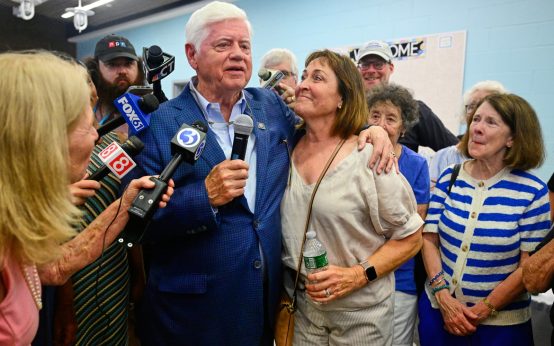 Generational Shift in Democratic Primaries Reflects Party’s Evolving Dynamics
 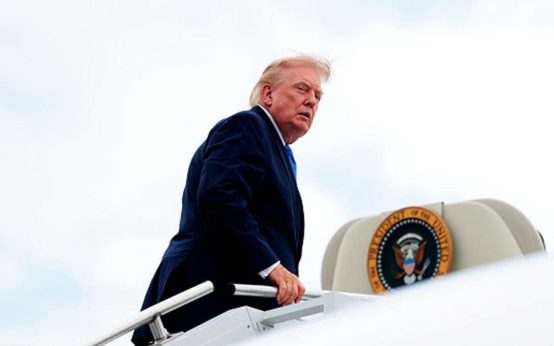 WHCA Addresses Concerns Over Trump’s Secret Plane Switch
  NYPD Won’t Provide Security to Mayor’s Wife Traveling to Middle East
  Trump Administration Charges 11 in Green Card Marriage Fraud Scheme
 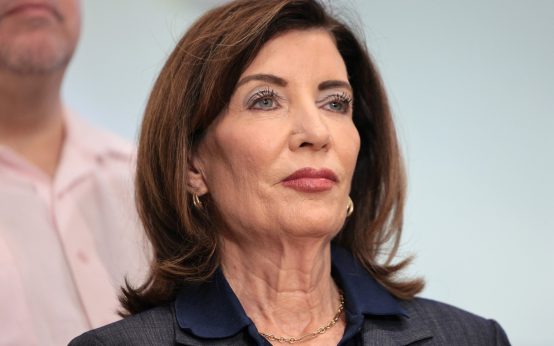 New York Governor Race Tightens as Bruce Blakeman Gains Ground