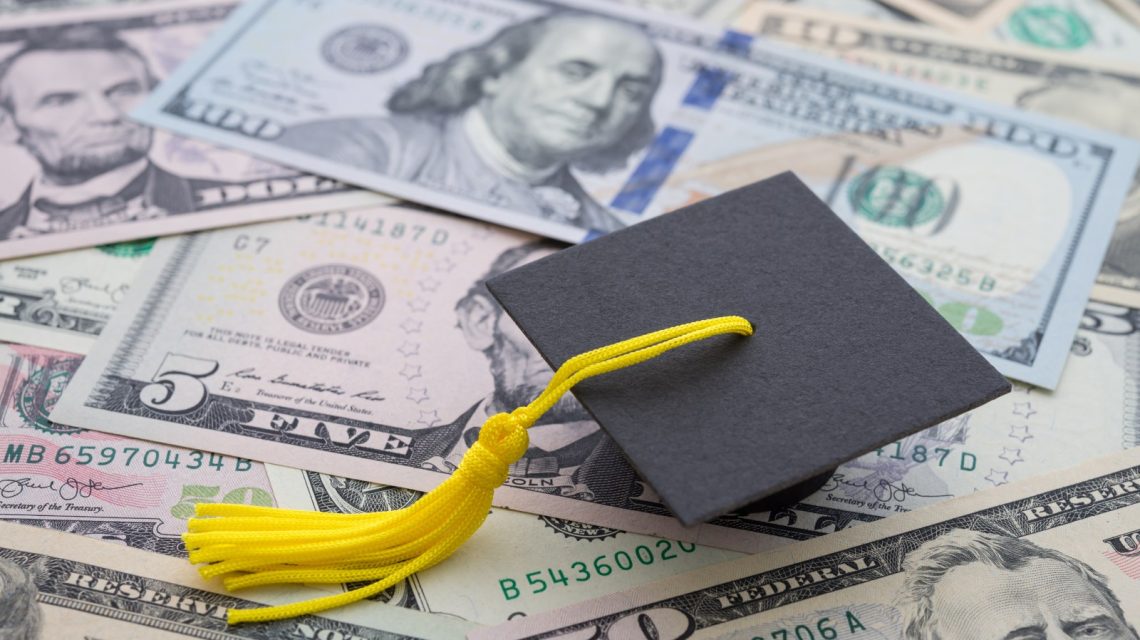
Proposed Changes to Federal Student Loan Interest Rates
A predominantly Republican group of lawmakers has introduced a proposal in the House to significantly lower federal student loan interest rates to 2 percent. This measure aims to save borrowers substantial amounts over the duration of their loans. Although the proposal has garnered support from Republicans and a single Democrat, unexpected opposition arises from Democrats who advocate for a competing plan offering more extensive relief.
The Significance of the Debate
This disagreement marks a rare division in student loan policy. Republicans propose an assertive reduction in interest rates, while Democrats suggest eliminating interest altogether for greater borrower relief. This debate could notably influence the future financial burden for roughly 43 million Americans holding federal student loans. As the Biden-era SAVE repayment plan ends and Republicans implement significant changes, the student loan landscape is rapidly evolving.
Details of the Republican Proposal
H.R. 2003, known as the Affordable Loans for Students Act, intends to lower federal student loan interest rates to 2 percent. The bill’s main advocates include Representative Michael Lawler, along with Representatives Anna Paulina Luna and Jared Moskowitz. However, Democratic support is limited as they favor the Student Loan Interest Elimination Act, which proposes a 0 percent interest rate for federal student loans and refinancing options for current borrowers.
Financial expert Michael Ryan emphasizes that while lower rates sound appealing, the real issue lies in the timing of borrowing caps set on July 1 and the cessation of the SAVE plan. Once a 2 percent cap is established, discussions on interest rates could be stagnant for the next decade, leaving existing borrowing limits unaltered.
Differences in Legislative Approaches
Both the Republican and Democratic proposals aim to decrease borrowing costs but through differing methods. The Republican-led H.R. 2003 would amend federal laws to implement a 2 percent interest rate and adjust many existing loans to reflect this lower rate. The bill has gained attention through a discharge petition headed by Luna, who seeks to secure a House floor vote by gathering a majority of House member signatures.
The American Enterprise Institute estimates the plan could add at least $30 billion annually to federal expenses, which remains a concern for critics. Democrats have their reasons for withholding support, citing political ownership as a major concern.
The Democratic Counterproposal
The alternative, from Representatives Joe Courtney and Senator Peter Welch, known as the Student Loan Interest Elimination Act, aims to:
- Refinance existing student loans to 0 percent interest
- Set future federal student loan rates at zero
- Create an Education Affordability Trust Fund to offset costs
- Increase certain student borrowing limits
Courtney contends that this approach is more fiscally responsible and should receive Democratic backing. Kevin Thompson, CEO of 9i Capital Group, argues the 2 percent cap is fiscally irresponsible and costly.
Potential Savings for Borrowers
Savings would vary based on loan sizes and repayment terms. As an example, a borrower with a $40,000 federal loan could save thousands in total interest payments. The Democratic plan promises more substantial savings by removing interest entirely, whereas the Republican plan lowers rates to 2 percent.
Prospects for Passage
The likelihood of either proposal succeeding appears low due to several factors hindering H.R. 2003:
- Stalled in committee for over a year
- No scheduled vote by House leaders
- Democratic division with preference for Courtney’s proposal
- Significant budget concerns over federal cost
GovTrack estimates a mere 2 percent chance of enactment for H.R. 2003, with the Democratic plan also encountering challenges.
Next Steps
Luna must secure enough support through her discharge petition to force a vote, necessitating considerable Democratic backing. Meanwhile, Courtney and Welch continue to rally support for their zero-interest proposal. Without bipartisan consensus, both bills face significant hurdles despite growing legislative concern over student debt affordability.
 Political and Policy Updates: Lindell’s Refusal to Concede, Trump’s Air Force One Concerns, and More
  Generational Shift in Democratic Primaries Reflects Party’s Evolving Dynamics
  Bolivia Seeks Legal Security to Attract Foreign Investment Amid Economic Challenges
 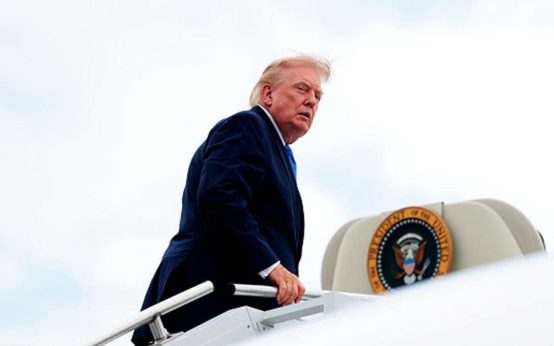 WHCA Addresses Concerns Over Trump’s Secret Plane Switch
  NYPD Won’t Provide Security to Mayor’s Wife Traveling to Middle East
  Trump Administration Charges 11 in Green Card Marriage Fraud Scheme