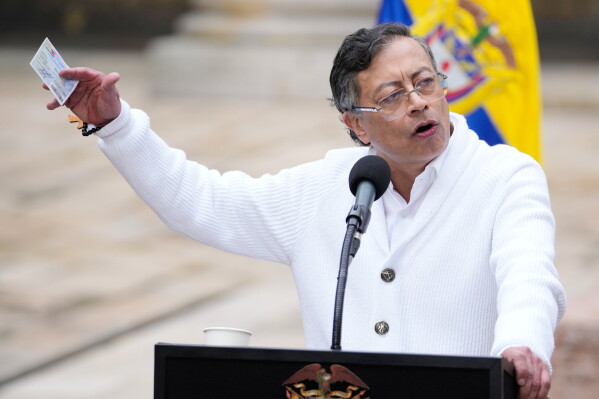
More than 41.4 million Colombians are preparing to cast their ballots to elect the successor of President Gustavo Petro, who is ineligible for re-election. The voting period, scheduled from 8 AM to 4 PM local time, will also determine the country’s next vice president.
The presidential election unfolds against a backdrop of political violence. This is marked by the assassination of Miguel Uribe Turbay and ongoing threats to candidates. Illegal armed groups continue to vie for control over strategic territories crucial for narcotics trafficking and illegal economic activities.
Keep up with English-language coverage of Colombia’s elections.
Leading Candidates in the Race
Polls indicate leading candidates include Iván Cepeda, senator and contender from the Pacto Histórico, led by outgoing President Gustavo Petro. Paloma Valencia, a senator associated with the opposing Centro Democrático, also ranks high. Abelardo de la Espriella represents the citizen movement Defensores de la Patria.
Among other candidates are Claudia López, former mayor of Bogotá, Sergio Fajardo, ex-mayor of Medellin and former governor of Antioquia. Also on the ballot are Roy Leonardo Barreras, former ambassador to the United Kingdom, Mauricio Lizcano, former Minister of Information Technologies, and Miguel Uribe Londoño. He runs following the passing of his son, Miguel Uribe Turbay, who succumbed last year to gunfire during a political rally.
Carlos Caicedo, ex-governor of Magdalena, and former Chancellor Luis Gilberto Murillo have withdrawn to support Iván Cepeda. Their names will still appear on ballots.
Check your designated voting location here.
President Petro Calls for Safeguarding Votes
President Petro urged citizens to determine the country’s future by voting freely, without coercion. He highlighted illegal activities such as offering money for votes or employers threatening workers over their votes.
Speaking from Bogotá’s Plaza de Bolívar, he emphasized maintaining the integrity of ballots post-voting through election witnesses. He expressed concerns over the Registrar’s IT systems managing the vote count, advocating for state-owned software to prevent external interference.
First Voters Arrive at Bogotá Centers
Election Cocktails for All Tastes
During the national ban on alcohol sales before elections, bars became creative. A Bogotá venue offered alcohol-free cocktails based on presidential candidates. Options included “Pacto Pop” for Iván Cepeda, “Tigre Tonic” for Abelardo de la Espriella, and “Paloma Sour” for candidate Paloma Valencia. An “Indie Blanco” cocktail catered to undecided voters.
Cheers!
Voting Centers Open for Presidential Elections
The doors to voting centers opened on Sunday for a presidential election to choose Gustavo Petro’s successor. Colombians face mounting concerns over violence from armed groups.
The race sees 11 candidates, with the leading trio being progressive Iván Cepeda, allied with Petro, and conservative opponents Abelardo de la Espriella and Paloma Valencia. They promise tough measures against illegal groups and narcotics traffickers.
Lines Form Early in Bogotá
Voters started queuing before voting centers opened at 8 AM, with closing set for 4 PM.
Colombians at the Crossroads of Petro’s Political Agenda
Voters are deciding whether to deepen or reverse President Gustavo Petro’s progressive approach. The race remains tight between three front-runners as revealed by polling data.
Analyst Sergio Guzmán told The Associated Press, “Colombia is deeply divided socially, economically, and politically. Petro garners near 40% approval, though he also faces high disapproval from certain sectors.”
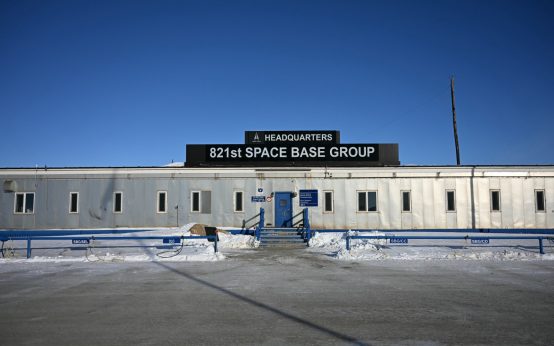 U.S. Military Expansion in Greenland
  The Autocratic Age: A Closer Look
 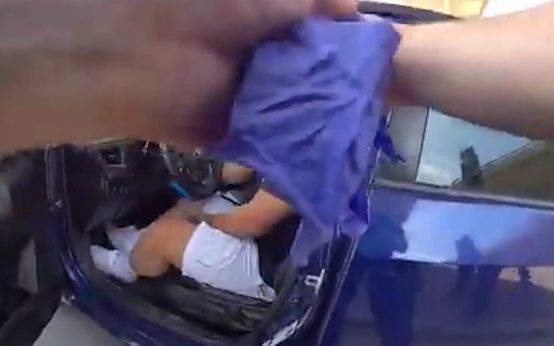 Venezuelan Migrant Arrest in Texas Sparks Outrage
 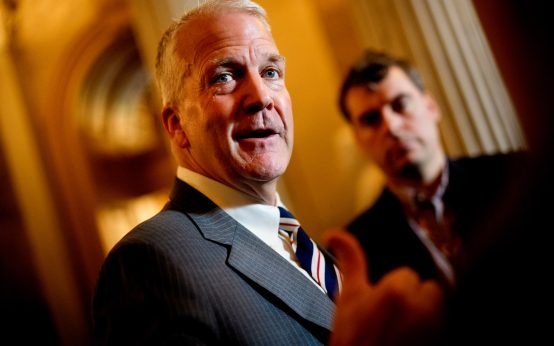 Senator Calls for Halt in Diesel Exports Amid Rising Fuel Costs
  Investigation into Far-Left Groups Organizing Protests
  Deadly Dispute Over Beach Chairs in Greece