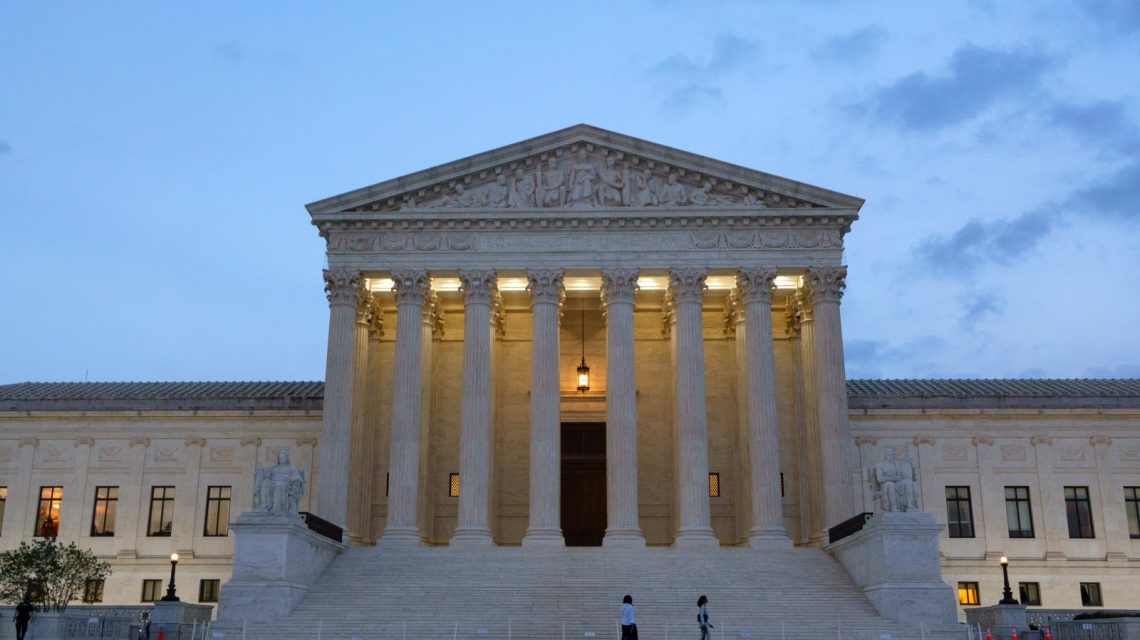
Weeks after the Supreme Court denied President Donald Trump’s attempt to end birthright citizenship through an executive order, conservative activists are focusing on their long-term goal: influencing the judges who might revisit the issue. At a July gathering in Washington, conservative lawyers, immigration advocates, and former Trump administration officials discussed strategies to keep the debate alive post the court’s June ruling. Politico reports some attendees argued that views on birthright citizenship should be a consideration in evaluating future judicial nominees.
Understanding the Supreme Court’s Ruling
The Supreme Court’s rejection came in Trump v. Barbara, with a 6-3 decision affirming that the 14th Amendment grants citizenship at birth to children born in the U.S. to parents unlawfully or temporarily present. Trump’s allies insist that the Citizenship Clause is construed too broadly. Justice Clarence Thomas and Justice Samuel Alito dissented, with Thomas noting his skepticism about the court’s current interpretation enduring.
Maintaining Momentum
The White House responded by releasing new executive orders focused on birth tourism and other categories it asserts fall outside traditional protections, signaling that the administration continues to prioritize this issue. These measures are expected to encounter legal challenges and come after Trump’s commitment to pursue the matter despite the court’s decision.
Focus on Judicial Influence
Mike Davis, founder of the Article III Project, a conservative legal advocacy group, emphasized the importance of focusing on the judiciary. He advocated for selecting judges sympathetic to challenges against the prevailing interpretation of birthright citizenship. Participants discussed using legal scholarship, conferences, law schools, legislation, and future litigation to advance their cause. However, influencing judicial nominees appears to be the key battleground.
An Established Strategy
Using a single constitutional issue to assess judges is not unprecedented. Conservatives scrutinized abortion rights positions after Roe v. Wade and continued with debates on gun rights, religious liberty, and administrative power in judicial confirmations. Conservative activists envision a similar approach for birthright citizenship, using judicial appointments to shape legal perspectives over time.
Drawing Comparisons
Some activists have compared the birthright citizenship debate to the long campaign against Roe v. Wade. Article III Project’s Davis remarked that the Supreme Court’s ruling has turned birthright citizenship into a critical issue, akin to Roe v. Wade, suggesting conservatives may spend years working to reverse it. The comparison underscores that the anti-Roe movement extended beyond lawsuits, engaging legal scholarship, legislation, public advocacy, and judicial nominations.
Reasons for Optimism
Despite the Supreme Court ruling against Trump, proponents of restricting birthright citizenship claim the issue has entered mainstream political discourse. John Eastman, who supports a narrower interpretation of the clause, said reaching the Supreme Court marked significant progress. According to Politico, Eastman believes the debate’s presence among lawmakers, judges, and the public indicates success.
Looking Forward
Currently, the Supreme Court’s ruling is the law, confirming citizenship for children born in the U.S., but Trump’s latest executive actions will likely face new legal tests. Conservative activists seem committed to influencing the broader legal landscape. Their strategy involves shaping the lawyers, scholarship, and judges to impact how future courts interpret birthright citizenship.
 Republican Candidates Compete for South Carolina Senate Seat
  Understanding Contempt of Congress: Recent Case Involving Dr. Fauci
  Legal Experts Predict Trump’s Success in White House Ballroom Case
  Senate Passes Stopgap Funding Bill, Affecting Key Policies
  Senate Faces Legislative Challenges Amid Recess
  Pentagon Urges Increased Weapon Production Amid Munitions Shortage