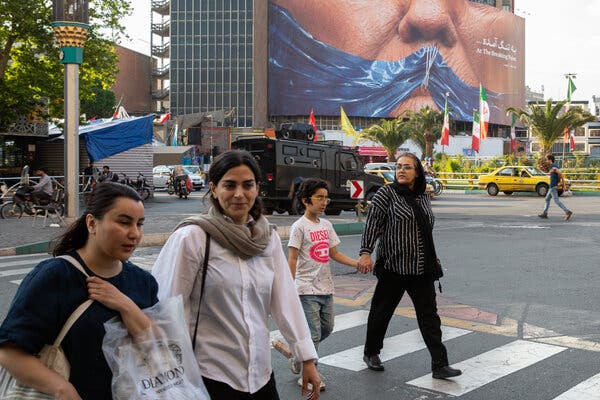
The United States and Iran are reportedly in discussions to negotiate a deal aimed at ending the ongoing conflict in the Middle East. However, these talks are expected to take several days, and there are conflicting reports from both sides regarding the potential agreement.
The primary objective of the negotiations is to reopen the Strait of Hormuz, an essential channel for oil and gas shipments that Iran has currently blocked. Despite efforts, uncertainty surrounds the details of the agreement.
A key issue in the negotiations is Iran’s nuclear program. Disagreements between U.S. and Iranian officials on how to handle this issue have led to uncertainty about whether a final deal can be achieved. Iran’s foreign ministry spokesman, Esmail Baghaei, stated that while progress has been made, no one should expect an immediate signing of the agreement.
Perspectives from the United States
President Trump addressed the situation in a social media post, emphasizing that the agreement could be ‘great and meaningful’ or result in ‘no deal’ if the terms are unsatisfactory. He faced criticism from Republicans who argued the proposal may be overly lenient on Iran. Trump suggested a cautious approach, advising both sides to proceed carefully and ensure the agreement is appropriate. He assured that any deal with Iran would be ‘good and proper,’ although he did not provide specific details, indicating much remains unresolved.
 The Autocratic Age: A Closer Look
  Venezuelan Migrant Arrest in Texas Sparks Outrage
  Senator Calls for Halt in Diesel Exports Amid Rising Fuel Costs
  Investigation into Far-Left Groups Organizing Protests
  Deadly Dispute Over Beach Chairs in Greece
  Couple’s Fortunate Detour Saves Them from Himalayan Disaster