The Declaration of Independence is recognized as America’s most vital founding document. Will Cain and Dr. Scott Stephenson, leaders from the Museum of the American Revolution, emphasize its historical impact on over 100 nations. Stephenson states that the Declaration provides the enduring creed uniting America, embodying an experiment of diverse populations forming a political entity that continues to flourish.
The recent 250th anniversary of America’s founding celebrated with fireworks and festive decorations might be over, but the celebrations won’t end there. In the upcoming years, commemorations will showcase significant Revolutionary War battles in cities like Boston, New York, and Yorktown. This will offer Americans opportunities to learn about patriots previously not well-known.
Fans of Southern heritage may particularly anticipate recognizing figures like Francis Marion, dubbed the Swamp Fox, and Thomas Sumter, known as the Gamecock, celebrated in South Carolina. Battles such as Kings Mountain, Guilford Court House, Camden, and Eutaw Springs — where Americans pivoted the course of history in the South — will also be remembered.
Historians regard the second sentence of the Declaration of Independence, starting with “We hold these truths to be self-evident, that all men are created equal…,” as fundamentally significant not only in American history but globally. The American revolution spurred movements worldwide, encouraging people to overthrow oppressive rulers.
Thomas Jefferson’s words heralded new governance principles based on equality, natural rights, and the populace’s consent. Sparked by these ideals, revolutions emerged worldwide, influencing over 100 nations, including France, Mexico, Chile, Haiti, and later Czechoslovakia and Korea. The Museum of the American Revolution in Philadelphia is hosting an exhibit showcasing the Declaration’s worldwide influence.
Domestically, the Declaration of Independence sparked movements for autonomy. Colonies established their own governments, bypassing royal authority. States agreed to unify under one central, elected government.
Though Jefferson’s words inspired, achieving the Declaration’s promise required effort. Only through five years of battles did America secure its independence. Americans faced the world’s most formidable military force, Britain.
At that time, Britain’s vast empire boasted a 400-ship navy and battle-tested soldiers who defeated rivals like France. Despite the odds, Americans persisted. Even though they suffered defeats, notably in Charleston and on Long Island, victories at Saratoga and Yorktown marked the turning point.
Lord George Germain, British secretary of state for the colonies, advocated continuing the war, citing America’s vulnerabilities like a weak economy and inflation. Yet, despite the Continental Congress’s fiscal woes and soldiers mutinying, the British saw the futility in prolonging the conflict.
America’s resilience ultimately prevailed. Nathanael Greene, a military leader under George Washington, encapsulated this perseverance, stating, “We fight, get beat, rise, and fight again.”
While historical figures like Washington and Jefferson are celebrated, the triumph was thanks to countless Americans whose endurance and tenacity ensured the promising words of the Declaration turned into reality. Their legacy inspired those worldwide seeking freedom and liberty.
No better way exists to honor America’s founding document and its people than visiting battlefields and historic sites where the Declaration’s promise came to life.
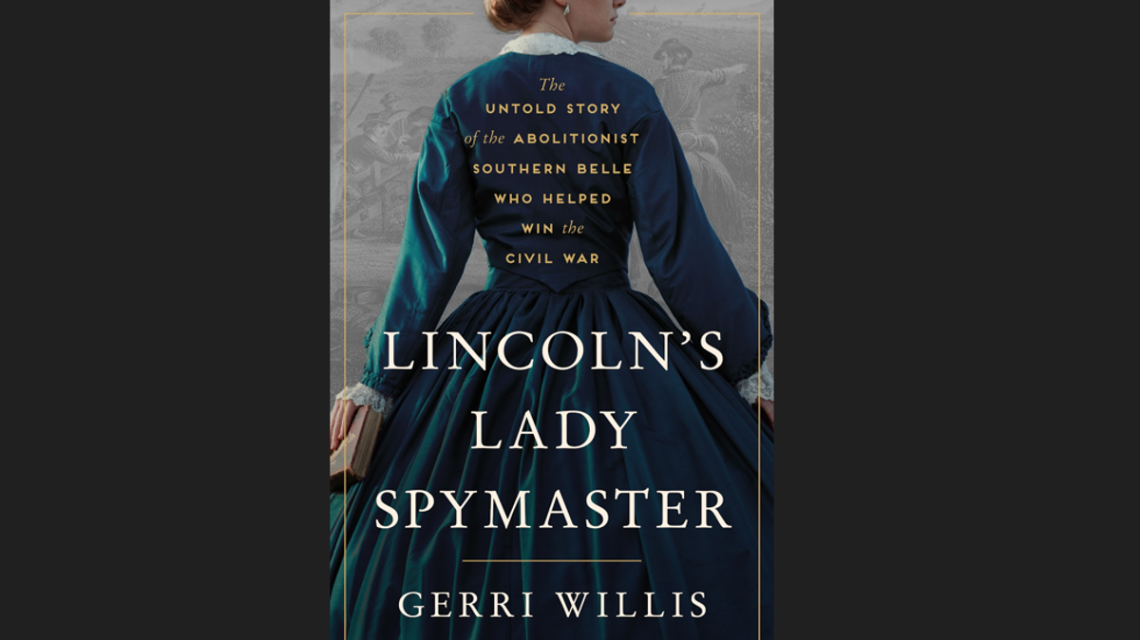
Gerri Willis, author of “Lincoln’s Lady Spymaster,” nominated for the People’s Choice Award by the Library of Virginia, is a native of North Carolina.
 Controversial Claims in Charles Spencer’s Book about Princess Diana’s Divorce
  The Curious Case of Mark Jackson’s NBA Hoops Card
  Communities Continuing Recovery from Hurricane Helene Explored through Graphic Novel
 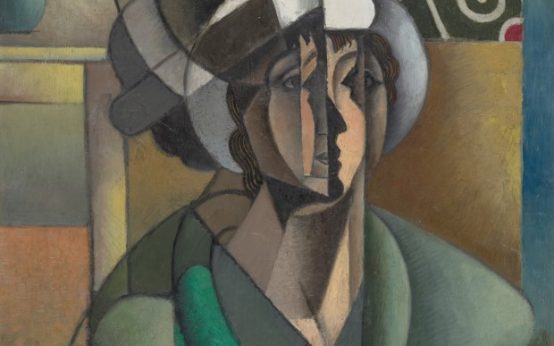 Art Institute of Chicago Returns Nazi-Looted Painting to Heirs
  Chicago History Museum Responds to Protest with Aquí en Chicago Exhibit
  Ari Emanuel’s Memoir Explored