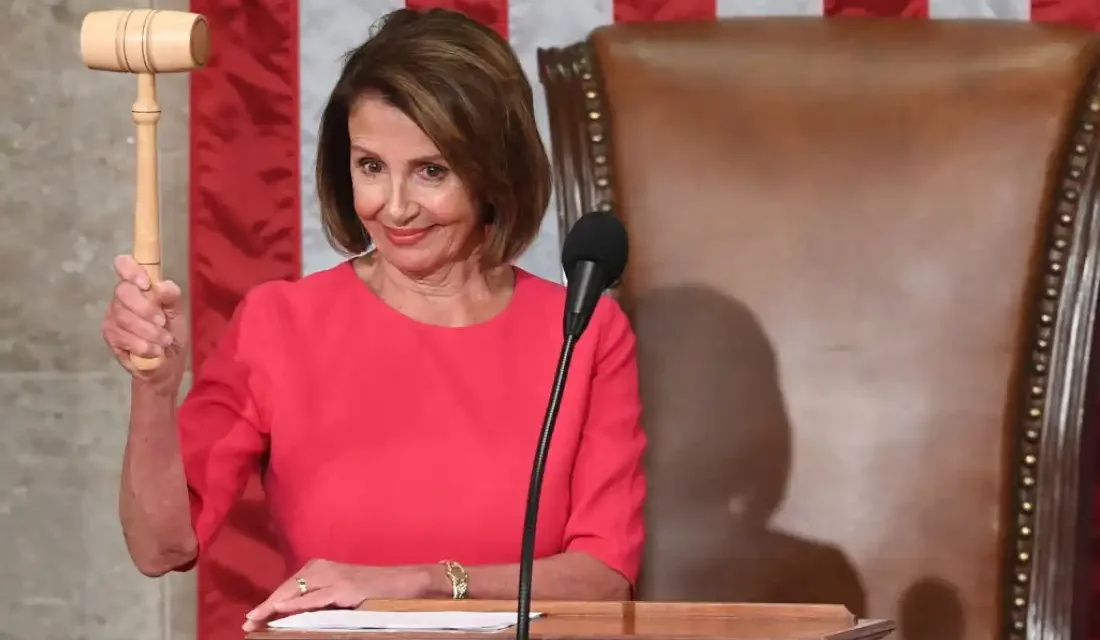
Nancy Pelosi, D-Calif., assumed the role of Speaker of the U.S. House of Representatives during the 116th Congress on January 3, 2019. The event took place at the Capitol in Washington, D.C.
The decade of the 2020s has yet to produce a significant midterm election. Despite the political upheavals since 2019, midterms have generally lacked the impact seen in previous decades. Traditionally, every decade has had at least one midterm that significantly influences Congress and broader national politics, often shifting power in statehouses and indicating broader political changes.
Midterms tend to draw less voter interest and participation compared to presidential elections. Without the presidency on the line, voter turnout decreases by about one-third. However, those who vote still elect the same number of congressional and state legislative officials. Midterm voters also influence two-thirds of the nation’s gubernatorial races.
Presidential Influence on Midterms
Big-impact midterms often occur during a president’s second term, when their popularity may decline. Even though a president isn’t on the ballot, their presence is felt; midterms offer an opening for opponents and typically see less enthusiasm from supporters.
In the current decade, marked by three presidential elections (2020, 2024, and 2028), there will only be two midterms. The first, in 2022, did not meet expectations of a Republican wave. While the House narrowly shifted, the Democrats maintained Senate control, ending Pelosi’s tenure as Speaker. The GOP struggled to consolidate leadership in the House following this shift, contrasting with historic midterms that reshaped the political landscape.
Historical Context and Examples
The midterms following the 1929 Wall Street Crash led to significant changes. The Great Depression’s fallout saw the end of Republican dominance with the 1930 elections. The GOP lost its small majorities following special elections in 1931, paving the way for Democratic control.
In 1946, after World War II, Congress experienced a Republican resurgence, taking control of both chambers. This shift highlighted midterms as political checks within U.S. history.
Midterms functioned as regulators during presidential administrations. Dwight Eisenhower, despite two landslide victories, lost control of Congress partway through his presidency. The Democratic victories in 1958 set the stage for landmark civil rights legislation in the following years, shaping Lyndon Johnson’s ‘Great Society’.
Changing Political Fortunes
The mid-1960s brought further changes. Following Johnson’s 1964 landslide, the 1966 midterm witnessed a Republican revival, signifying a focus on Southern states. This laid groundwork for Nixon’s 1968 presidential campaign and Reagan’s rise in California.
In 1974, political scandals marked a turning point. Nixon’s resignation amid Watergate led to a Republican defeat, worsened by the economic instability following the 1973 oil embargo. The GOP faced significant losses in Congress.
Reagan’s presidency in the 1980s displayed political momentum but met challenges; losses in the 1986 midterms weakened Republican control in the Senate, highlighting midterms’ corrective nature.
Recent Midterm Dynamics
Midterms continued to test presidential influence into the 21st century. George W. Bush saw initial success post-9/11, but the 2006 midterm reversed Republican gains due to the costly Iraq war. Democrats rose, with Pelosi becoming the first woman Speaker.
The Obama era echoed past patterns: a significant midterm loss in 2010 aligned with economic woes and the Affordable Care Act controversy, altering congressional control and setting up future Republican successes.
As the decade progresses, the upcoming 2024 midterm presents an opportunity for another significant election, depending on the political context. Current forecasts suggest a potential Democratic resurgence, paralleling the once-a-decade impactful midterm tradition observable across U.S. history.
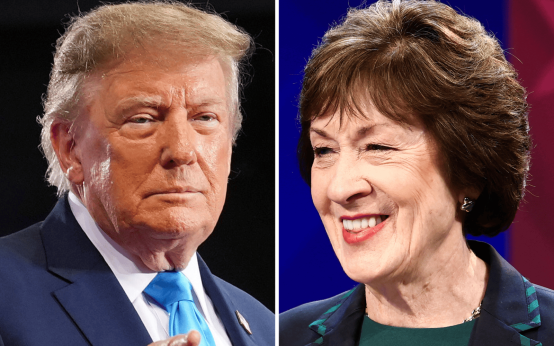 Collins Meets Tight Race with Trump-Backed Economic Moves
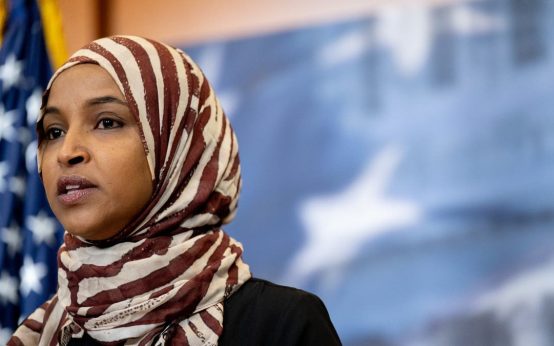 The Investigation into Ilhan Omar: Allegations and Legal Implications
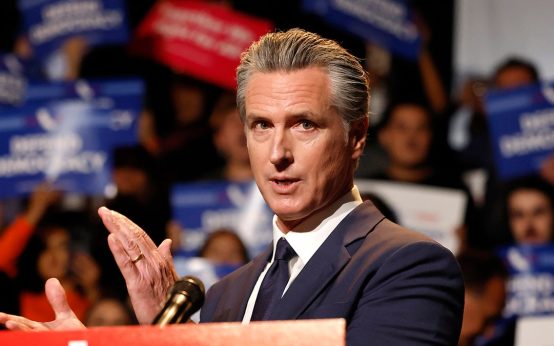 Federal Appeals Court Orders California to Address DOJ Concerns on Mail-In Ballots
 Russian Influence Tactics Target U.S. Elections
 Virginia Democrats Call for Restraint After Indictment of Senate Leader
 Rep. Ilhan Omar Raises $1.5 Million After Federal Raid