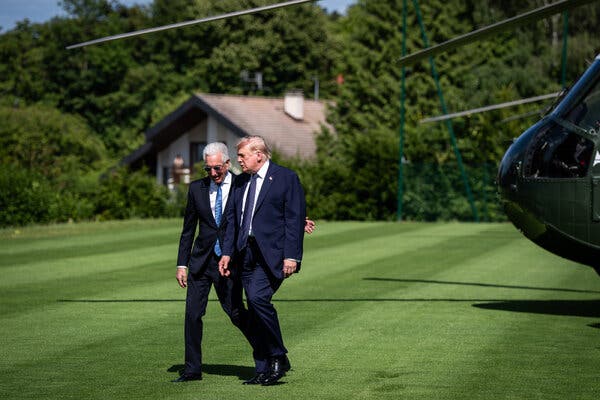
Charles Kushner, the U.S. ambassador to France, has become a prominent figure in international relations under President Trump. Arriving in Paris, he has stirred controversy with his outspoken approach, particularly concerning antisemitism.
Before the anniversary of the D-Day landings, Kushner visited a military cemetery in eastern France. He commemorated five Jewish American soldiers who died in World War I, an act reflecting his deep religious commitments. As an Orthodox Jew, his faith plays a significant role in his diplomatic engagements.
Kushner has been vocal about his concerns regarding antisemitism in France. Shortly after his arrival, he accused the French government of not adequately addressing the issue. His proposal for the Trump administration to offer refugee status to French Jews highlights his strong stance. This suggestion contrasts with the administration’s general policy of reducing asylum opportunities.
“Having more options for the Jewish community here to immigrate to America would be important,” Kushner stated. “They face insecurity and feel neglected by their government.” He expressed these sentiments in a letter to President Emmanuel Macron last August.
His statements have provoked tensions with the French Foreign Ministry. Kushner has faced formal reproaches for what some consider interference in France’s domestic affairs. French Foreign Minister Jean-Noël Barrot even considered restricting Kushner’s engagements with French officials.
Kushner’s actions, including his commemoration ceremonies, reflect a blend of personal beliefs and diplomatic efforts. His impact on U.S.-France relations underscores the complexities of international diplomacy in contemporary times.
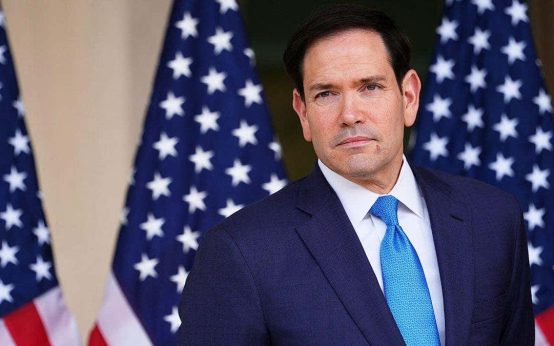 Marco Rubio Discusses Thwarted UK Terror Plot and Global Threats
  New Leads Emerge in 2014 Ayotzinapa Student Disappearance Case
  Concerns Over U.N. Secretary-General Candidate’s Alignment
 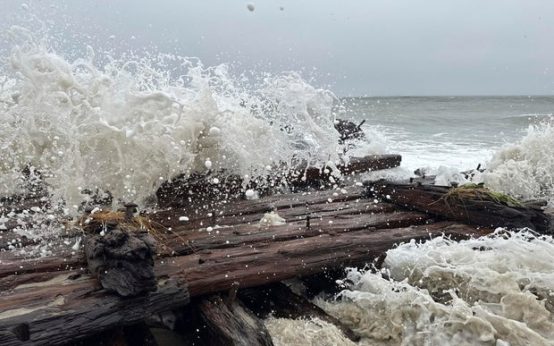 Possible Shipwreck Exposed After Nor’easter in Nantucket
 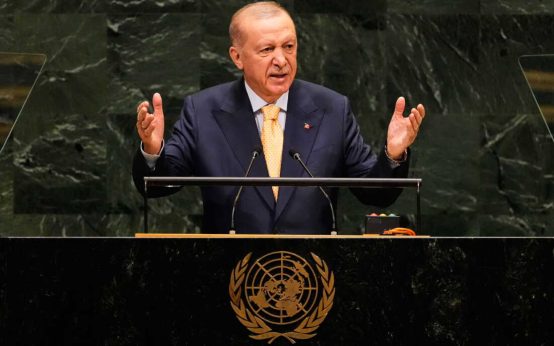 Turkey’s Ambitions and Regional Dynamics: The Mecca Joint Defense Agreement
 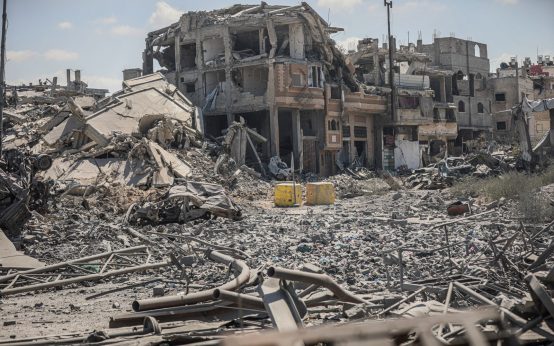 Google Earth Images Highlight Gaza’s War Impact