Emperor Meiji first visited the future site of one of Japan’s most controversial shrines in 1874. He pledged eternal remembrance for those who died for their country. Today, Yasukuni, a memorial and Shinto shrine in central Tokyo, honors over 2.4 million people. This includes 14 war criminals commemorated annually on August 15, marking Japan’s surrender at the end of World War II.
The shrine offers spiritual solace to some grieving relatives and others expressing gratitude. Yet, for Asian nations once under Japanese rule, Yasukuni symbolizes militarism. Visits by Japanese leaders often draw criticism from China and South Korea, who view these visits as lacking adequate remorse for wartime aggression.
Yasukuni’s Foundation During Japan’s Transformation
In the 19th century, Japan restored imperial rule following the fall of a military government spanning over 250 years. In 1869, a year into the imperial era, Emperor Meiji commissioned the shrine’s construction, which was later named Yasukuni. The name means “peaceful country” and symbolizes honoring those who defended the imperial cause.
According to Akiko Takenaka, a history professor at the University of Kentucky, Yasukuni Shrine initially conveyed messages about the emperor and Japan’s new era. Meiji bestowed the highest honors on those sacrificing their lives for the empire. Men were expected to find honor in this sacrifice.
The Interconnection of Religion and Government
Under Shinto beliefs, Japan’s emperors are seen as descendants of the sun goddess Amaterasu. This divine lineage notion solidified during the Meiji era with State Shinto’s rise. The government controlled the shrine’s practices and finances; patriotism and religion became intertwined.
Susumu Shimazono, a religion and modern Japan scholar, noted that Meiji reformers aspired to create an ideal nation uniting people spiritually with the sacred emperor, as published in the Japanese Journal of Religious Studies. After Japan’s WWII surrender, U.S. Gen. Douglas MacArthur’s 1945 order abolished State Shinto, severing government funding for shrines and removing Shinto practices from public areas. Yasukuni then became a private religious body, raising questions about constitutional religion-state separation.
Enshrinement Controversies at Yasukuni
Yasukuni is not a cemetery but a place where the enshrined are considered kami, divine spirits in the Shinto tradition. Honored individuals include soldiers, women aiding in battle, students supporting wartime production, and foreign nationals who served Japan.
Among Yasukuni’s controversial kami are 14 Class-A war criminals, such as wartime Prime Minister Hideki Tojo, linked to the Pearl Harbor attack. Their enshrinement happened secretly in 1978 after Hirohito’s last visit. According to Mark R. Mullins, a professor at the University of Auckland, Hirohito avoided further visits to escape associated criticism. His successors have sent emissaries for major rites but have not visited as emperors.
Controversial enshrinements also include Buddhists, Christians, Koreans, and Taiwanese whose families claim inclusion without consent. Legal actions have failed to remove relatives from Yasukuni.
The Shrine’s Varying Significance
For some bereaved families, personal grief takes precedence. Others see Yasukuni in terms of restoring wartime losses or coping with foreign occupation aftermath. The adjacent Yushukan Museum presents wartime artifacts but omits China and Korea’s experiences under Japanese rule. John Breen, a professor at the International Research Center for Japanese Studies, describes this selective memory in his paper “Yasukuni Shrine: Ritual and Memory.”
Visitors view respect-paying at Yasukuni as spiritually meaningful, not as endorsing war. Tokyo’s Minato City Assembly member, Kana Shindo, considers the shrine a reflective and purifying site. She clarified that her visits don’t glorify war; they honor the legacy and history that underpin present peace.
Bereaved Families Maintain Connections to Yasukuni
Japanese soldiers were promised enshrinement at Yasukuni if they died. Families were encouraged to visit, as recounted by Toshiei Mizuochi, president of the Japan War-Bereaved Families Association. His father served in the navy and died just before WWII ended.
Over 2.4 million Japanese soldiers perished overseas during the war, with about a million remains still unrecovered. For many bereaved families lacking remains or personal belongings, they believe the war dead’s spirits reside at Yasukuni. These families frequently visit the shrine, attending ceremonies, marking death anniversaries, and reporting significant milestones like school entries, job starts, marriages, or births. Mizuochi affirmed frequent visits, saying every prayer conjures his father’s memory.
Associated Press religion coverage receives support through the AP’s collaboration with The Conversation US, with funding from Lilly Endowment Inc. The AP solely handles this content.
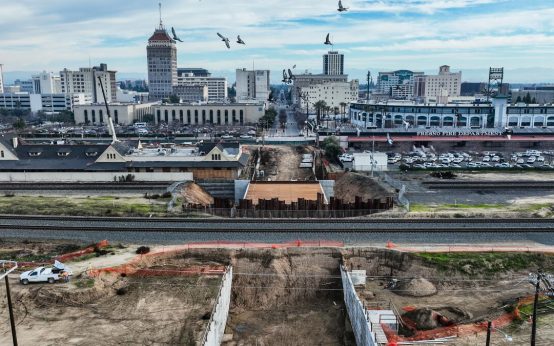 California’s Demographic Shifts: A Closer Look
 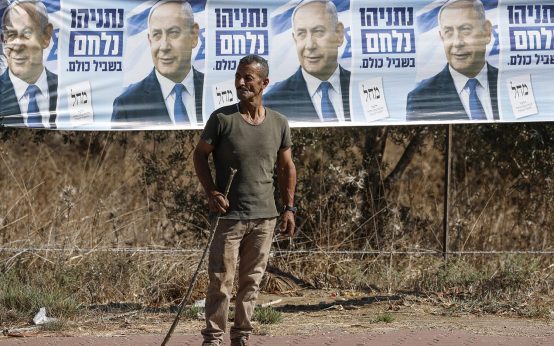 Israel Marks Tragic Anniversary Amid Political Turmoil
  Israel Commemorates Third Anniversary of Hamas-Led Attacks
  Immigration Policies and Their Impact on Afghan Refugees in the U.S.
 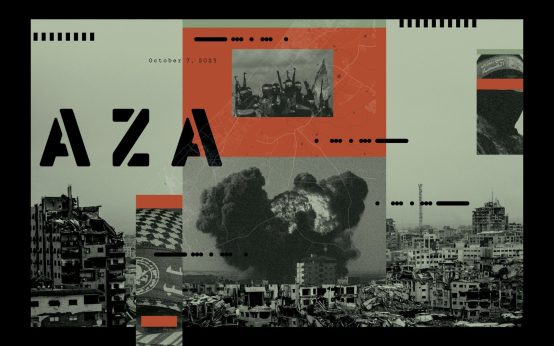 The Impact of October 7 and Its Aftermath
 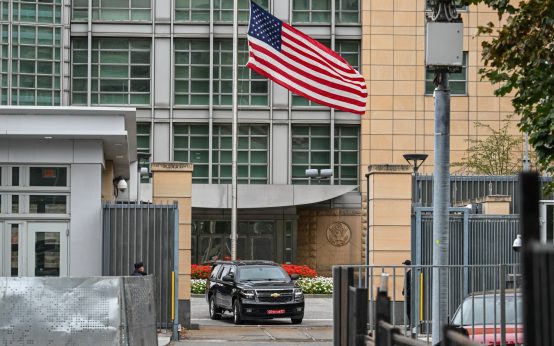 U.S. Embassy Monitors Suspected Plague Case in Russia’s Irkutsk Region