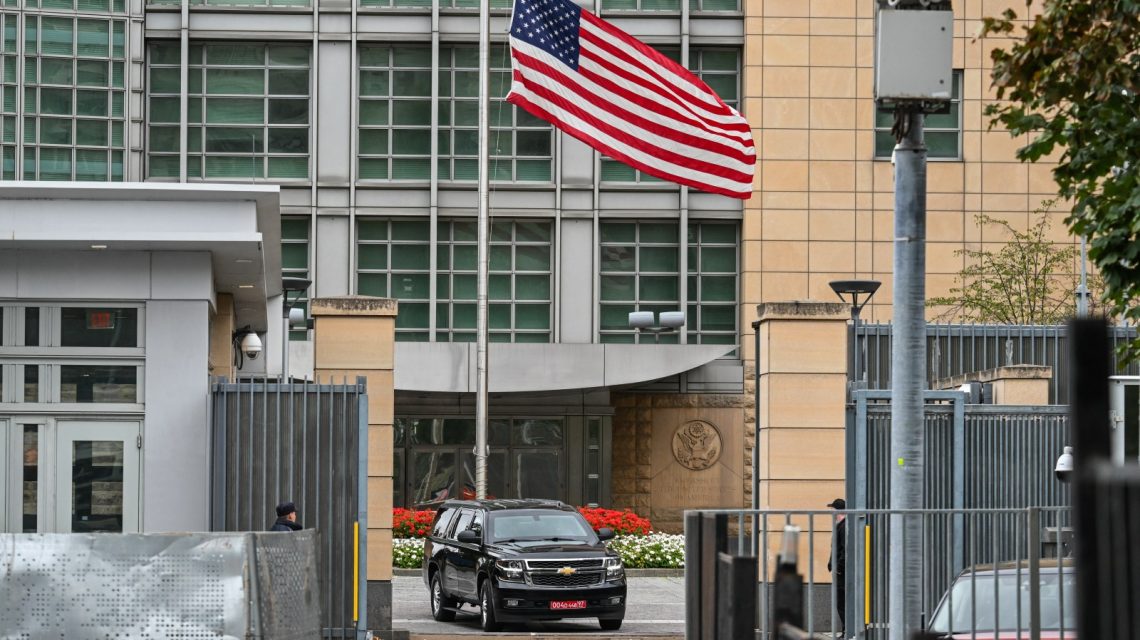
U.S. Embassy Tracks Developments
The U.S. Embassy in Russia is closely monitoring reports about a possible death from pneumonic plague in the Irkutsk region, along with related hospital closures and quarantine actions. Despite these developments, there has been no new travel warning from the State Department, which still maintains a Level 4 advisory against traveling to Russia due to the risks of terrorism, unrest, and wrongful detention.
The advisory, originally issued in December 2025, emphasizes that the U.S. government has limited ability to assist citizens within Russia, especially outside of Moscow. U.S. citizens in Russia are urged to leave the country immediately. Those planning to travel to Russia are strongly advised against it due to potential detention risks and security issues.
World Health Organization’s Position
The World Health Organization (WHO) has been informed by Russian authorities that no plague cases have been recorded in Irkutsk so far. The cause of death for a laboratory worker, initially suspected to be linked to plague, remains unconfirmed.
Despite initial media reports connecting Daria Shipilova’s death to pneumonic plague, WHO assesses the public health risk as moderate to low in Irkutsk, low in Russia, and very low across Europe. This assessment is subject to change as more information becomes available.
U.S. Embassy Update
“Irkutsk, Russia: The U.S. Embassy is aware of press reports from the Irkutsk region of suspected pneumonic plague resulting in the death of an individual and of associated quarantine measures in, and closures of, hospitals in Irkutsk. We continue to track the situation closely.”
The embassy has not confirmed these reports and maintains the Level 4 advisory. U.S. citizens in Russia should leave without delay, and those outside Moscow may face limited assistance from the U.S. government.
Expert Opinions
The WHO reported that Russian authorities confirmed no plague cases in Irkutsk following investigations. The illness in question initially presented as a typical respiratory infection, and tests among contacts showed no severe pathogens. None of the persons with contact to the deceased were showing symptoms.
Dr. Amesh Adalja from the Johns Hopkins Center for Health Security notes the response scale seems unusual for plague, given the disease’s treatability with common antibiotics. He notes that the use of hazmat suits and the presence of Russian health officials suggest concerns beyond typical plague response measures.
Daria Shipilova and Biosecurity Concerns
Daria Shipilova was a 28-year-old lab technician at the Irkutsk Anti-Plague Institute. While her death was due to pneumonia, the exact origin remains unclear. Russian health authorities found no microorganisms in her remains linked to her work.
Russian media suggested a lab accident involving the Yersinia pestis bacterium, though these claims lack official confirmation. WHO states they are still establishing the cause of death.
Experts have raised questions on why extensive containment measures were reported if the threat was non-existent. Dr. Adalja mentions Russia’s history of biological weapons research, indicating that former Soviet anti-plague institutes also handled various pathogens.
Esvelt, an MIT professor, also questions the use of massive lockdowns and security forces without disclosing potential biological threats.
As of now, international risk levels remain low, and further details are awaited from WHO and other involved parties.
 Grief and Resilience: Remembering Hersh Goldberg-Polin and the Aftermath of the October 7 Attacks
  The Journey of Hersh Goldberg-Polin: A Tribute to an Ordinary Life
  Commemorating the Aftermath of the Oct. 7, 2023 Hamas Assault
  French Prime Minister Defends Police Actions Amid Student Protests
  Poland Demands Apology from Tucker Carlson for WWII Claims
  French Students Lead Massive Protests for Education Funding