
The events surrounding October 7, 2023, marked a significant moment in the history of Israel and Gaza. On that day, recorded by body cameras, Hamas gunmen attacked Kibbutz Sufa near Gaza. Among the victims was Bernard Cowan, a British-Israeli grandfather who left the family safe room due to his claustrophobia. Tragically, Cowan was shot by the attackers; his wife, Margaret, remained inside.
The attacks resulted in the deaths of approximately 1,200 people, creating a national trauma for Israel. An attack of similar scale in the United States would equate to the death of about 40,000 people, highlighting the magnitude of the impact on Israel.
Comparing Strategies and Responses
The motivations behind the attacks are complex. Many interpretations focus on what Hamas hoped to achieve with the attack, including taking hostages, influencing prisoners, and provoking a regional conflict. Dov Waxman, a scholar on Israel and U.S.-Israel relations, suggests the filming and broadcasting of the attacks indicate a strategic decision similar to Osama bin Laden’s intentions on September 11—prompt a response from the adversary that would alter the political landscape.
In the aftermath, Israel’s response was intense. Hamas suffered significant losses, with senior leadership members killed and military capabilities weakened. Meanwhile, Gaza faced a devastating humanitarian crisis with thousands of lives lost and substantial infrastructure damage.
International Perspective
The political consequences of October 7 are unfolding. The event has shifted global perceptions, particularly among young Americans. Favorability toward Israel has declined, with younger generations viewing Palestinians more favorably. This shift might affect future U.S. policy as these individuals assume leadership roles.
David Makovsky, an expert on Arab-Israel relations, cautions against assuming these views are permanent. Israel’s actions, especially regarding its current leadership, may influence perceptions. A change in government could alter Israel’s external messaging and repair relationships. However, the impact of social media and the visual documentation of the Gaza conflict has left enduring impressions on younger audiences.
Shifting Political Dynamics
Domestically, political attitudes toward Israel are changing. Support within the Democratic Party for military aid is waning, while some Republicans are advocating for a more America-centric foreign policy. Concerns on the left focus on Palestinian civilian suffering, while the right questions the value of American foreign commitments.
Prominent figures, such as Senator Bernie Sanders, have highlighted Gaza as a significant concern. In contrast, on the Republican side, some voices call for reassessment of U.S.-Israel relations. These evolving views may reshape the longstanding bipartisan support for Israel.
Long-Term Effects
The long-term effects of the October 7 attacks might be judged by the changing political climate. As new generations ascend to positions of power, their perspectives—shaped by recent events and changing narratives—might influence U.S.-Israel relations. While Hamas’s immediate goals failed, the political and social conversations sparked by the event could continue to evolve, affecting regional and international policies.
 U.S. Embassy Monitors Suspected Plague Case in Russia’s Irkutsk Region
 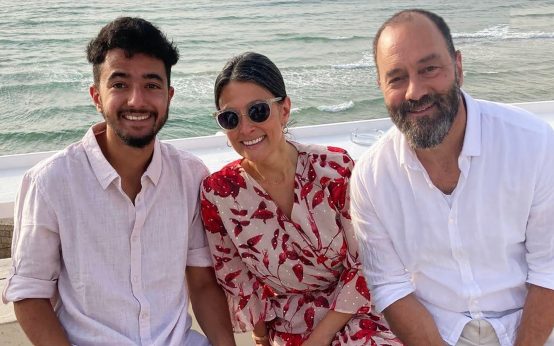 Grief and Resilience: Remembering Hersh Goldberg-Polin and the Aftermath of the October 7 Attacks
 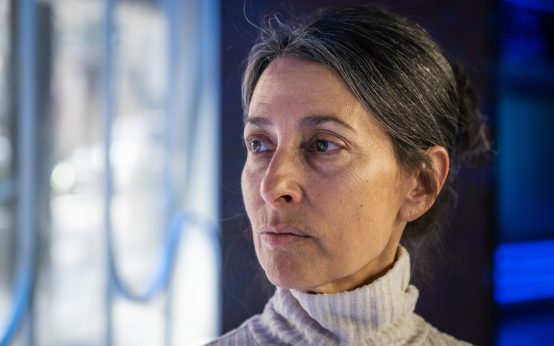 The Journey of Hersh Goldberg-Polin: A Tribute to an Ordinary Life
 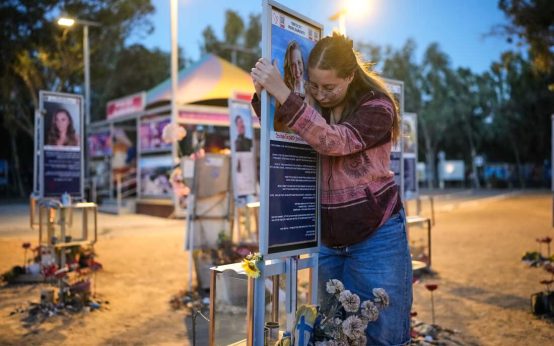 Commemorating the Aftermath of the Oct. 7, 2023 Hamas Assault
 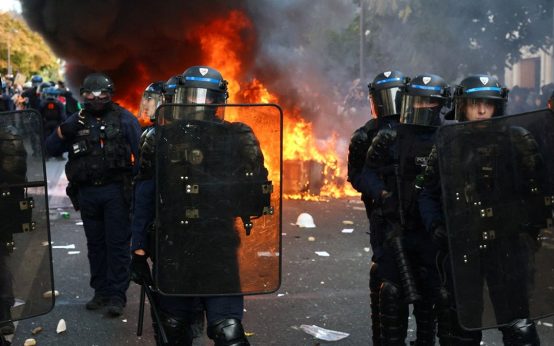 French Prime Minister Defends Police Actions Amid Student Protests
 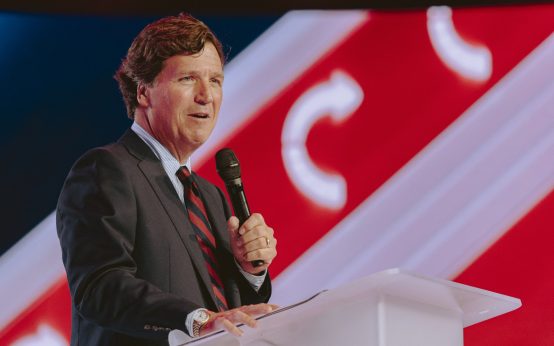 Poland Demands Apology from Tucker Carlson for WWII Claims