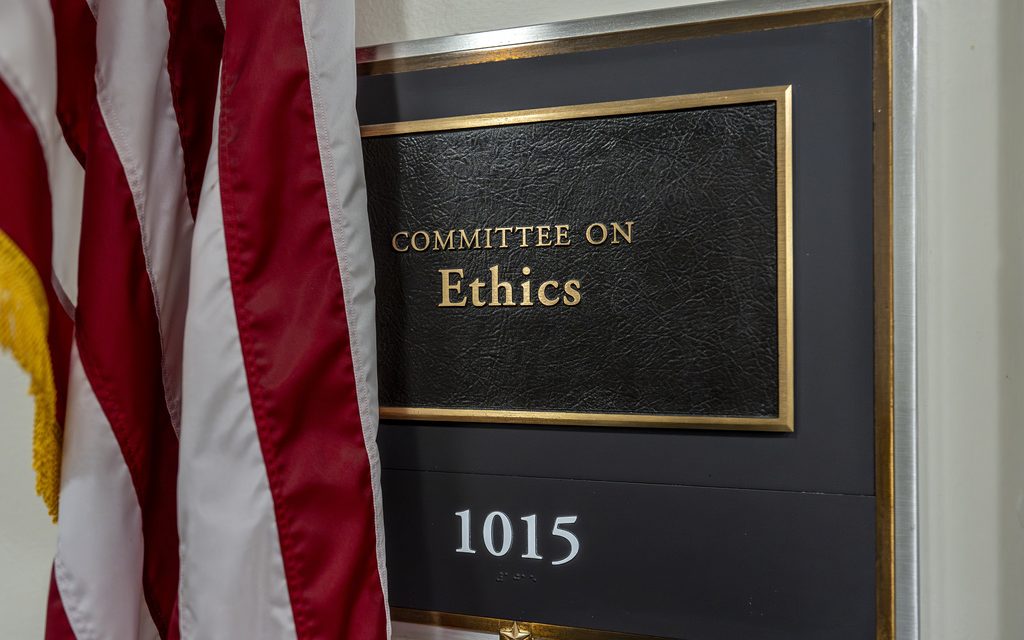
The House Ethics Committee, located on Capitol Hill, remains a critical body for overseeing the conduct of members of Congress. Despite the spotlight placed on sexual misconduct by the #MeToo movement, issues persist today, nearly a decade later.
In the current 119th Congress, attention has focused on scandals reminiscent of those that forced the resignation of eight lawmakers in 2017. This year, two representatives, Eric Swalwell and Tony Gonzalez, have already vacated their seats following misconduct allegations. Additionally, the House Ethics Committee is investigating two more members, Cory Mills and Chuck Edwards, for similar reasons.
Since 2017, the Committee has conducted 20 investigations into alleged sexual misconduct. However, only 15 of these have been made public. High-profile cases continue to garner attention, highlighting the challenges Congress faces in regulating its members and upholding ethical standards.
Representatives are often held to high standards of moral behavior by the public, yet scandals reveal the vulnerability of these expectations. Recurrent misconduct cases can be attributed to individual failings, inadequate ethical enforcement, or intense media scrutiny.
The focus on scandals influences political dynamics, with potential impacts on upcoming elections and party control. The politicization of misconduct issues further complicates efforts to maintain transparency and hold offenders accountable. Such scandals often lead to calls for reform, as seen in past congressional shifts.
Historically, congressional misconduct has prompted significant changes, notably the transfer of House control in 1995 and the passage of the Congressional Accountability Act. This act mandated that Congress adhere to workplace discrimination, harassment, and sexual abuse laws applicable nationwide.
In June, Rep. Thomas Massie introduced a resolution pushing for greater transparency by calling for public disclosure of investigations, settlements, and reimbursements related to sexual misconduct. While this resolution passed successfully, skepticism remains about its actual impact. Rep. Nancy Mace criticized the move as lacking substance since relevant information was already provided under a subpoena.
The government has previously settled claims against congressional members amounting to over $300,000. However, legislative practices have changed, with members now personally liable for misconduct settlements. Activist groups continue to push for more stringent reform measures.
Current allegations span across party lines, suggesting the issues extend beyond mere partisan politics. Addressing ethical processes in Congress remains crucial despite ongoing challenges. Efforts must focus on establishing impartial systems that ensure accountability and uphold the integrity of the legislative branch.
Don Wolfensberger, a seasoned congressional staff member, has documented the evolving dynamics within Congress. His insights underscore the enduring complexities of maintaining ethical governance in legislative operations.
 Media Outlets Sue After White House Ban
  American Public Opinion on Press Freedom
  Media Lawsuit Against Trump Administration for White House Ban
  The Cost of Challenging Beijing
  Analyzing Midterm Elections and Party Dynamics
  Allan Lichtman’s Framework for Assessing Presidential Greatness