
On Monday, CNN, MS NOW, and Politico initiated legal action against President Trump’s administration. The lawsuit challenges the President’s decision to ban these news organizations from the White House on grounds of First Amendment violations.
President Trump, through a Truth Social post, announced the ban citing unfavorable coverage from these outlets. The affected organizations claim this move directly opposes First Amendment rights. Historically, presidents have often disagreed with the press about their coverage but have not imposed bans like this.
The legal motion from the news organizations stated, “There could not be a more direct assault on the First Amendment.”
The lawsuit seeks immediate restoration of access for these news outlets after their exclusion and revocation of press passes. They are asking a Washington, D.C., judge to expedite proceedings to halt further bans from the White House.
Despite the announcement, President Trump argues that the timing of the ban wasn’t tied to a specific incident. He labeled them as “fake news” claiming they lack credibility. He stated, “Now, if they want to write them, that’s fine, but I don’t have to let them into my — into the people’s house.”
Bruce Brown, President of the Reporters Committee for Freedom of the Press, criticized the ban as unconstitutional, naming it “textbook viewpoint discrimination.” He predicted that courts would overturn the decision quickly if challenged.
The Trump administration has previously attempted similar bans. Last year, The Associated Press faced exclusion after their refusal to label the Gulf of Mexico as the “Gulf of America.” While initial legal rulings supported AP’s access, an appeals court permitted the ban when access was restricted to specific areas like the Oval Office and Air Force One.
During the court processes, the administration managed press coverage, controlling a rotating pool of journalists. This restricted access to certain areas, affecting wire services like the Associated Press. Recently, the Pentagon enacted rules making news access challenging, citing security risks. Subsequent judicial intervention led to changes, requiring journalists to have government escorts.
Historical challenges included the attempted revocation of CNN reporter Jim Acosta’s credentials during Trump’s first term. Ultimately, legal proceedings restored his access based on Fifth Amendment due process rights.
 American Public Opinion on Press Freedom
  The Cost of Challenging Beijing
 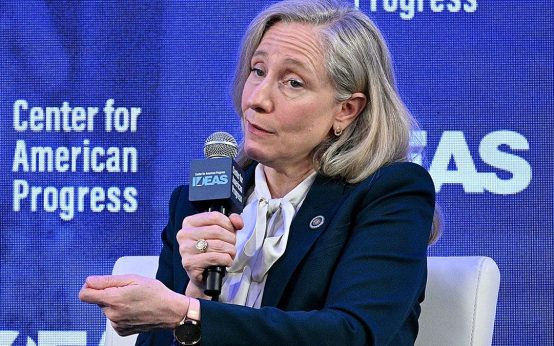 Analyzing Midterm Elections and Party Dynamics
 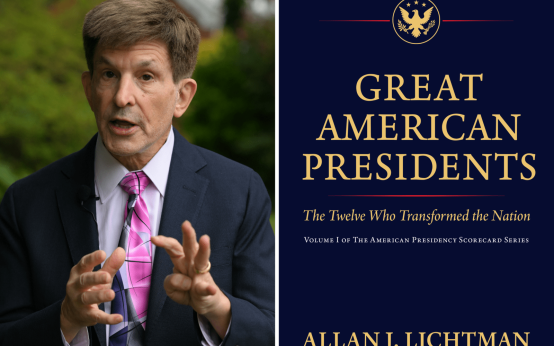 Allan Lichtman’s Framework for Assessing Presidential Greatness
 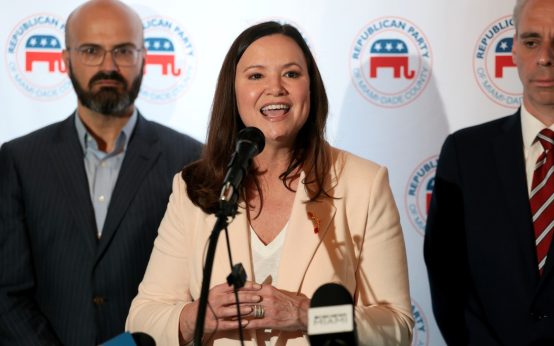 Florida Senate Race Tightens as Recent Polls Show Dead Heat
 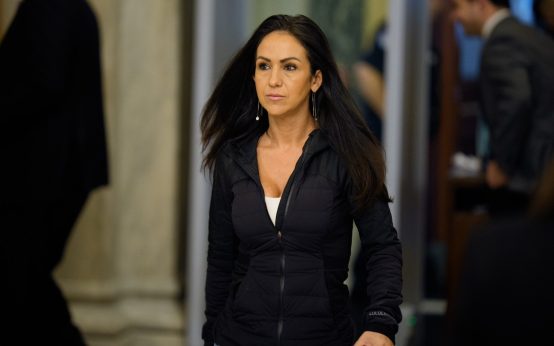 Ethics Complaint Targets Colorado Representative Lauren Boebert