Assessing Presidential Greatness
Allan Lichtman has introduced a new 10-point framework aimed at evaluating presidential greatness. Known for his predictive model, the Keys to the White House, Lichtman made a name by accurately forecasting presidential election outcomes for decades. Despite a recent incorrect prediction regarding the 2024 election, where he foresaw Vice President Kamala Harris winning instead of President Donald Trump, Lichtman shifts focus to a new question. What truly defines a president as historically great?
From Elections to Greatness
Lichtman’s new model emphasizes consequence over popularity. He explains that the 10 keys assess how presidents met defining challenges of their times and altered the nation’s trajectory. Unlike public approval or ideological agreement, these keys prioritize the impact on the nation’s course. Lichtman cites James K. Polk and Dwight Eisenhower to illustrate. Polk’s expansion of continental America trumps Eisenhower in this model, reflecting its emphasis on consequence rather than esteem.
The 10 Keys Explained
The 10 keys include:
- The Crisis Key
- The Transformation Key
- The Moral Vision Key
- The Hidden Hand Key
- The Stewardship Key
- The Realignment Key
- The Institution Builder Key
- The Narrative Key
- The Diplomatic Pivot Key
- The Adaptability Key
Transformative leadership is crucial but insufficient alone. Candidates must fit within American democratic traditions. Lichtman excludes Richard Nixon and Donald Trump despite their influence. He uses the Stewardship Key to assess if presidents expanded executive power responsibly.
Evaluating Failures
The framework considers both achievements and failures. For instance, Lyndon B. Johnson’s Vietnam War legacy is weighed against significant domestic reforms. Lichtman notes that the framework encourages debate, acknowledging that historians might interpret the keys differently. It is a guide rather than a strict algorithm, aiming to refocus disagreements on historical facts.
The Absence of Modern Presidents
Lichtman’s findings suggest no president after Ronald Reagan ranks as great. He says historical distance hinders accurate assessments. Increased partisan polarization, accelerated after 1994, complicates broad consensus. Additionally, modern presidents face complex global and domestic challenges that often prohibit transformative leadership.
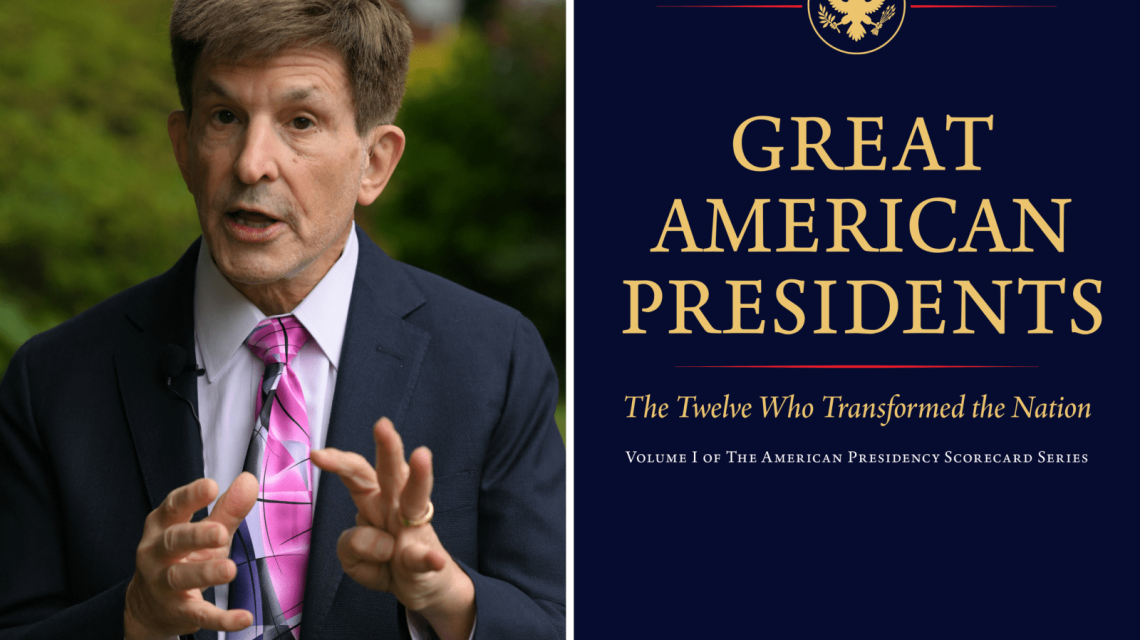
The book, Great American Presidents: The Twelve Who Transformed the Nation, argues these keys are more than a ranking tool. They reflect shifts in American leadership and highlight today’s challenges in making a lasting presidential impact. The book is slated for release on September 22, 2026.
 Florida Senate Race Tightens as Recent Polls Show Dead Heat
  Ethics Complaint Targets Colorado Representative Lauren Boebert
  Ken Paxton’s Campaign Funding and Polls
  Inside the Secret Deals Powering the President’s Push to Deport Migrants to Countries Not Their Own
  Independence of Research from Political Agendas
  Sen. Roger Marshall Denies Allegations of Political Attack