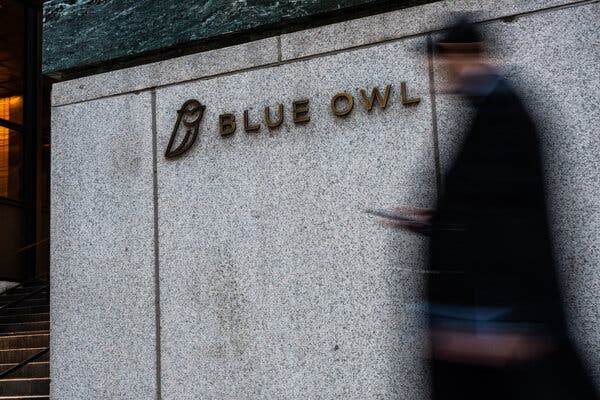
Asset managers such as Blue Owl offer private credit to companies traditional banks often avoid. Over the past decade, the private credit sector appeared to be an innovative approach to lending. Major asset managers like Blackstone and Apollo, alongside emerging firms like Blue Owl, gathered extensive funds, reaching up to a trillion dollars, to provide loans to companies. They claimed these firms posed reasonable risks and promised high returns for investors.
Yet, concerns have arisen in recent times. Several industry insiders and analysts express that the sector’s rapid expansion might have been too ambitious. Loans extended to businesses, particularly those related to software, are raising fears of defaults. Investors, sensing unease, worry about the increasing likelihood of rising default rates. To tackle potential liquidity issues, major private credit firms have restricted cash withdrawals for investors.
Recently, Blue Owl imposed further limits on its largest publicly traded funds. Some investors requested to withdraw 38% of their investments from one particular fund. These restrictions underline the growing apprehensions over the industry’s current state and the sustainability of its lending practices.
Private credit represents a modern iteration of high-interest-rate lending, which was originally known as “junk bonds” in the 1980s. The strategy later evolved into “distressed” or “special situations” investing. While initially promising, the industry’s stability is now under scrutiny.