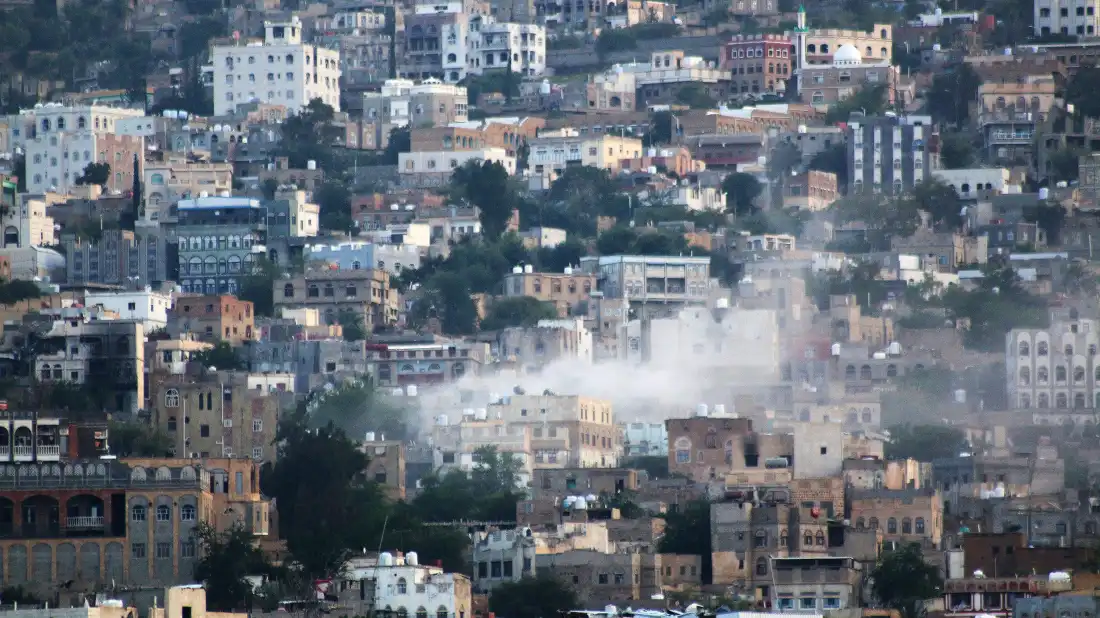
Drinking water has been scarce in Taiz, Yemen’s third-largest city, for over a decade. Recently, the situation has worsened due to Houthi rebels besieging the city amidst their conflict with government forces. Humanitarian groups report that over one million residents face limited access to essential resources, with restricted entry to wells, fuel shortages at desalination plants, and water delivery disruptions.
Families like Hadil al-Shahid’s are significantly affected. Before the siege, her family used approximately 10 liters of bottled water daily for drinking and cooking. Now, they stretch the same quantity over four days. Coffee and tea, once daily staples, are no longer consumed. Bottled water prices have surged by up to 75%, forcing some to buy water on credit.
The siege impacts more than just water supplies. Food shortages have driven up grocery prices, and fuel scarcity is affecting hospitals and sanitation services, increasing public health risks. Amnesty International urges the Houthis to open roads into the city to prevent a severe humanitarian disaster.
Water and Supply Woes in Taiz
Yemen’s civil war erupted in 2014 when Houthis seized the north, including the capital, Sanaa, displacing the internationally recognized government. Taiz became a focal point of ongoing conflict. Damages to its water infrastructure, compounded by population growth and frequent droughts, worsened the groundwater depletion. Residents turned to water trucks for a mostly reliable supply, now hindered by the siege.
Since August, Yemen’s escalation has intensified. Houthis captured Mokha, 130 kilometers from Taiz, critical for controlling Red Sea shipping routes. This advance has isolated Taiz from surrounding wells and reduced external water deliveries. Water truck operators, facing increased risks, have tripled their prices in some cases.
Fuel shortages exacerbate the crisis, causing water utilities to struggle and desalination plants to operate below capacity. Reduced fuel availability affects food scarcity and the functionality of community kitchens, leading to increased use of alternative cooking methods like burning wood or cardboard.
Rising Costs and Health Risks
By displacing approximately 124,000 people into Taiz province, the siege intensifies pressure on limited resources. Many displaced families survive on minimal daily meals in makeshift shelters, notes Jens Laerke from the UN’s emergency aid division. The cost of cooking gas has quadrupled, with families resorting to open fires for cooking, hindering waste disposal services and boosting health risks.
Contaminated water sources elevate the risk of disease, including cholera. The spike in food costs is significant, with staples like flour and rice increasing by about 50%. Fruits and vegetables have become scarce.
Individuals like Ahmed Abdel Gaber, once a construction hauler, now struggle without stable income, depending on assistance for food. Hair salon owner al-Shahid also finds her income depleted, as food and water take priority for her clients. Her children primarily consume rice, bread, and cheese.
The Strategic Importance of Taiz
The government retains control of central Taiz, yet delivering supplies proves difficult. Fierce resistance from the Houthis tests government forces, notably in the city’s east. Analysts suggest the Houthis aim to control Taiz to advance south toward Aden and Lahj, but foresee significant military challenges.
Houthi officials, insisting on anonymity, claim control over 80% of Taiz’s surrounding countryside and select city neighborhoods. The Associated Press cannot independently verify these claims. Nonetheless, Yemen’s foreign minister, Afrah al-Zouba, acknowledges the rebels’ increasing influence.
The city’s sizeable civilian population complicates the Houthis’ efforts. Recent missile strikes resulted in civilian casualties, underlining ongoing dangers. Abdel Gaber frequently hears explosions nearby, affecting his family’s decision to remain displaced.
For al-Shahid, leaving Taiz is financially prohibitive, solidifying their stay despite potential life-threatening circumstances. “Staying in our home is inevitable,” she states.
 Fire at Hitler’s Mountain Retreat Leads to Arrest in Germany
 Paris Museums Close Amid Nationwide Protests in France
 Tan Mom’s Encounter with ICE Agents Stirs Controversy
 Iran Increases Threats Against U.S. Personnel Abroad
 Rising Tensions in France: Protests Highlight Migration Debate
 Veteran Anchor Christiane Amanpour Announces Departure from CNN