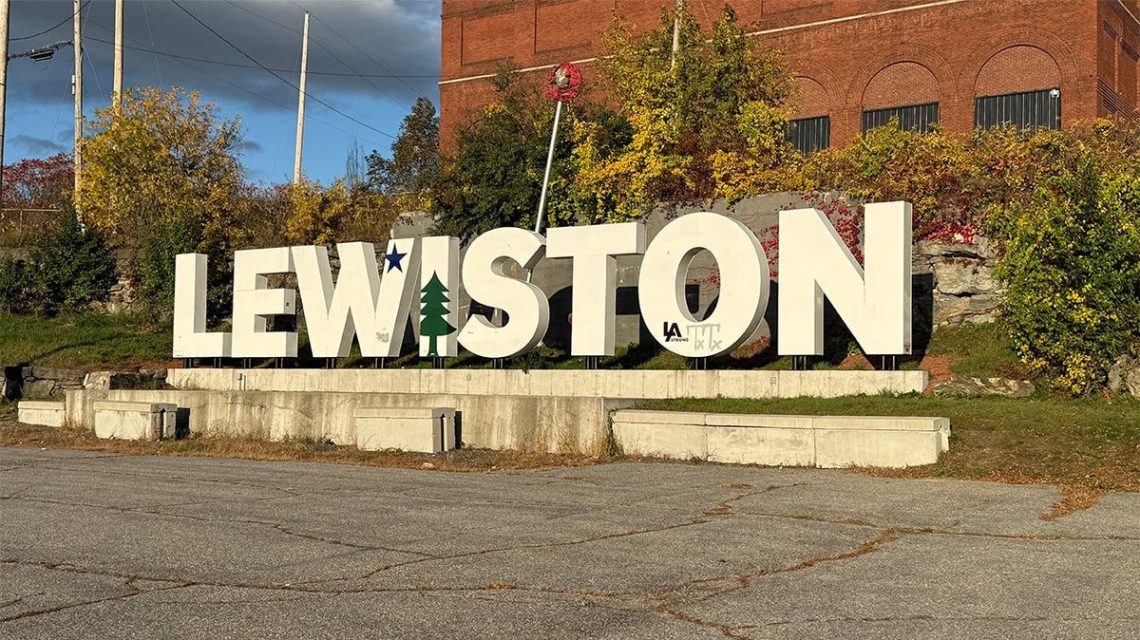
In Lewiston, Maine, community dynamics are shifting as the city deals with a rise in youth gun violence. This year, police have recorded 35 gun-related incidents, 22 involving young people. Mohamed Muhumed, a local teenager, expressed his fear: “I don’t feel safe. I fear for my life. I saw someone get punched in the middle of the sidewalk over there. It’s crazy.” With a growing population of refugees from Somalia and other African countries, the city now faces what Police Chief Carly Conley calls a major public safety challenge.
Jon Fetherston, a reporter from The Maine Wire, highlighted the troubling nature of the gun violence. The majority of these incidents involve teenagers. Despite frequent arrests, many young offenders are swiftly released, contributing to community frustration. “Residents are scared,” Fetherston noted. “You’ve got kids shooting kids, and it’s almost become commonplace here in Lewiston.”
In response, the city has allocated $200,000 for additional police overtime to enhance patrols. Officials are also advocating for changes in juvenile justice, focusing on repeat offenders and pre-release evaluations. Mayor Carl Sheline emphasized parental involvement in curbing youth violence, stating, “The increased resources are sending a strong message to those perpetrating gun violence: we will find you.”
Rick LaChapelle, a former city council president and current mayoral candidate, pointed to systemic issues as part of the problem. He praised the police for their efforts but criticized the lack of accountability within the system, noting repetitive arrests of the same individuals. “We need to change the rules of the system,” LaChapelle argued.
Interviewed residents, including Mohamed Adbei and Ifraax Saciid, have rejected narratives blaming specific ethnic groups. Saciid pinpointed poverty as the underlying cause of violence, suggesting it’s a wider issue affecting multiple U.S. locations. “Fraud is happening everywhere in the United States and with every skin color, with every class,” Saciid insisted, indicating that problems in Lewiston reflect larger national trends.
The arrival of Somali immigrants in Lewiston began about 25 years ago, driven by the search for safer neighborhoods and affordable housing. Larry Raymond, who was mayor in 2002, gained attention when he urged Somali leaders to manage migration due to resource pressures. Today, Lewiston has one of the highest per capita Muslim populations in the U.S., predominantly Somali and other African refugees.
While LaChapelle acknowledged his own immigrant ancestry, he stressed the importance of legal immigration and resource management, highlighting prolonged welfare dependency as a challenge. The situation calls for balanced approaches to address both current social dynamics and systemic inefficiencies.
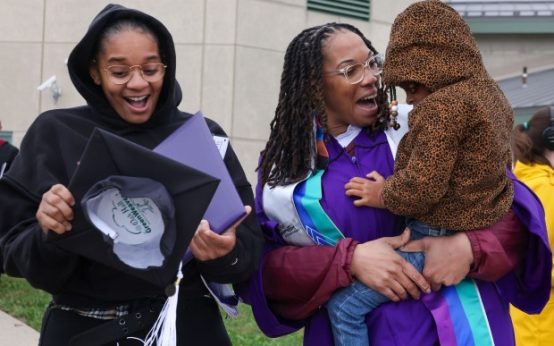 Incarcerated Women Earn Degrees from Top University
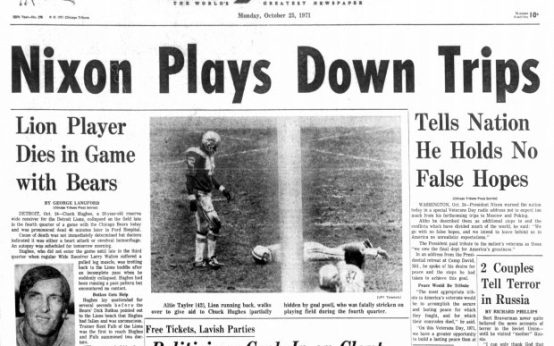 Significant Events from Chicago’s Past
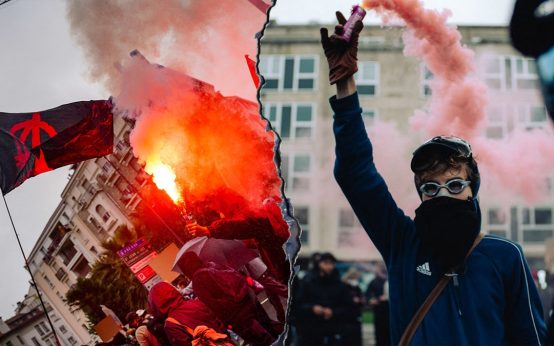 U.S. House Speaker Cautions Against Potential Unrest in the U.S.
 U.S. Navy Expands AI Inspection Contract with Gecko Robotics
 LSU Student and Fiancé Killed by Alleged Impaired Driver
 Controversy Over Tree Removal at East Potomac Golf Links