
A Misunderstood Term
In both America and Europe, the term “Zionism” has become a slogan used in protests by opposing groups. Some see it as a term of pride, while others associate it with criticism of Israel and its supporters. This dual use has led to confusion about the true meaning of Zionism.
Originally, Zionism signifies the belief in the Jewish people’s right to live freely in their ancestral homeland. It is about shaping their future, defending their dignity, and contributing their values to humanity. The idea is for the Jewish homeland to be a thriving society for everyone living there, whether Jewish or not, and to reflect the core values of human dignity, justice, and compassion.
Historical Roots
The concept of Zionism predates the modern state of Israel by decades and has roots that trace back centuries. In the Book of Genesis, God promises Abraham and his descendants a land to bless “all the families of the earth.” This promise sustained the Israelites during their years of bondage in Egypt and inspired their return to their ancestors’ birthplace.
A Longing for Return
Throughout history, events such as the Jewish expulsions during the Babylonian and Roman eras led to a collective mourning. Jewish liturgy reflects this mourning, with prayers for the land offered three times daily. In blessings after meals, there is gratitude expressed for the “precious, good and spacious” land given as a heritage.
The Rise of Modern Zionism
Jewish longing for their homeland translated into sustained presence despite foreign rulership, with a notable increase in Jewish communities by the 19th century. This period marked the beginning of the modern Zionist vision.
Theodor Herzl, in his 1896 text “Der Judenstaat,” imagined a Jewish state as a benefit to humanity. He believed that actions taken for the Jewish people would also positively impact humankind.
 Exploring the Lucas Museum of Narrative Art
  Converse Apologizes and Withdraws Controversial Ad Amid Criticism
  Lucas Museum of Narrative Art Unveils in Los Angeles
 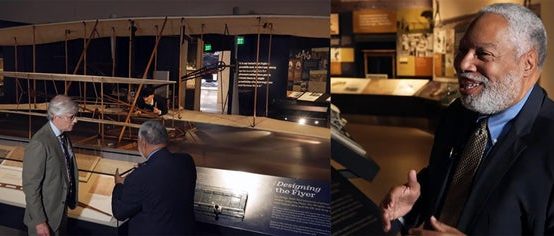 Lonnie G. Bunch III Reflects on His Legacy at the Smithsonian
  A Decade of Impact at the National Museum of African American History and Culture
 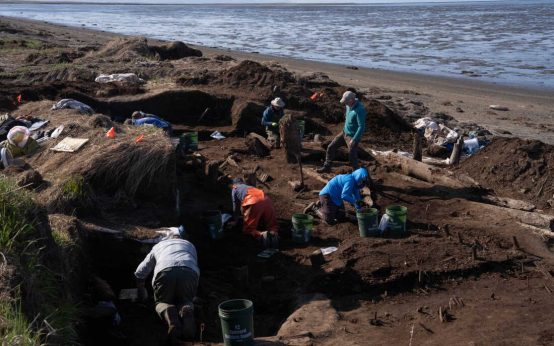 Urgent Archaeological Efforts in Quinhagak Stay Ahead of Erosion